Category: Living Life

Unleash your potential with transformative tips and strategies that will elevate every facet of your life. From boosting your fitness and enhancing your health to revamping your home, mastering your finances, and embracing your beauty — the possibilities are limitless! Get ready to embark on an exhilarating journey and start living your best life today!

  • Guys Prom Hairstyles: The Ultimate Guide to Looking Sharp on Prom Night

    Guys Prom Hairstyles: The Ultimate Guide to Looking Sharp on Prom Night

    young man wearing a purple tux on prom with text thats says Guys Prom Hairstyles: The Ultimate Guide to Looking Sharp on Prom Night

    Prom night is one of those magical moments that you’ll remember for the rest of your life. It’s a night where you get to celebrate with friends, show off your style, and make a lasting impression.

    And one of the most important elements of your prom look? Your hairstyle. Whether you’re going for a sleek, polished look or a carefree, tousled style, the right guys prom hairstyle can elevate your entire ensemble. So, let’s dive into the world of prom hair and explore the best ways to rock your look on the big night.

    Classic Guys Prom Hairstyles: Timeless Looks that Never Go Out of Style

    When it comes to guys prom hairstyles, the classics are always a safe bet. They’re like that trusted pair of shoes that never go out of style, no matter how much time passes. Think of these styles as the foundation of prom hair—solid, reliable, and stylish.

    The Pompadour: Think of the pompadour like the crown jewel of prom hairstyles for guys. It’s bold, sleek, and makes a statement without saying a word. This hairstyle features volume at the front, with the hair styled back to create a smooth, polished finish.

    It’s perfect for guys who want to channel a bit of retro charm while looking modern at the same time.

    The Slicked-Back Look: This one’s like the James Bond of guys prom hairstyles. It’s effortlessly cool, smooth, and sharp.

    To pull off this look, simply apply some gel or pomade to your hair, comb it back, and let it sit. This hairstyle works best for guys with straight hair and will have you looking like you just stepped out of a movie.

    The Side Part: A side part is a classic, versatile style that works for almost any hair type. It’s like the bread-and-butter of guys prom hairstyles—simple, yet undeniably effective.

    Whether your hair is short or medium-length, a deep side part gives you a sophisticated and polished vibe, with just the right amount of structure.

      Modern Twist on Guys Prom Hairstyles: Trendy Styles for the Bold and Daring

      If you want to make a statement and stand out from the crowd, modern guys prom hairstyles are your ticket to looking sharp and stylish. These looks take traditional hairstyles and add a contemporary flair, making them perfect for guys who aren’t afraid to take a few risks.

      The Undercut: Picture this: your hair on top is styled high and bold, while the sides are clipped short. It’s the contrast that gives the undercut its striking, edgy appeal.

      The undercut is one of the hottest guys prom hairstyles right now, and for good reason. It’s versatile enough to work with a variety of hair types, and it pairs well with everything from a casual look to a more formal ensemble. You can go for a more polished undercut or a messy, textured one, depending on your vibe.

      The Textured Crop: If you’re someone who loves a bit of texture, this style is perfect for you. Think of the textured crop as a messy, cool breeze on a hot summer day. It’s a look that gives off effortless charm, with choppy layers and a tousled, “just rolled out of bed” vibe.

      To style it, use some light styling cream or matte pomade to create that fresh, lived-in look. This is one of the best guys prom hairstyles for those with shorter hair who want to keep things low-maintenance but still stylish.

      The Fade: Fades are one of those guys prom hairstyles that keep evolving, but they’re always on point. Whether you’re rocking a low fade, mid fade, or high fade, this hairstyle gives you a clean, sharp look with a bit of edge.

      A fade works well with most hair types and can be combined with other styles, like a pompadour or a quiff, to create a seamless blend of sharpness and texture.

        Guys Prom Hairstyles for Curly Hair: Embrace Your Natural Texture

        Not all guys have straight or wavy hair, and that’s totally okay! If you’ve got curly hair, there are still tons of prom hairstyle options to help you look your best. Think of your curls as the crown on your head—unique, bold, and undeniably attractive.

        Curly Top with Fade: For guys with curly hair, rocking a curly top with a fade is a great way to show off your natural texture. It’s all about giving your curls that extra definition and a polished look.

        The fade on the sides will help keep things neat, while the curls on top add personality and flair. Just use some curl cream or styling gel to keep those curls in place, and you’ll be good to go.

        The Tapered Curls: The tapered curls hairstyle is perfect for guys who want to embrace their natural curls while keeping things neat and polished. It’s like having the best of both worlds—structure with a little touch of wildness.

        The hair on the sides is tapered to gradually shorten as it reaches your neckline, while the curls on top remain full and voluminous. This style is ideal for guys who want a low-maintenance yet fashionable prom look.

          The Messy Yet Stylish Look: Effortless Prom Hair Ideas for Guys

          Sometimes, you don’t want to spend hours in front of the mirror perfecting your look. If you’re the type who likes to keep things low-key but still stylish, messy prom hairstyles for guys are the way to go.

          The Quiff: The quiff is like the cool, laid-back older sibling of the pompadour. It’s a relaxed but still put-together style that’s perfect for guys who want a little volume without looking too formal.

          Simply lift the front section of your hair and comb it back, creating height while leaving the rest of your hair a bit more relaxed. It’s the ultimate balance of style and ease.

          The Tousled Look: For a super relaxed, care-free vibe, the tousled look is your go-to. Think of it like the wind gently tousling your hair as you walk. It’s perfect for guys with medium to long hair, and it works well for both formal and semi-formal prom settings.

          Just use a bit of texturizing spray or salt spray to enhance the natural waves in your hair, and let it air dry. This will give you that effortlessly chic look without breaking a sweat.

            How to Maintain Your Guys Prom Hairstyle

            Now that you’ve picked out the perfect guys prom hairstyle, it’s time to make sure it stays intact all night long. Here are a few tips to help you maintain your style:

            Use the Right Products: Invest in a good-quality pomade, gel, or styling cream that suits your hair type. You want something that will hold your style in place without making your hair feel stiff or greasy.

            Don’t Overdo It with Product: Less is more when it comes to prom hairstyles for guys. You don’t want your hair to look weighed down with too much product. A little goes a long way.

            Set It with Hairspray: If you want your hairstyle to last all night long, finish it off with a light mist of hairspray. It will give your hair the hold it needs without leaving it crunchy or stiff.

              Conclusion: Guys Prom Hairstyles that Make a Statement

              Prom is your time to shine, and the right hairstyle can make all the difference. Whether you go for a classic look like the slicked-back style or something a bit more modern like the undercut, there’s a perfect guys prom hairstyle for every guy.

              Remember, the best style is the one that makes you feel confident and comfortable. So, don’t be afraid to experiment, and have fun with it!

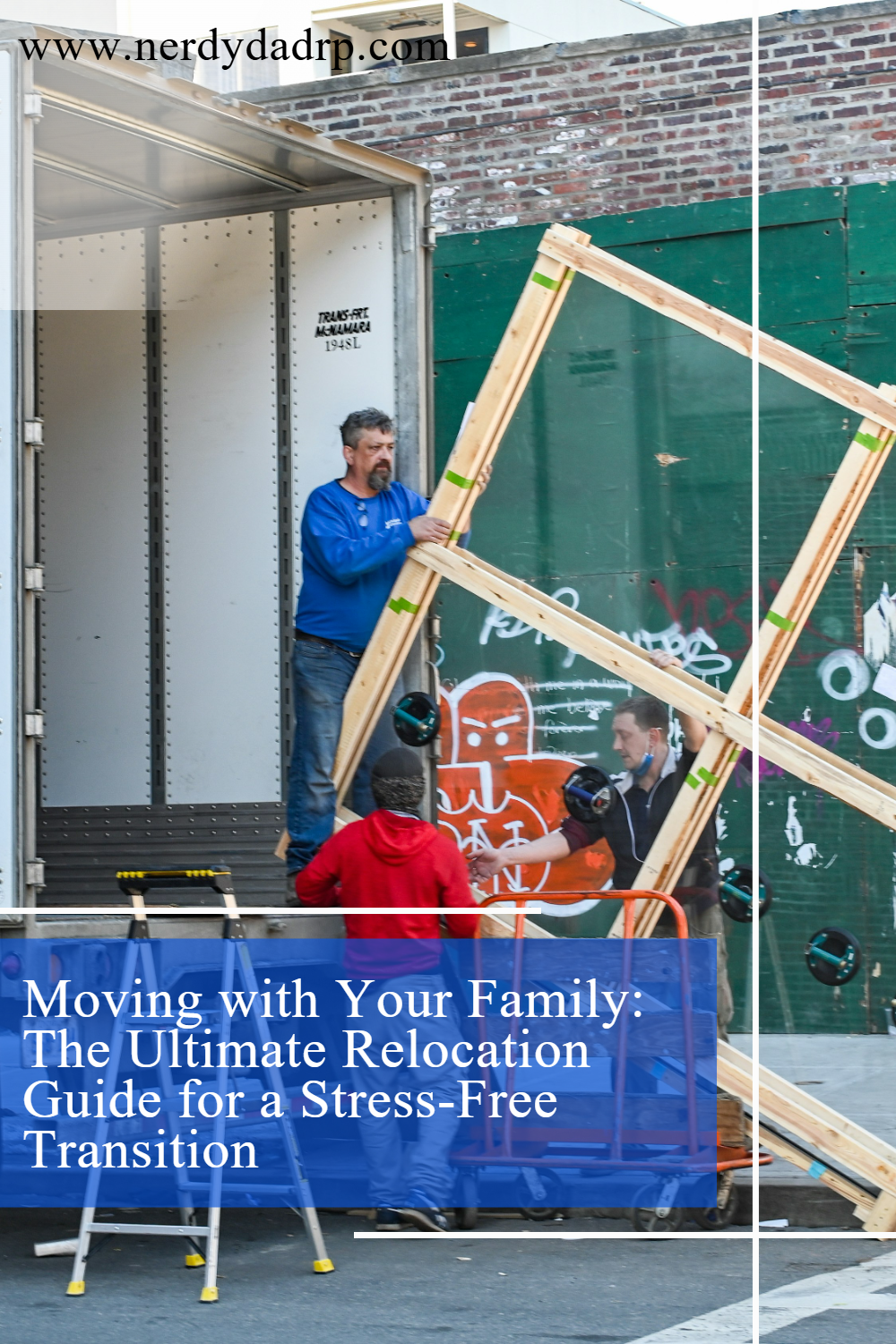
            1. Moving with Your Family: The Ultimate Relocation Guide for a Stress-Free Transition

              Moving with Your Family: The Ultimate Relocation Guide for a Stress-Free Transition

              men putting a large window in a moving truck with text that says Moving with Your Family: The Ultimate Relocation Guide for a Stress-Free Transition

              Moving with your family is like setting off on a grand adventure—exciting, a little nerve-wracking, and full of possibilities.

              Whether you’re relocating for a new job, better schools, or just a fresh start, careful planning and a sprinkle of optimism can turn what feels like a mountain of tasks into a manageable (and even enjoyable!) journey. This guide will walk you through every step, from preparation to settling into your new home, so your family’s transition is as smooth as possible.

              How to Plan and Prepare for a Family Move

              A successful move starts long before the first box is packed. Think of this stage as drawing the blueprint for your new life—every detail matters!

              Choosing the Best Location for Your Family

              Selecting the right place to call home is like picking the perfect puzzle piece to fit your family’s lifestyle. Research different areas based on cost of living, job opportunities, school ratings, healthcare facilities, safety, and overall vibe.

              If possible, take a trip to your prospective new home base to get a real feel for the neighborhood—stroll the streets, visit the local parks, and chat with potential neighbors.

              Smart Budgeting for Your Family Move

              Moving isn’t just about packing boxes—it’s a financial undertaking.

              Make a budget that includes moving services, travel expenses, security deposits, and any unexpected costs (because there will always be a few!). Having a financial plan in place will prevent last-minute stress and ensure your bank account doesn’t take an unnecessary hit.

              Finding the Perfect Home for Your Family

              Your home is your family’s anchor, so finding the right one is crucial. Consider proximity to work, schools, grocery stores, and hospitals.

              If renting, research the market and negotiate lease terms that suit your needs. If buying, work with a real estate agent who understands your priorities.

              Hiring the Best Moving Company for a Hassle-Free Relocation

              While moving yourself can seem like a money-saver, hiring professional movers is often worth the investment.

              A great moving company is like a well-oiled machine—they know how to transport your belongings safely and efficiently. Get multiple quotes, read reviews, and confirm their insurance coverage before signing any contracts.

              How to Prepare Your Family for a Move

              Relocating isn’t just about logistics; it’s an emotional shift, too. A smooth transition starts with clear communication and involvement from every family member.

              Talking to Your Kids About Moving

              The unknown can be scary—especially for kids.

              Have an open conversation with them about the move, addressing their concerns and highlighting the exciting parts, like a bigger backyard, new friends, or an awesome playground nearby.

              Making Moving Fun for Kids

              Kids love to feel included, so give them a role in the process.

              Let them help pack their own boxes, pick out decorations for their new room, or research fun places near their future home. Turning this into a team effort makes it less daunting for everyone.

              Saying Goodbye to Friends and Familiar Places

              Leaving behind familiar places and faces can be tough, so set aside time for proper goodbyes.

              Arrange playdates or farewell parties for the kids and encourage them to exchange contact info with friends. A few reassuring reminders that they can still stay in touch will help ease the transition.

              Essential Moving Day Tips for Families

              When moving day arrives, it’s all about strategy. Think of it as a game plan—you want efficiency, organization, and a good dose of patience.


              Infographic provided by Move Central, a top moving company in San Diego

              Smart Packing Tips for an Organized Move

              Labeling is your best friend! Clearly mark all boxes and keep an “essentials” bag handy with items like medications, important documents, chargers, and basic toiletries.

              Trust us—digging through a dozen boxes for your toothbrush at midnight is no fun.

              Keeping Important Documents Safe During a Move

              Passports, birth certificates, medical records, and financial paperwork should always travel with you, not on the moving truck. Losing these can cause unnecessary headaches down the road.

              How to Handle Moving Day Challenges

              No matter how well you plan, unexpected hiccups may arise—delays, misplaced items, or a sudden thunderstorm during loading. Stay patient and adaptable; problem-solving on the fly is part of the journey!

              How to Settle into Your New Home Quickly

              Now that you’ve arrived, it’s time to turn a house into a home.

              Unpacking and Organizing Your New Home

              Start with the essentials—kitchenware, bedding, and everyday clothing.

              Set up each room gradually, and don’t be afraid to decorate right away. Familiar family photos and cozy touches will make the space feel like yours in no time.

              Exploring Your New Neighborhood and Meeting Neighbors

              Take family walks, visit local shops, and introduce yourselves to the neighbors. Finding your go-to grocery store, favorite coffee shop and nearby playground will help you feel more connected to your new community.

              Enrolling Kids in School and Setting Up Utilities

              If you have school-age children, getting them enrolled quickly is a top priority. Also, ensure your utilities, internet, and healthcare providers are set up as soon as possible. The sooner everything is in place, the easier the transition.

              Helping Your Family Adjust After a Move

              Even after the boxes are unpacked, settling in takes time. Don’t stress if it is taking longer than you think it should. Just keep working at it. We moved over 6 months ago and still aren’t what I’d considered settled.

              Here’s how to ease into your new life:

              Maintaining Routines for a Smooth Transition

              Keeping familiar routines—whether it’s bedtime, mealtime, or weekend family movie night—can provide a comforting sense of normalcy for everyone.

              Helping Your Kids Make New Friends

              Help your kids make new friends by enrolling them in activities or sports. Attend local events, introduce yourself to neighbors, and explore community groups to build connections.

              Providing Emotional Support During a Move

              Change is hard, and it’s normal for family members to have mixed emotions. Be patient, check in with each other regularly, and celebrate the little wins—like finding the best pizza place in town!

              Conclusion: Enjoy the Journey of Moving with Your Family

              Moving with your family is a big transition, but with careful planning, open communication, and a positive mindset, it can be an exciting and rewarding experience.

              By tackling each step—from selecting the right location to helping your family adjust—you’ll turn this move into a fresh start full of new opportunities. So take a deep breath, embrace the adventure, and get ready to create new memories in your new home!

            2. The Mind-Body Connection: How Your Thoughts Shape Your Health

              The Mind-Body Connection: How Your Thoughts Shape Your Health

              a man raising his hands up in the air at a sunset with text that says The Mind-Body Connection: How Your Thoughts Shape Your Health

              The connection between the mind and body is like a dynamic dance—one constantly influencing the other in an intricate, ever-changing rhythm.

              For centuries, scholars, medical experts, and researchers have studied how mental and physical well-being intertwine. Today, thanks to scientific advancements, we’re learning just how powerful our thoughts, emotions, and psychological states are in shaping our physical health.

              How the Mind-Body Connection Affects Your Health

              Imagine your body as a finely tuned orchestra and your brain as the conductor. When the conductor is calm and composed, the music flows beautifully, each section harmonizing perfectly. But if the conductor becomes erratic, missing cues and speeding up the tempo, the entire performance suffers. This is how the autonomic nervous system (ANS) functions—it regulates vital involuntary functions like heart rate, digestion, and breathing, maintaining balance in our bodies.

              When stress enters the equation, the body releases cortisol, a hormone meant to help us handle short bursts of pressure—like outrunning a saber-toothed tiger back in the day. But in our modern world, stress often lingers, and elevated cortisol levels over long periods can wreak havoc. It’s linked to high blood pressure, weakened immunity, digestive issues, and even heart disease.

              On the flip side, emotions like joy, gratitude, and relaxation act like a soothing melody, calming the nervous system, reducing inflammation, and strengthening the immune response. In essence, what we think and feel has a direct line to our body’s internal symphony.

              The Impact of Mental Well-Being on Physical Health

              Our mental well-being isn’t just a passive player in physical health—it’s a driving force. For instance, depression isn’t just a mental struggle; it often manifests physically in ways such as chronic headaches, digestive issues, and persistent fatigue. Anxiety, like an overactive alarm system, can lead to muscle tension, sleep disturbances, and even cardiovascular problems.

              But here’s the good news: just as negative emotions can weigh the body down (something I can definitely feel at times), positive mental habits can elevate it. Techniques like meditation, mindfulness, and cognitive behavioral therapy act as tuning forks, bringing the body and mind back into harmony. Studies have shown that practicing mindfulness not only reduces stress but also lowers blood pressure and strengthens the immune system.

              Exercise, in particular, is a superstar in the mind-body connection. Have you ever gone for a brisk walk and felt an instant mood boost? That’s thanks to endorphins—nature’s built-in feel-good chemicals. Whether it’s a high-energy aerobic workout, a calming yoga session, or a meditative tai chi flow, movement clears mental fog, alleviates stress, and enhances overall emotional resilience. In fact, many healthcare professionals now prescribe exercise as part of mental health treatment plans.

              How Technology is Transforming Mind-Body Healthcare


              With our deepening understanding of the mind-body link, technology has stepped in as a bridge between the two. Think of digital health tools like an EHR platform as a translator, helping doctors see the full picture of a patient’s well-being. These platforms integrate psychological and physical health data, allowing medical professionals to identify patterns and tailor treatment plans that address both mental and physical health concerns.

              For example, a patient experiencing frequent migraines might also show signs of chronic stress or anxiety. With integrated health records, doctors can recognize this connection and recommend both medical and psychological interventions—perhaps a combination of medication, stress management techniques, and lifestyle adjustments. This holistic approach ensures no piece of the puzzle is overlooked.

              Embracing a Holistic Approach to Health and Wellness

              Gone are the days when physical and mental health were treated as separate entities, like distant relatives who barely speak. Today, integrative medicine acknowledges that they are deeply connected, influencing one another in countless ways.

              Alternative practices such as acupuncture, meditation, chiropractic care, and nutritional adjustments have gained popularity for their ability to support both mental and physical health simultaneously.

              Take the placebo effect, for example. It’s a fascinating phenomenon where simply believing a treatment will work can trigger real physiological improvements. This isn’t just wishful thinking—it’s proof that the mind holds a significant influence over bodily functions. The more we recognize and nurture this connection, the greater control we have over our overall well-being.

              Final Thoughts on Strengthening the Mind-Body Connection

              The bond between mind and body is undeniable and incredibly powerful. When we acknowledge this connection and actively care for both our mental and physical health, we open the door to a healthier, more vibrant life.

              Whether through therapy, exercise, mindfulness, or cutting-edge technology like EHR platforms, embracing a holistic approach is key to maintaining balance and well-being.

              So, the next time you find yourself overwhelmed with stress or battling negative thoughts, remember—you have the power to shift the symphony. A deep breath, a moment of gratitude, or a mindful movement might be all it takes to bring harmony back into your body and mind.

            3. How to Take Care of Your Feet: Simple Tips for Everyday Comfort

              How to Take Care of Your Feet: Simple Tips for Everyday Comfort

              bare feet on a couch with text that says How to Take Care of Your Feet: Simple Tips for Everyday Comfort

              Our feet work tirelessly every day, carrying us from place to place like loyal companions on life’s journey. Despite their dedication, they often get the short end of the stick when it comes to self-care. Think about it—when was the last time you gave your feet the attention they truly deserve?

              Taking proper care of your feet isn’t just about comfort; it’s about preventing pain, discomfort, and pesky problems like calluses, bunions, and fungal infections. Whether you’re constantly on the move or spend most of your day sitting, keeping your feet in top shape is essential for your overall well-being.

              1. Wear the Right Shoes

              The shoes you wear can either be your feet’s best friends or their worst enemies. Ill-fitting shoes are like tiny torture chambers, causing blisters, corns, and even long-term conditions like plantar fasciitis (trust me, it’s not enjoyable when it flares up). When choosing footwear, look for options that offer solid arch support, cushioning, and a comfortable fit—your feet will thank you!

              If you spend a lot of time standing, opt for shoes designed with extra support to reduce foot fatigue. Clogs & shoes with cushioned insoles and breathable materials can help keep your feet comfortable throughout the day. On the flip side, avoid high heels and narrow-toe shoes, as they place excessive pressure on certain areas and can lead to long-term foot problems.

              2. Keep Your Feet Clean and Dry

              Feet are like sponges for bacteria and fungi, so keeping them clean and dry is crucial. Wash them daily with mild soap and warm water, paying special attention to the spaces between your toes—bacteria love to hide there! Make sure to dry your feet completely after washing them before putting on socks or shoes.

              If you tend to have sweaty feet, consider using antifungal powders or sprays to prevent conditions like athlete’s foot. Moisturizing is also essential to keep your skin from becoming dry and cracked but steer clear of applying lotion between your toes to avoid trapping moisture and encouraging fungal growth.

              3. Trim Your Toenails the Right Way


              Cutting your toenails may seem straightforward, but doing it wrong can lead to painful infections or ingrown nails. Use a toenail clipper with a straight edge and cut them straight instead of rounding the edges.

              Also, avoid cutting them too short—your toenails should be a protective shield, not an invitation for discomfort. If trimming your nails feels like a daunting task, a podiatrist can help ensure they’re properly maintained.

              4. Stretch and Strengthen Your Feet

              Just like the rest of your body, your feet need exercise and stretching to stay strong and flexible. Simple movements like toe curls, heel raises, and ankle rotations can keep foot muscles engaged and prevent stiffness. If you experience frequent foot pain, stretching your Achilles tendon and plantar fascia can help ease discomfort and improve mobility.

              For those who spend long hours on their feet, rolling a tennis ball or a frozen water bottle under the soles can work wonders in relieving tension. And if you have the chance, walk barefoot on soft surfaces like grass or sand—it’s like a mini-workout for your feet!

              5. Don’t Ignore Foot Pain

              Your feet are great communicators—when they hurt, they’re trying to tell you something. Persistent foot pain should never be brushed off, as it may signal an underlying issue that needs attention. If you experience ongoing discomfort, swelling, or sharp pain, consult a podiatrist for an evaluation.

              Common foot conditions like flat feet, high arches, and bunions can often be managed with orthotics, physical therapy, or simple lifestyle modifications.

              And for individuals with diabetes, foot care is even more critical. Regular foot checks, wearing proper footwear, and routine medical visits can help prevent serious complications down the line.

              6. Give Your Feet Some TLC

              After a long day, your feet deserve a little R&R. If you’ve been on your feet for hours, take breaks to put them up and improve circulation. Putting your feet in warm Epsom salt water can provide instant relief, and a good foot massage can work wonders for relaxation and blood flow.

              Conclusion

              Your feet are the unsung heroes of your daily life, so show them the care and attention they deserve! By wearing well-fitted shoes, keeping them clean and dry, trimming your nails properly, stretching, and addressing pain early, you can ensure they stay healthy and strong for years to come. Make foot care a priority, and your feet will keep you moving comfortably every step of the way.

            4. Life After Breast Cancer: A Father’s Guide to Support, Healing, and Strength

              Life After Breast Cancer: A Father’s Guide to Support, Healing, and Strength

              cartoon image of a woman with a breast cancer pin with text that says Life After Breast Cancer: A Father’s Guide to Support, Healing, and Strength

              Breast cancer is a storm that shakes not just the person diagnosed but their entire family. While much attention is given to the patient’s experience, the role of a father—whether as a husband, partner, or caregiver—often drifts into the background. But make no mistake: dads play a crucial role in this journey.

              And when treatment ends, their job is far from over. In fact, transitioning into post-treatment life comes with its own set of challenges, requiring patience, resilience, and a whole lot of love.

              Coping with Emotional Highs and Lows After Breast Cancer Treatment

              For many dads, the end of chemotherapy, radiation, or surgery brings a sigh of relief—like finally reaching the shore after months in turbulent waters. But even as the immediate danger subsides, waves of anxiety can still crash in. Fear of recurrence is a real and lingering concern, and adjusting to a “new normal” after months (or years) of high alert isn’t as simple as flipping a switch.

              Many men struggle with expressing emotions, and when a loved one has been through something as overwhelming as breast cancer, this challenge can feel even greater. There’s often a belief that showing vulnerability might add to the family’s burden, leading dads to bottle up their feelings like a shaken soda can, ready to burst.

              But suppressing emotions only leads to stress and burnout. Seeking support—whether through therapy, support groups, or simply honest conversations—can help dads navigate this phase in a healthier way, ensuring they stay strong in a way that truly counts.

              Adjusting to New Roles and Responsibilities in Post-Treatment Life

              During treatment, many dads become the glue holding the household together—juggling cooking, childcare, medical appointments, and emotional support. It’s a balancing act worthy of a circus performer. Once treatment ends, there’s often an expectation that life will snap back to how it used to be. But the truth is, “normal” may never look the same again.

              Side effects of treatment, such as fatigue, cognitive fog (often called “chemo brain”), and emotional ups and downs, can linger for months or even years. That means dads may need to continue carrying extra weight on their shoulders while their partner heals.

              The key here is flexibility—understanding that healing is a journey, not a finish line. Keeping an open mind and adjusting expectations can make a world of difference in maintaining a healthy, supportive family dynamic.

              Rebuilding Intimacy and Strengthening Emotional Connections


              Infographic provided by Breast Cancer Car Donations, a top company for donating a car in Florida

              Breast cancer can leave its mark on a relationship, not just emotionally but physically. Surgery, hormonal changes, and the emotional toll of the disease can make intimacy feel like uncharted territory. Many dads feel unsure of how to approach this aspect of their relationship, fearing they’ll say or do the wrong thing.

              The secret? Open communication. Creating a space where both partners feel safe discussing their feelings, fears, and needs can help rebuild intimacy—one conversation at a time.

              And remember, intimacy isn’t just about physical closeness; it’s about emotional connection too. Simple gestures—holding hands, leaving a sweet note, sharing a quiet moment together—can be just as powerful in rekindling a sense of closeness.

              Prioritizing Self-Care for Caregivers: Avoiding Burnout and Fatigue

              In the race to support a loved one, many dads forget to care for themselves. Caregiver fatigue is real, and ignoring it can lead to exhaustion, frustration, and even resentment. Think of it like running a car on empty—eventually, it’s going to break down.

              Self-care isn’t selfish; it’s necessary. Whether it’s going for a run, meeting up with friends, diving into a hobby, or simply taking a deep breath and stepping away for a moment, dads need to refuel.

              And if stress starts feeling overwhelming, seeking professional support can make all the difference. After all, being strong for someone else starts with being strong for yourself.

              Finding Support: Connecting with Other Caregivers for Strength and Guidance

              Being a caregiver can be isolating. While the world focuses on the patient’s recovery, dads can feel like they’re standing in the shadows. That’s why finding a support system is crucial. Whether it’s a caregiver support group, an online forum, or a trusted friend, having someone to talk to can be a game-changer.

              Connecting with other men who have walked this path can provide reassurance and practical advice. Just knowing that they’re not alone in their struggles can lift a huge weight off their shoulders. Support is out there—it’s just a matter of reaching for it.

              Embracing the Future: Building a Fulfilling Life After Breast Cancer

              The post-treatment phase isn’t about going back to how things were—it’s about moving forward into a new chapter, one that prioritizes health, emotional well-being, and strong family bonds. For dads, this means continuing to be a pillar of support while also allowing space for their own growth and healing.

              Life after breast cancer is an ongoing journey, filled with adjustments, learning, and resilience. By fostering open communication, staying flexible, and seeking support when needed, dads can navigate this new terrain with confidence and compassion.

              Because at the end of the day, being a great dad, partner, and caregiver isn’t about knowing everything—it’s about being there, loving with your whole heart, and taking it one step at a time.

            5. Hidden Hazards: How Poor Parking Lot Design Endangers Schoolchildren

              Hidden Hazards: How Poor Parking Lot Design Endangers Schoolchildren

              close up of a school bus with text that says Hidden Hazards: How Poor Parking Lot Design Endangers Schoolchildren

              When we think about school safety, we often picture locked doors, security cameras, and playground supervision. But there’s another critical area that’s frequently overlooked—the school parking lot. It may seem like just a functional space, a place for cars to come and go, but a poorly designed parking lot is a ticking time bomb for accidents.

              Picture a beehive during peak hours, with cars, buses, and pedestrians buzzing in every direction. Without clear organization, this chaos can put students directly in harm’s way.

              Why School Parking Lot Safety Matters More Than You Think

              Every school day, children step onto school grounds, navigating the complex dance of traffic and pedestrian movement. These parking lots and drop-off zones are high-traffic intersections where buses, staff vehicles, and hurried parents converge. Without thoughtful design, they quickly become confusing mazes, increasing the likelihood of accidents.

              One of the most alarming dangers in school parking lots is the lack of proper separation between pedestrians and vehicles. In many cases, crosswalks are either poorly marked or missing entirely, forcing children to weave between moving cars like an impromptu game of Frogger.

              Kids, being kids, don’t always pay attention to their surroundings, and drivers—often distracted or in a hurry—might not see a small child darting across their path. Add blind spots and poor visibility to the mix, and you have a recipe for disaster.

              Traffic Jams and Dangerous Congestion During Peak Hours

              If you’ve ever experienced a school drop-off or pick-up, you know it’s like rush hour condensed into a 30-minute window. The influx of vehicles creates a traffic jam, with parents competing for parking spots and navigating tight spaces.

              When parking areas are unclear or inadequate, some resort to stopping in no-parking zones, blocking bus lanes, or double-parking, forcing children to cross through dangerous areas just to reach their ride.

              The frustration and impatience of drivers in these situations often lead to reckless behavior—speeding, cutting off other vehicles, ignoring crosswalks, or making sudden, erratic turns. Without properly marked lanes and clear traffic flow, the confusion escalates, turning what should be a safe passageway into a high-stakes obstacle course.

              The Lifesaving Importance of Clear Signage and Traffic Flow

              An effectively designed parking lot should act as a well-orchestrated symphony, where every element moves smoothly in harmony. Clear signage and designated pathways for vehicles and pedestrians are key to making this happen. Unfortunately, many school lots resemble a puzzle missing critical pieces, with faded or absent markings, unclear stop signs, and traffic lanes that make little sense.

              When drivers and pedestrians aren’t sure where to go, mistakes happen. Children may dart across unexpected areas, assuming they have the right of way, while drivers make split-second decisions based on guesswork. The absence of well-marked drop-off and pick-up zones only worsens the problem, increasing the risk of miscommunication and collisions.

              By establishing clearly marked lanes, dedicated pedestrian crosswalks, and enforced traffic direction rules, schools can significantly cut down on the confusion and reduce accidents. Something as simple as a few well-placed signs and painted lines can transform a chaotic lot into a safer environment.

              Poor Lighting Turns School Parking Lots into Danger Zones


              Imagine trying to navigate a crowded parking lot at dusk, with dim lighting casting long shadows. Now imagine that same lot filled with small children who can be difficult to spot in low light. Poor lighting is another major safety concern in school parking lots. Early mornings and late afternoons—when many students are arriving or leaving—are prime times for low visibility, making it even harder for drivers to see young pedestrians.

              Beyond pedestrian safety, inadequate lighting creates other security concerns. Dark areas can become hiding spots for unwanted activity, putting students and staff at risk. Installing bright, well-placed lights can solve multiple problems at once—improving visibility, deterring crime, and creating a safer, more welcoming environment.

              How Schools Can Make Parking Lots Safer for Everyone

              The good news? These problems are fixable. Schools don’t need a complete parking lot overhaul to make a meaningful difference. Even small changes can have a huge impact.

              1. Separate Pedestrians from Vehicles: Clearly marked, designated walkways for students can prevent them from walking through traffic areas.
              2. Improve Traffic Flow: Establishing one-way lanes, drop-off/pick-up zones, and no-parking areas helps keep cars moving smoothly.
              3. Enhance Signage and Markings: Freshly painted crosswalks, stop signs, and directional arrows reduce confusion and improve safety.
              4. Increase Lighting: Bright, well-distributed lighting makes it easier for drivers to see students and enhances overall security.
              5. Implement Safety Technology: Surveillance cameras, speed bumps, and vehicle sensors can help monitor and control traffic conditions.
              6. Routine Maintenance: Cracked pavement, faded markings, and broken signs should be regularly inspected and repaired.

              Even seemingly minor details—like strategically placing outdoor trash cans for sale to keep pathways clear—can contribute to a safer, more organized space.

              Final Thoughts: Prioritizing School Parking Lot Safety Saves Lives

              When it comes to protecting schoolchildren, no detail is too small to overlook. A poorly designed parking lot isn’t just an inconvenience; it’s a hazard that risks young lives. Schools can create a safer, more efficient environment for students, parents, and staff by investing in better design, clear signage, adequate lighting, and regular maintenance.

              A parking lot should never be the most dangerous part of a child’s school day. With the right improvements, we can turn these everyday spaces into secure, well-managed areas where safety takes the front seat. The question isn’t whether we can afford to make these changes—it’s whether we can afford not to.