Category: Health & Fitness

One of the best things you can do for your health is to stay active. Walking, jogging, biking, and swimming are all great exercises that can help you stay in shape. You should also make sure to eat a healthy diet. Eating plenty of fruits and vegetables is a good way to ensure that you’re getting the nutrients you need. Another important tip is to get enough sleep. Most people need around eight hours of sleep per night. Finally, it’s important to reduce stress. Stress can take a toll on your mental and physical health, so it’s important to find ways to relax and de-stress. yoga, meditation, and aromatherapy are all great ways to reduce stress.

  • The Hidden Impact: How Nightmares and Sleep Paralysis Affect Your Mental Health

    The Hidden Impact: How Nightmares and Sleep Paralysis Affect Your Mental Health

    The Hidden Impact: How Nightmares and Sleep Paralysis Affect Your Mental Health

    Sleep should be a sanctuary—a nightly reset button for your mind and body. But for many people, nighttime brings something far more unsettling. Maybe you’ve experienced it: waking up completely frozen, unable to move or call for help, with a crushing weight on your chest. Or perhaps you jolt awake from nightmares so vivid they leave you shaken for hours, their shadows lingering well into the next day.

    These aren’t just “bad dreams” or random quirks of sleep. Nightmares and sleep paralysis can take a real toll on your mental health, creating cycles of anxiety, fear, and exhaustion that extend far beyond the bedroom. The connection between disturbed sleep and emotional well-being runs deeper than most people realize.

    If you’ve been struggling with these experiences, you’re not alone—and understanding what’s happening can be the first step toward finding relief.


    What Is Sleep Paralysis?

    Imagine your mind flipping on like a light switch while your body remains completely locked in place. That’s sleep paralysis. You’re conscious, aware of your surroundings, but frozen—unable to move, unable to speak, sometimes unable to breathe properly. For anyone who’s experienced it, “terrifying” barely scratches the surface.

    Here’s what’s actually happening: Sleep paralysis occurs during the transition between sleep and wakefulness, specifically tied to REM sleep—the stage when dreams happen. Normally, your body paralyzes itself during REM as a built-in safety mechanism, preventing you from acting out your dreams. But sometimes the system glitches. Your mind wakes up while your body stays locked down, creating a disconnect that feels like being a prisoner in your own skin.

    The experience often includes:

    • Complete inability to move or speak for anywhere from several seconds to a few minutes
    • Pressure on the chest, often described as someone sitting on your ribcage
    • Hallucinations that feel disturbingly real—shadowy figures, threatening presences, or sensing someone (or something) in the room

    About 8% of people experience sleep paralysis at some point in their lives. But for people already dealing with anxiety, depression, or trauma, it happens much more often.

    The bottom line: Sleep paralysis is a temporary glitch in your brain’s wake-up sequence—not supernatural, but absolutely real and absolutely frightening.


    Nightmares vs. Bad Dreams: Understanding the Difference

    We all have bad dreams occasionally. But chronic nightmares are something else entirely—like horror movies playing on a loop inside your mind, except you can’t walk out of the theater.

    True nightmares are vivid, intensely emotional dreams that typically jolt you awake. Unlike regular dreams that fade like morning mist, nightmares leave deep impressions. You might wake up gasping, heart pounding, sheets drenched in sweat. And here’s the thing: that fear doesn’t simply evaporate with daylight. It can color your entire day, affecting your mood, your concentration, your interactions with others.

    When nightmares happen frequently—more than once a week for months—they cross into territory that genuinely disrupts your life. At that point, they’re not just annoying; they’re red flags waving in the dark, often signaling underlying stress, trauma, or mental health struggles.


    How Nightmares and Sleep Paralysis Affect Mental Health

    Tired woman peeking from under pillow and blanket, depicting insomnia or mental fatigue

    Here’s where things get complicated, and why these experiences matter more than you might think. The relationship between sleep disturbances and mental health isn’t one-directional—it’s more like two mirrors reflecting darkness back and forth, amplifying the shadows with each pass.

    When Fear Becomes Chronic

    Both sleep paralysis and nightmares trigger intense fear that lingers like aftershocks following an earthquake. You might find yourself dreading bedtime, circling your bedroom like it’s guarded by invisible monsters. Some people develop what could be called sleep anxiety—a genuine fear of falling asleep because they don’t know what’s waiting for them.

    Think about that for a moment. Sleep, the most basic human need, becomes a source of apprehension. And when you start avoiding sleep or lying awake in dread, you’re setting yourself up for exhaustion, which ironically makes the problem worse.

    People who experience recurring sleep paralysis often find themselves constantly on edge, even during the day. That level of helplessness and terror teaches your brain to expect danger, even in situations that should feel safe.

    The Sleep-Mood Connection

    Here’s something most people don’t realize: interrupted sleep doesn’t just make you tired—it fundamentally changes how your brain regulates emotions. It’s like trying to drive a car with faulty steering; every turn becomes unpredictable.

    Most people dealing with depression also struggle with sleep problems. That’s not coincidental. When nightmares and sleep paralysis repeatedly rob you of restful sleep, they’re pulling the rug out from under any attempt at emotional stability. You wake up already depleted, facing the day without the mental resources you need.

    And depression itself increases nightmare frequency, creating a cycle that tightens its grip night after night.

    Trauma’s Long Shadow

    For people who’ve experienced trauma, sleep can become a minefield. Traumatic nightmares are one of the hallmark signs of PTSD—like recordings of the worst moments playing without permission, often with painful clarity.

    Sleep paralysis follows a similar pattern. People dealing with trauma experience it far more often than others. It’s as if trauma leaves the door between waking and sleeping permanently ajar, making the boundaries between safety and danger feel unstable even in sleep.

    That Crushing Sense of Helplessness

    Perhaps the most insidious aspect of sleep paralysis is the profound helplessness it creates. Imagine shouting for help but no sound escaping your lips. Imagine seeing a threatening figure in your room and being completely unable to defend yourself or flee. Your thinking mind knows you’re safe, but your emotional brain is screaming danger.

    Over time, these experiences can leave people feeling vulnerable even in broad daylight. That sense of “I couldn’t protect myself when it mattered” can fuel depression and pervasive anxiety that extends far beyond sleep.


    Why Sleep Paralysis and Nightmares Occur

    Understanding the mechanics can help strip away some of the fear. What feels supernatural or mysterious usually has straightforward explanations.

    Your Brain During REM Sleep

    Both sleep paralysis and nightmares are rooted in REM sleep, when your brain is incredibly active but your body is naturally paralyzed. During sleep paralysis, that paralysis simply doesn’t disengage when you wake up—like a security system that doesn’t unlock when you turn the key.

    For nightmares, the culprit is often your amygdala—the brain’s alarm system for processing fear and threat. When it’s hyperactive, it turns your dreams into frightening narratives with the volume turned up to maximum. This happens more often when you’re stressed, anxious, or dealing with unprocessed emotions.

    Stress: The Common Thread

    Stress acts like static interference disrupting a radio signal. When your body is under chronic stress, your sleep becomes unstable. REM sleep gets fragmented or occurs at unusual times, increasing the chances of these disturbing experiences.

    It’s like trying to walk a tightrope while the rope keeps swaying—your sleep system is trying to function normally, but the foundation is shaky.

    The Cultural Stories We Tell

    Across history and cultures, people have tried to make sense of sleep paralysis through stories—the “Old Hag” sitting on chests in Newfoundland folklore, shadow people lurking in bedroom corners, demonic visitors in medieval Europe. These myths reflect something universal: the experience is so viscerally terrifying that we’ve always searched for explanations.

    Modern understanding pulls back the curtain, replacing ancient myths with clarity. It’s not supernatural, but the fear is absolutely real and deserves to be taken seriously.


    When Nightmares and Sleep Paralysis Become Chronic

    When nightmares and sleep paralysis become chronic without help, the effects accumulate like water slowly wearing down stone:

    The anxiety builds, with dread gathering throughout each evening like storm clouds on the horizon. Depression deepens, digging the hole a little more with each sleepless night. Some people begin carrying their experiences in silence like a secret weight, feeling too embarrassed to mention it or fearing that no one would understand.

    For trauma survivors, these sleep disturbances can feel like repeatedly pressing on a bruise—reinforcing painful memories and making healing feel impossibly distant.

    And perhaps most cruelly, fear of nightmares can lead to insomnia, while insomnia makes nightmares more likely—a spiral that’s difficult to escape without help.


    How to Overcome Nightmares and Sleep Paralysis for Better Sleep

    Here’s the good news: you’re not powerless here. There are real, effective ways to reduce these experiences and rebuild your relationship with sleep. Think of these as tools to construct a bridge back to rest.

    Start With the Foundation: Sleep Basics

    I know “sleep hygiene” sounds clinical and boring, but these fundamentals actually work—they create solid ground beneath your feet:

    Keep a consistent schedule. Your body craves rhythm like a musician keeping time. Going to sleep and getting up at the same time every day (even on weekends) helps your body maintain a healthy rhythm. I resisted this advice for years because I loved sleeping in on weekends, but once I committed to consistency, the difference was undeniable.

    Create a real sanctuary. Make your bedroom a place that signals safety and calm. Cool temperature (around 65-68°F works for most people), darkness, quiet. If your bedroom feels chaotic or stimulating, your brain won’t get the message that it’s time to let go.

    Watch the caffeine and alcohol. Both substances throw logs on a fire when you’re trying to let it die down. Caffeine within six hours of bedtime and alcohol within four hours can fragment your sleep and increase the likelihood of nightmares. I learned this the hard way after one too many glasses of wine led to particularly vivid nightmares.

    Step away from screens. Blue light signals your brain to wake up—exactly what you don’t want before bed. Give yourself at least an hour of screen-free time to wind down. Yes, I know that’s hard. Start with 30 minutes if an hour feels impossible.

    Calm Your Nervous System to Reduce Nightmares and Sleep Paralysis

    Since stress fuels both nightmares and sleep paralysis, learning to quiet your internal noise makes a real difference.

    Deep breathing, progressive muscle relaxation, gentle yoga, meditation—these aren’t just trendy wellness buzzwords. I’ve personally found that just 10 minutes of deep breathing before bed shifts something fundamental. It’s like giving your nervous system permission to stand down from high alert. You’re telling your body: “We’re safe now. You can rest.”

    The 4-7-8 breathing technique works particularly well for me: breathe in for 4 counts, hold for 7, exhale for 8. It forces your body to slow down.

    Therapies for Nightmares and Sleep Paralysis

    Cognitive-behavioral therapy for insomnia (CBT-I) and imagery rehearsal therapy (IRT) have strong track records. IRT is particularly interesting for nightmares—you essentially become the editor of your own dream script, rewriting the nightmare with a different ending and mentally rehearsing it during the day.

    It sounds almost too simple, but it works for many people. You’re literally training your brain to expect different outcomes.

    A friend of mine who struggled with recurring nightmares after a car accident worked with a therapist on IRT. She spent time each day reimagining the nightmare’s ending—seeing herself safe, in control, surrounded by people she loved. Within a few weeks, the nightmares started shifting. They didn’t disappear overnight, but they lost their power over her.

    Don’t Dismiss Medical Support

    For severe cases, particularly when trauma is involved, medication can provide a safety net while you work on other strategies. Some medications have shown real effectiveness in reducing trauma-related nightmares. A sleep specialist can also check for underlying issues like sleep apnea that might be adding fuel to the fire.

    There’s no shame in needing medical help. Sometimes your brain chemistry needs a little assistance to get back on track.

    Break the Silence

    One of the most powerful things you can do is talk about it. Share your experiences with people you trust—friends, family, a therapist, or support groups. There’s something about bringing what feels monstrous into the light of day that makes it more manageable.

    When I struggled with recurring nightmares in my twenties, I kept them to myself for months. I felt ridiculous—like, here I am, an adult, afraid of dreams? But when I finally mentioned it to a close friend, she immediately said, “Oh my god, I get those too.” That simple moment of connection changed everything. Suddenly I wasn’t alone with it anymore.

    Online communities and support groups can be incredibly validating. You’ll find people who understand exactly what you mean when you describe that lingering dread, that specific quality of fear that comes with sleep paralysis. It’s like finding a roadmap when you’ve been wandering in the dark.


    When to Seek Help for Nightmares and Sleep Paralysis

    Anxious woman in bed peeking from under hair, representing nightmares or sleep paralysis

    Occasional nightmares or rare sleep paralysis episodes usually aren’t cause for alarm. But consider seeking professional support if:

    • These experiences happen more than once a week and disrupt your daily functioning
    • You’re avoiding sleep out of fear, leading to chronic exhaustion
    • You notice signs of depression or anxiety developing alongside the sleep issues
    • The hallucinations during sleep paralysis are becoming increasingly distressing
    • You have a history of trauma and these sleep disturbances are making it harder to cope

    Early intervention can prevent these experiences from becoming entrenched patterns. Many therapists specialize in sleep issues, and you don’t have to wait until you’re at a breaking point to reach out.


    Finding Your Way Forward

    Sleep paralysis and nightmares aren’t just strange, scary things that happen in the night—they can genuinely affect your mental health, creating cycles of fear and exhaustion that bleed into your waking hours, coloring even sunny days with shadows.

    But you’re not stuck. With the right combination of sleep habits, stress management, professional support when needed, and patience with yourself, you can reduce these experiences and reclaim rest. Understanding what’s happening is like lighting a candle in a dark room—it doesn’t fix everything immediately, but it helps you see where you’re going.

    Sleep should be a source of recovery, not fear. And with care and support, it can be again, night by peaceful night.

    Have you dealt with nightmares or sleep paralysis? I’d genuinely love to hear what’s helped you—or what questions you still have. Drop a comment below.


    FAQs About Nightmares, Sleep Paralysis, and Mental Health

    Can these sleep issues cause permanent damage to mental health?

    No, the effects aren’t permanent with proper support. Many people see significant improvement within weeks of making changes or starting treatment. Your brain is remarkably resilient when given the right tools and environment for healing.

    Is the anxiety specifically about sleep paralysis a real thing?

    Absolutely. When you’ve experienced the terror of sleep paralysis repeatedly, it’s completely natural to develop anxiety around sleep itself. The good news is that this kind of anxiety responds well to therapy techniques that help you reframe the experience and reduce the fear response.

    Why are nightmares and sleep paralysis so common in people with PTSD?

    Trauma disrupts your brain’s stress response and sleep patterns. The heightened state of alert that comes with PTSD makes your sleep unstable, increasing the likelihood of both nightmares and sleep paralysis. They’re not separate problems—they’re part of how trauma affects your entire system.

    Can depression make nightmares worse?

    Yes, it creates a frustrating cycle. Depression increases nightmare frequency, while chronic nightmares worsen depressive symptoms by disrupting the restorative sleep your brain desperately needs. Breaking either part of the cycle can help improve both.

    How do I know if my nightmares need professional attention?

    If they’re happening more than once weekly, interfering with your daily life, causing you to dread sleep, or occurring alongside other mental health symptoms, it’s worth talking to someone. You don’t have to reach a breaking point before seeking help—actually, earlier is better.

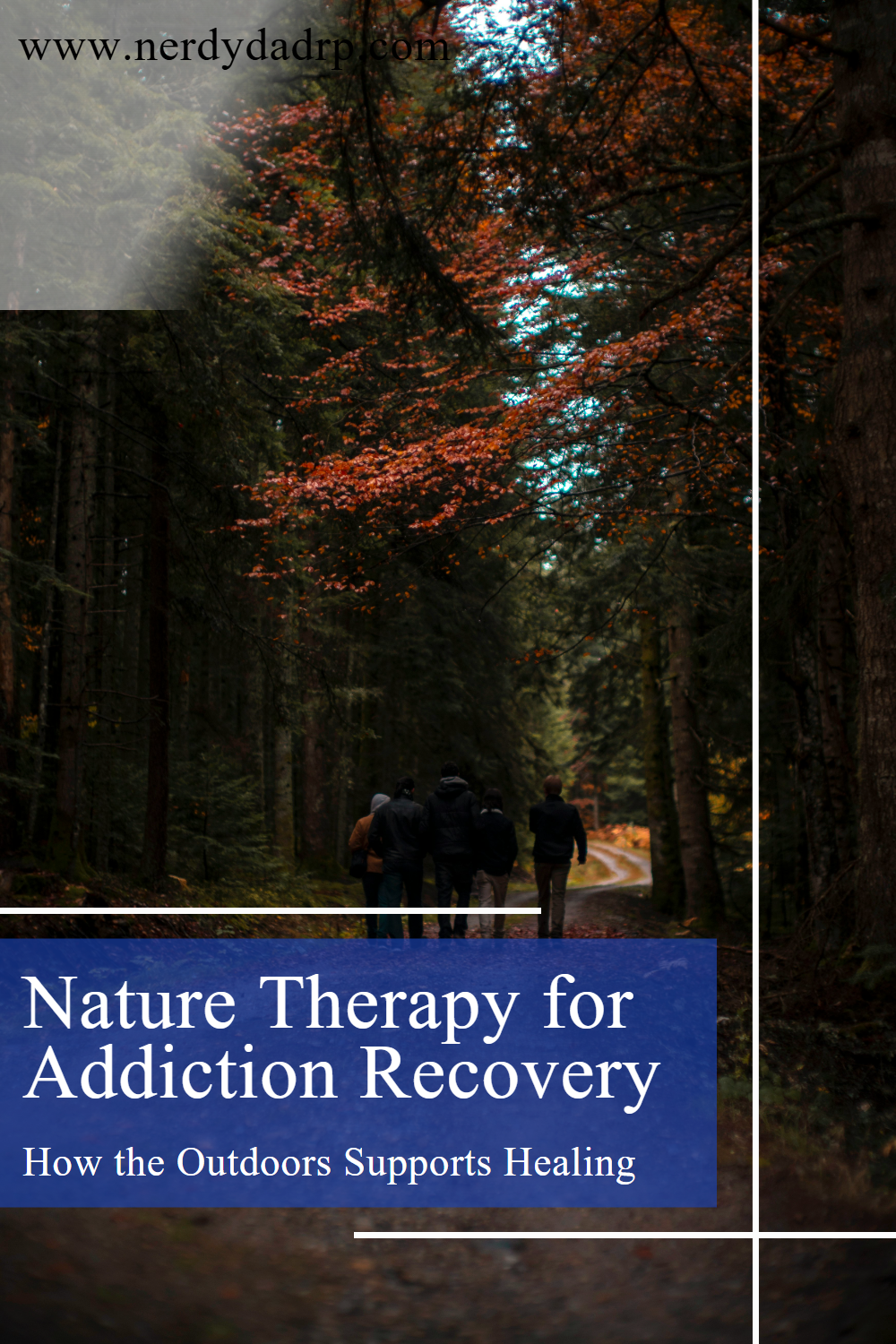
  • Nature Therapy for Addiction Recovery: How the Outdoors Supports Healing

    Nature Therapy for Addiction Recovery: How the Outdoors Supports Healing

    Discover how nature therapy for addiction recovery reduces stress, cravings & isolation. Learn science-backed benefits + simple outdoor practices to support your healing journey. #NatureTherapy #AddictionRecovery #OutdoorTherapy #MentalHealthHealing #HolisticRecovery #MindfulnessInNature

    Addiction recovery is a deeply personal journey. It involves healing the mind, body, and spirit—and spending time in nature is emerging as a powerful complement to traditional treatment. While therapy, medication, and support groups remain essential, another transformative tool often goes overlooked: the healing power of the outdoors.

    Research shows that spending time in nature reduces stress, boosts mood, and improves physical health. When used intentionally, time outdoors can become a vital part of healing. Whether it’s a walk in the woods, a hike through the mountains, or quiet time near a river, nature offers space for reflection, peace, and growth—like a patient friend who listens without interrupting.

    This article explores how nature supports recovery and how wilderness therapy programs are helping people rebuild their lives—one step at a time.


    Why Does Nature Matter in Addiction Recovery?

    Addiction disconnects people from themselves, others, and the world around them—like static on a radio that drowns out the signal. Nature helps restore that connection in profound ways, clearing the noise so you can hear yourself again.

    Spending time in natural environments can:

    • Reduce anxiety and depression
    • Lower blood pressure and heart rate
    • Boost immune system function
    • Improve focus and sleep quality
    • Encourage mindfulness and presence

    According to a 2019 study in Frontiers in Psychology, being in nature for only 20 minutes can meaningfully lower cortisol, the hormone primarily responsible for stress.

    For someone in recovery, this shift in the nervous system can be the difference between feeling overwhelmed and feeling grounded. It’s like turning down the volume on the chaos inside your head.

    The bottom line: Nature acts as a natural stress-reducer, helping the body and mind return to balance during the vulnerable early stages of recovery.


    What Is Wilderness Therapy?

    Outdoor therapy—sometimes called wilderness therapy or adventure therapy—is a therapeutic approach that uses nature as part of the healing process. Think of it as therapy without walls, where the forest becomes the counseling room and the trail becomes the pathway to insight.

    It combines physical activity with guided therapy, emotional reflection, and group support.

    This might include:

    • Hiking through forests or mountains
    • Camping under the stars
    • Team-building exercises
    • Mindfulness practices outdoors
    • Journaling or storytelling around a campfire

    Licensed therapists lead participants through activities while helping them process emotions, develop coping strategies, and rebuild confidence.

    Important distinction: Outdoor therapy isn’t about extreme survival challenges—it’s about healing through connection with nature and others in a supportive, structured environment.


    How Does Time in Nature Reduce Stress and Cravings?

    Woman enjoying outdoor nature therapy with arms raised under a water sprinkler, symbolizing freedom and healing in addiction recovery

    Cravings often stem from stress or emotional discomfort—they’re like warning lights on a dashboard, signaling that something underneath needs attention. Time outdoors provides a calming environment that naturally reduces the fight-or-flight response, helping you address what’s underneath instead of just reacting to the alarm.

    Fresh air, sunlight, and green space offer sensory relief that helps calm the mind and body. The natural sounds, sights, and smells activate the parasympathetic nervous system—the body’s “rest and digest” mode—which counteracts the stress response that often triggers relapse. It’s like giving your nervous system permission to exhale.

    The takeaway: Regular time in nature measurably reduces both stress and cravings, creating a biological foundation for sustainable recovery.


    Can Nature Help With Mindfulness and Emotional Balance?

    Yes—and research suggests it’s one of nature’s most powerful benefits for people in recovery.

    Being outdoors encourages us to slow down and pay attention. The sounds of birds, the feel of the breeze, the smell of trees—these sensory details bring us into the present moment, which is the foundation of mindfulness. It’s harder to spiral into yesterday’s regrets or tomorrow’s worries when a hawk is circling overhead and the wind is in your face.

    Nature is a natural teacher of mindfulness. When paired with guided practice or simple grounding techniques, it becomes even more powerful for emotional healing.

    Try this: Practice “5-4-3-2-1 grounding” outdoors—name 5 things you see, 4 you can touch, 3 you hear, 2 you smell, and 1 you taste. This anchors you in the present and interrupts anxious or craving-based thoughts like pulling the emergency brake on a runaway train.


    What Are the Mental Health Benefits of Outdoor Therapy?

    Man and woman talking with a therapist in a cozy living room setting, discussing recovery and emotional healing.

    Time in nature offers multiple psychological and emotional benefits beyond stress reduction:

    It Builds Self-Esteem and Confidence

    Addiction often damages a person’s self-worth, leaving them feeling like a broken version of who they used to be. Outdoor therapy challenges individuals to set goals, face fears, and accomplish tasks—whether it’s building a fire, completing a challenging hike, or working as a team.

    These small wins build confidence like stacking stones into a cairn—each one matters, and together they mark the path forward.

    Participants often say things like, “I didn’t think I could do it—but I did.” This sense of accomplishment transfers to other areas of life, including staying sober.

    It Supports Connection and Reduces Isolation

    Recovery can feel lonely, like being on an island while everyone else is on the mainland. Wilderness programs often take place in groups, creating opportunities for shared experience, mutual support, and healthy communication.

    Nature breaks down walls. Without the distractions of screens or daily stressors, people connect more easily. Group hikes, campfire talks, or even silent walks foster trust and understanding. There’s something about sweating up a mountain together or watching the same sunset that builds bridges words alone can’t construct.

    It Creates Routine and Structure

    Many people in early recovery struggle with structure—days can feel like drifting without an anchor. Therapeutic outdoor programs often include:

    • Morning routines and reflection time
    • Scheduled hikes or activities
    • Meal preparation as a group
    • Evening journaling or group discussions

    This consistency helps people rebuild daily habits, which are essential for long-term recovery.

    Being in nature also resets the body’s circadian rhythm, which improves sleep quality—a key factor in emotional stability and relapse prevention. When you rise with the sun and rest when it sets, your body remembers its natural rhythm.


    A Story: Healing in the Woods

    Man splashing water on his face outdoors, symbolizing renewal, mindfulness, and the healing power of nature in recovery

    Jake, 29, attended a 30-day nature-based recovery program after years of struggling with alcohol addiction.

    “At first, I didn’t think hiking could help me. But something changed out there. The silence, the trees—it gave me space to breathe. I started to feel again. And with each mile I walked, I left something behind: the guilt, the fear, the shame. It was like shedding weight from a backpack I didn’t realize I’d been carrying. Nature gave me hope when I didn’t have any.”

    Stories like Jake’s are common in nature-based recovery programs. The outdoors often becomes a mirror—showing us our resilience, our struggles, and our strength. The trail doesn’t lie to you. If you’re tired, you feel it. If you’re stronger than you thought, you discover it. And that honesty is part of the healing.


    How to Bring Nature Into Your Recovery

    You don’t need to join a formal program to benefit from time outdoors. Here are simple, evidence-based ways to bring nature into your daily life:

    Take a Daily Walk Outside

    Even 20 minutes can lower stress hormones and improve mood. Choose a park, trail, or quiet neighborhood street lined with trees. Think of it as a daily reset button for your nervous system.

    Practice Mindful Breathing Outdoors

    Sit quietly in a park or backyard. Focus on your breath and what you hear, see, and feel. Let the environment do the heavy lifting—you just need to show up and pay attention.

    Journal in a Natural Setting

    Bring a notebook to a quiet outdoor spot. Write about how the environment makes you feel, what you’re grateful for, or what you’re working through emotionally. Nature has a way of loosening the knots in your thinking.

    Try “Earthing” or Grounding

    Walk barefoot on grass, soil, or sand. Research suggests this practice reduces inflammation, improves sleep, and promotes emotional balance—all critical for recovery. It’s simple, free, and surprisingly powerful.

    Watch a Sunrise or Sunset

    These moments create natural stillness and reflection, like the world pausing to take a breath. They’re perfect for setting daily intentions or expressing gratitude, two practices strongly linked to recovery success.

    Volunteer for Outdoor Conservation Projects

    Giving back to nature while spending time outdoors combines purpose and physical activity—both beneficial for long-term recovery. Planting trees or cleaning trails can feel like healing the earth while healing yourself.


    Final Thoughts

    Low-angle view of green grass leading up to a fence and building in the distance, symbolizing growth, renewal, and connection to nature.

    Recovery is not just about removing something harmful—it’s about replacing it with something healing. Nature offers that healing. It’s always there, like a steady companion who shows up whether you’re ready or not. It doesn’t judge, rush, or demand.

    Whether through a structured wilderness program or a simple walk among trees, time in nature can reduce stress, ease cravings, improve mental health, and help people rediscover joy, peace, and connection. Nature reminds you that growth takes time, that storms pass, and that roots grow deeper in rough soil.

    You don’t need to go far or do much. Just step outside. Take a breath. Let the earth help you heal.

    What has been your experience with nature during recovery, or what’s one small outdoor practice you’d like to try this week?


    Common Questions About Nature and Recovery

    Does nature therapy work as a standalone treatment?

    No—research suggests it works best as a complement to evidence-based treatments like counseling, medication-assisted treatment, and support groups. It enhances recovery but shouldn’t replace professional care.

    How often should someone in recovery spend time in nature?


    Studies show benefits from as little as 20 minutes daily. For structured programs, weekly sessions or multi-day wilderness retreats show significant improvements in stress, mood, and cravings.

    What’s the difference between outdoor therapy and wilderness therapy?


    Outdoor therapy is a broad term for any therapeutic practice that incorporates nature. Wilderness therapy specifically refers to structured, multi-day or residential programs led by licensed therapists in remote natural settings.

    Can nature help with co-occurring mental health conditions?


    Yes—research suggests time outdoors also reduces symptoms of anxiety, depression, PTSD, and trauma, which commonly co-occur with substance use disorders.

    Is nature therapy accessible for people with physical disabilities?


    Absolutely. Many practices—like seated meditation in a garden, wheelchair-accessible trails, or simply spending time near water—are fully accessible and equally beneficial.

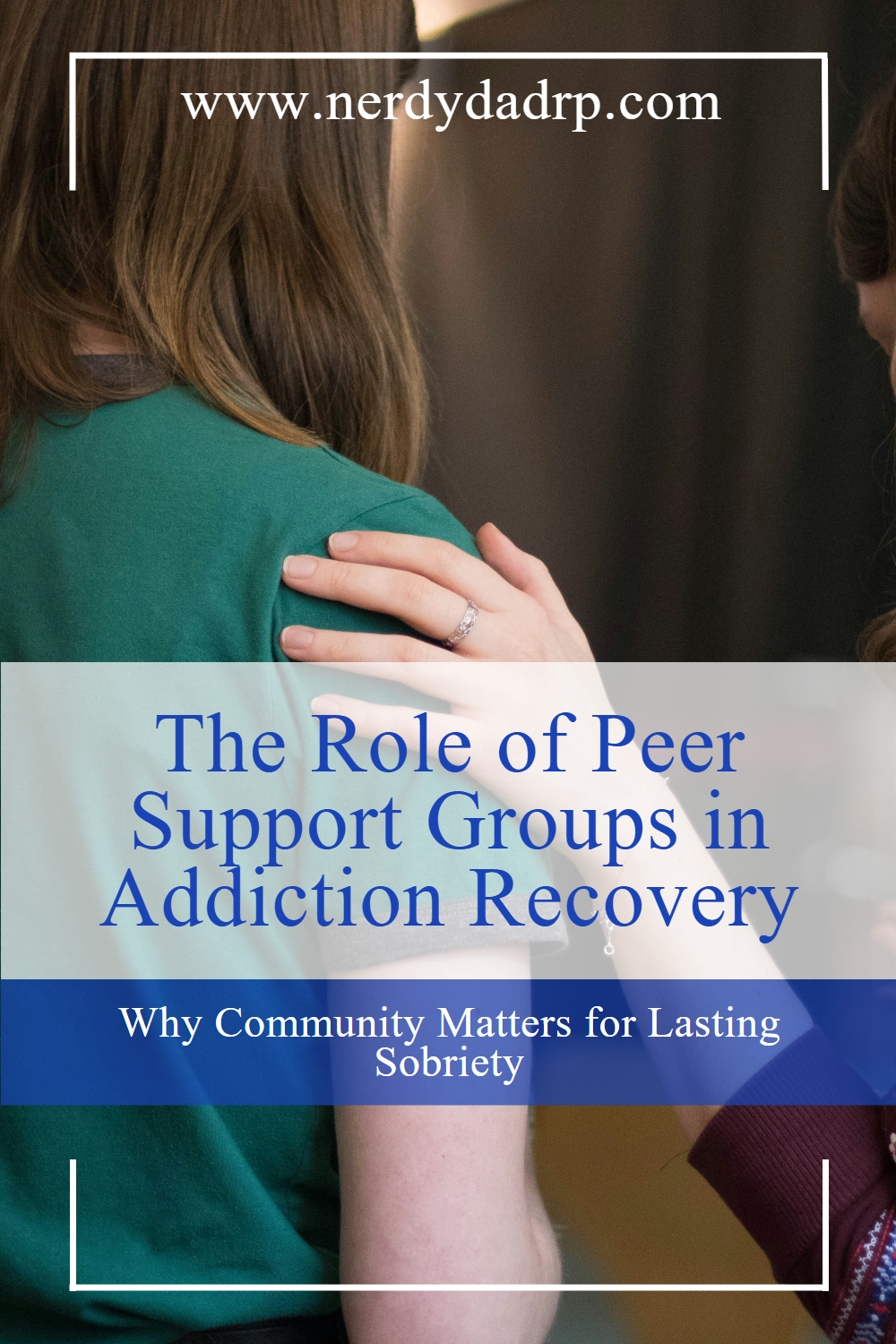
  • The Role of Peer Support Groups in Addiction Recovery: Why Community Matters for Lasting Sobriety

    The Role of Peer Support Groups in Addiction Recovery: Why Community Matters for Lasting Sobriety

    The Role of Peer Support Groups in Addiction Recovery: Why Community Matters for Lasting Sobriety

    Addiction recovery is a lifelong journey, and no one should walk it alone. While professional treatment and therapy are important, one of the most powerful tools for lasting recovery comes from peer support groups. These groups bring people with shared experiences together, creating safe spaces for connection, accountability, and hope—and research shows they can dramatically improve your chances of staying sober long-term.

    The role of peer support groups in addiction recovery goes far beyond just showing up to meetings. It’s the difference between climbing a mountain solo and hiking with a team that knows every treacherous pass, every place to rest, every view that makes the struggle worthwhile. Peer support is not about judgment—it’s about listening, understanding, and reminding people that recovery is possible. For many, it becomes a lifeline that helps them stay sober and rebuild their lives.


    What Are Peer Support Groups in Addiction Recovery?

    Peer support groups are gatherings where people in recovery share their experiences, struggles, and successes. The members are not therapists or doctors but individuals who understand addiction because they have lived it. Think of them as fellow travelers who’ve navigated the same rough terrain and are willing to share their map.

    Groups can be formal, like Alcoholics Anonymous (AA) or Narcotics Anonymous (NA), or informal, like community meetups or online recovery communities. Some groups follow a structured program, such as the 12 steps, while others focus on open discussion and mutual support.

    According to the Substance Abuse and Mental Health Services Administration (SAMHSA), peer support is “a system of giving and receiving help founded on key principles of respect, shared responsibility, and mutual agreement of what is helpful”.

    Takeaway: Peer support creates spaces where shared experiences become the foundation for healing.


    Key Benefits of Peer Groups

    Reducing Isolation

    Addiction often builds walls between people and everyone they love—family, friends, and society. Peer groups break down those walls by creating a community where members feel accepted and understood without fear of judgment.

    When you’re surrounded by people who’ve walked the same path, those walls start to come down brick by brick. The shame that often accompanies addiction begins to lift.

    Building Accountability

    Recovery is easier when someone checks in and encourages progress. These groups create accountability, reminding members that their choices affect not only themselves but also their community. It’s like having a running partner who shows up at your door every morning—knowing you’ll see familiar faces at next week’s meeting can be the difference between relapse and resilience.

    Providing Hope

    Seeing others who are further along in recovery proves that change is possible. Hope is contagious, and witnessing success stories can motivate those just beginning their journey. It’s the light at the end of the tunnel, held steady by people who’ve already made it through. As one long-term AA member puts it: “I keep coming back because I need to remember where I came from—and newcomers need to see where they can go.”

    Offering Practical Advice

    Peers share strategies that worked for them—how to handle cravings, rebuild trust, or manage stress without substances. This practical wisdom complements professional treatment and fills gaps that clinical care alone cannot address. Instead of textbook theories, you get battle-tested tools from people who’ve used them in real life.

    Takeaway: Peer support addresses the emotional and social dimensions of recovery that medical treatment often misses.


    Research on Peer Support and Addiction Recovery Outcomes

    Diverse group of adults in a circle at a peer support meeting for addiction recovery, listening and talking in a warm, welcoming space that promotes connection, empathy, and hope.

    The evidence doesn’t just whisper—it speaks clearly.

    A study in Substance Abuse and Rehabilitation found that people in peer support programs had higher rates of abstinence and lower relapse rates compared to those without peer support.

    Another study showed, people in peer-led groups report reduced depression and increased self-esteem.

    Research also suggests these programs cost significantly less than professional treatment while still delivering strong outcomes, making them accessible to more people.

    Takeaway: Decades of research back up what millions already know from experience—peer support works.


    Different Types of Peer Support Programs

    12-Step Programs (AA, NA)

    Programs like Alcoholics Anonymous and Narcotics Anonymous are the most well-known. They follow a structured path of admitting powerlessness over addiction, seeking support, making amends, and committing to ongoing growth. With meetings in nearly every city worldwide, they offer unparalleled accessibility—a global safety net woven from millions of shared stories.

    Best for: Those who resonate with spiritual principles and structured progression.

    SMART Recovery

    SMART (Self-Management and Recovery Training) focuses on self-empowerment and evidence-based strategies, such as cognitive behavioral therapy tools, to manage addiction. Unlike 12-step programs, SMART Recovery doesn’t emphasize powerlessness but rather building self-reliance. It’s less about surrender and more about learning to steer your own ship.

    Best for: People seeking a secular, science-based approach.

    Faith-Based Groups

    Some groups incorporate spirituality or religion into recovery, offering faith-driven encouragement and guidance. Celebrate Recovery, for example, blends Christian teachings with 12-step principles. For many, faith becomes the anchor that holds steady when cravings storm through.

    Best for: Those whose faith is central to their identity and healing process.

    Online Communities

    Digital communities provide 24/7 support through forums, video calls, or chat apps. Platforms like In The Rooms, Reddit’s r/stopdrinking, and apps like Loosid connect people worldwide.

    These are especially helpful for people in rural areas or those who prefer anonymity. It’s like having a support group in your pocket—always there when you need it, even at 3 AM.

    Best for: Anyone with scheduling conflicts, mobility issues, or social anxiety around in-person meetings.

    Community-Based Programs

    Local organizations may host groups tailored to specific populations, such as veterans, LGBTQ+ individuals, parents, or young adults. These specialized groups address unique challenges that general meetings might overlook. When you find people who share not just your addiction story but your whole story, recovery feels less like fitting into someone else’s mold and more like coming home.

    Best for: Those seeking support from peers with intersecting identities or experiences.

    Takeaway: There’s no one-size-fits-all—recovery is personal, and finding the right fit increases your chances of long-term success.


    Peer Support vs. Professional Treatment: What’s the Difference?

    Close-up of a supportive addiction recovery meeting with diverse adults listening, smiling, and connecting in a calm, welcoming environment.

    This isn’t an either/or question—it’s a both/and answer. They work together like roots and branches on the same tree.

    Peer support is powerful, but it works best when combined with professional treatment. Medical detox, therapy (such as CBT or DBT), and sometimes medication-assisted treatment are necessary for many people, especially during early recovery. Peer groups add a layer of social and emotional support that professional care alone cannot provide.

    Think of it like treating a broken leg: medical care sets the bone, but physical therapy—your peer community—helps you walk again, then run, then dance.

    When to prioritize professional treatment:

    • Severe withdrawal symptoms requiring medical supervision
    • Co-occurring mental health disorders (depression, PTSD, anxiety)
    • History of multiple relapses

    When peer support shines:

    • Maintaining long-term sobriety after clinical treatment
    • Building a sober social network
    • Finding meaning and purpose in recovery

    Takeaway: The strongest recovery combines clinical expertise with community connection.


    Challenges You Might Face in Support Groups

    While peer groups are effective, they’re not without limitations. Even the best tools have their constraints.

    Accessibility: Not everyone has a group nearby, though online options are growing rapidly. Rural areas may have limited meeting options, and transportation can be a barrier. For some, the nearest meeting is an hour’s drive on roads that feel impossibly long when you’re struggling.

    Stigma and fear: Fear of being judged or “outed” in a small community may keep people from joining, especially in early recovery when shame is highest. Walking through that door the first time can feel like exposing your deepest wound to strangers.

    Finding the right fit: Some people may not connect with certain group styles. It often takes trying several different groups before finding the right match. The first group you try might feel like wearing someone else’s shoes—uncomfortable, even if they’re technically the right size.

    Group dynamics: These groups lack professional oversight, which means dynamics can sometimes become unhealthy through gossip, romantic relationships, or power imbalances.

    If the first group doesn’t feel right, try another. Recovery is personal, and different approaches resonate with different people.

    Takeaway: Persistence pays off—most people who stick with the process eventually find a community that feels like home.


    The Role of Family and Community in Sustaining Recovery

    Diverse family and community members gathered in a warm, supportive setting, offering encouragement and connection to a loved one in addiction recovery.

    The role of peer support groups extends beyond formal meetings. Recovery doesn’t happen in a vacuum—it ripples outward into families and communities.

    Families can provide support by:

    • Encouraging open conversations without shame or secrets. Healing thrives in sunlight, not shadows.
    • Celebrating progress, even small milestones like 30 days sober or completing an outpatient program. Every step forward deserves recognition.
    • Reducing stigma and offering compassion instead of judgment. When we treat addiction like a moral failing instead of a medical condition, we push people further into isolation.
    • Removing practical obstacles, such as offering childcare or transportation to meetings. Sometimes the most powerful support is simply making it easier to show up.

    When family members educate themselves and join groups like Al-Anon, Nar-Anon, or CRAFT programs, they strengthen recovery for everyone involved.

    Practical tip: If your loved one is in recovery, ask them, “How can I support you this week?” rather than assuming you know what they need. That simple question can be a bridge instead of a wall.

    Takeaway: Community support amplifies the benefits of formal groups and creates a safety net during vulnerable moments.


    How to Find Peer Support Groups for Addiction Recovery

    For those seeking support, here are proven ways to start. The hardest part is often the first search, but it gets easier from there.

    1. Search local community centers or addiction recovery organizations in your area
    2. Ask healthcare providers (therapists, primary care doctors, outpatient clinics) for referrals
    3. Explore online directories:
    4. Join online platforms like In The Rooms, Loosid, or Reddit communities (r/stopdrinking, r/OpiatesRecovery)
    5. Call SAMHSA’s National Helpline: 1-800-662-HELP (4357) for free, confidential referrals

    Tips for your first meeting:

    • Arrive 10 minutes early to introduce yourself. Those few extra minutes can transform strangers into friendly faces.
    • You don’t have to share in your first meeting—listening is enough. Just showing up is a victory.
    • Try at least 3-4 different meetings before deciding if it’s for you. The first meeting might not click, but the fourth one might change your life.
    • Bring a notebook to jot down helpful quotes or strategies. Sometimes one sentence from a stranger becomes the lifeline you needed.

    As one NA regular shared: “I was terrified to walk through that door. Now it’s the safest place I know.”

    Takeaway: Finding support is easier than ever, with both in-person and online options available 24/7.


    Why Peer Support Matters for Lasting Sobriety

    Community peer support group for addiction recovery, showing members engaging in conversation, fostering hope, accountability, and emotional support.

    Peer support groups play a vital role in addiction recovery. They reduce isolation, provide accountability, and offer hope through shared experiences. While professional treatment addresses the medical and psychological sides of addiction, peer support strengthens the social and emotional foundation needed for lasting recovery. It’s the soil where new habits take root and grow strong.

    The message is clear: recovery is stronger together. With peers who listen, encourage, and inspire, the journey toward healing becomes not only possible but sustainable.

    The science backs this up, but so do millions of lived experiences. Whether you’re considering your first meeting or looking to deepen your existing recovery network, peer support can transform not just sobriety—but your entire relationship with yourself and others. It’s where you stop running alone and start walking with others who understand the path.


    Peer Support in Recovery: FAQs

    How does peer support help prevent relapse?


    Peer support helps prevent relapse by providing accountability, immediate crisis support, and coping strategies from people who’ve faced similar triggers. Individuals with active networks have lower relapse rates compared to those without. It’s like having spotters at the gym—they catch you before you fall.

    Can peer groups replace professional therapy?

    No, they should complement—not replace—professional treatment. While peer groups excel at emotional support and accountability, professional therapy addresses underlying trauma, mental health disorders, and clinical intervention needs that peers cannot. Think of therapy as the foundation and peer support as the walls—you need both to build a strong house.

    What’s the difference between AA and SMART Recovery?


    Alcoholics Anonymous follows a 12-step spiritual model emphasizing surrender and lifelong participation. SMART Recovery uses a 4-point program based on cognitive behavioral therapy, focusing on self-empowerment and eventual graduation from meetings. Both are effective; the best choice depends on personal values—whether you connect more with spiritual principles or scientific tools.

    How do I know if a peer support group is right for me?


    Try attending 3-4 different meetings or online groups before deciding. Look for groups where you feel safe, heard, and inspired by others’ stories. If the first group doesn’t fit, explore different formats. You’ll know you’ve found the right group when leaving feels harder than staying.

  • The Mind-Body Connection: How Your Thoughts Shape Your Health

    The Mind-Body Connection: How Your Thoughts Shape Your Health

    a man raising his hands up in the air at a sunset with text that says The Mind-Body Connection: How Your Thoughts Shape Your Health

    The connection between the mind and body is like a dynamic dance—one constantly influencing the other in an intricate, ever-changing rhythm.

    For centuries, scholars, medical experts, and researchers have studied how mental and physical well-being intertwine. Today, thanks to scientific advancements, we’re learning just how powerful our thoughts, emotions, and psychological states are in shaping our physical health.

    How the Mind-Body Connection Affects Your Health

    Imagine your body as a finely tuned orchestra and your brain as the conductor. When the conductor is calm and composed, the music flows beautifully, each section harmonizing perfectly. But if the conductor becomes erratic, missing cues and speeding up the tempo, the entire performance suffers. This is how the autonomic nervous system (ANS) functions—it regulates vital involuntary functions like heart rate, digestion, and breathing, maintaining balance in our bodies.

    When stress enters the equation, the body releases cortisol, a hormone meant to help us handle short bursts of pressure—like outrunning a saber-toothed tiger back in the day. But in our modern world, stress often lingers, and elevated cortisol levels over long periods can wreak havoc. It’s linked to high blood pressure, weakened immunity, digestive issues, and even heart disease.

    On the flip side, emotions like joy, gratitude, and relaxation act like a soothing melody, calming the nervous system, reducing inflammation, and strengthening the immune response. In essence, what we think and feel has a direct line to our body’s internal symphony.

    The Impact of Mental Well-Being on Physical Health

    Our mental well-being isn’t just a passive player in physical health—it’s a driving force. For instance, depression isn’t just a mental struggle; it often manifests physically in ways such as chronic headaches, digestive issues, and persistent fatigue. Anxiety, like an overactive alarm system, can lead to muscle tension, sleep disturbances, and even cardiovascular problems.

    But here’s the good news: just as negative emotions can weigh the body down (something I can definitely feel at times), positive mental habits can elevate it. Techniques like meditation, mindfulness, and cognitive behavioral therapy act as tuning forks, bringing the body and mind back into harmony. Studies have shown that practicing mindfulness not only reduces stress but also lowers blood pressure and strengthens the immune system.

    Exercise, in particular, is a superstar in the mind-body connection. Have you ever gone for a brisk walk and felt an instant mood boost? That’s thanks to endorphins—nature’s built-in feel-good chemicals. Whether it’s a high-energy aerobic workout, a calming yoga session, or a meditative tai chi flow, movement clears mental fog, alleviates stress, and enhances overall emotional resilience. In fact, many healthcare professionals now prescribe exercise as part of mental health treatment plans.

    How Technology is Transforming Mind-Body Healthcare


    With our deepening understanding of the mind-body link, technology has stepped in as a bridge between the two. Think of digital health tools like an EHR platform as a translator, helping doctors see the full picture of a patient’s well-being. These platforms integrate psychological and physical health data, allowing medical professionals to identify patterns and tailor treatment plans that address both mental and physical health concerns.

    For example, a patient experiencing frequent migraines might also show signs of chronic stress or anxiety. With integrated health records, doctors can recognize this connection and recommend both medical and psychological interventions—perhaps a combination of medication, stress management techniques, and lifestyle adjustments. This holistic approach ensures no piece of the puzzle is overlooked.

    Embracing a Holistic Approach to Health and Wellness

    Gone are the days when physical and mental health were treated as separate entities, like distant relatives who barely speak. Today, integrative medicine acknowledges that they are deeply connected, influencing one another in countless ways.

    Alternative practices such as acupuncture, meditation, chiropractic care, and nutritional adjustments have gained popularity for their ability to support both mental and physical health simultaneously.

    Take the placebo effect, for example. It’s a fascinating phenomenon where simply believing a treatment will work can trigger real physiological improvements. This isn’t just wishful thinking—it’s proof that the mind holds a significant influence over bodily functions. The more we recognize and nurture this connection, the greater control we have over our overall well-being.

    Final Thoughts on Strengthening the Mind-Body Connection

    The bond between mind and body is undeniable and incredibly powerful. When we acknowledge this connection and actively care for both our mental and physical health, we open the door to a healthier, more vibrant life.

    Whether through therapy, exercise, mindfulness, or cutting-edge technology like EHR platforms, embracing a holistic approach is key to maintaining balance and well-being.

    So, the next time you find yourself overwhelmed with stress or battling negative thoughts, remember—you have the power to shift the symphony. A deep breath, a moment of gratitude, or a mindful movement might be all it takes to bring harmony back into your body and mind.

  • How to Take Care of Your Feet: Simple Tips for Everyday Comfort

    How to Take Care of Your Feet: Simple Tips for Everyday Comfort

    bare feet on a couch with text that says How to Take Care of Your Feet: Simple Tips for Everyday Comfort

    Our feet work tirelessly every day, carrying us from place to place like loyal companions on life’s journey. Despite their dedication, they often get the short end of the stick when it comes to self-care. Think about it—when was the last time you gave your feet the attention they truly deserve?

    Taking proper care of your feet isn’t just about comfort; it’s about preventing pain, discomfort, and pesky problems like calluses, bunions, and fungal infections. Whether you’re constantly on the move or spend most of your day sitting, keeping your feet in top shape is essential for your overall well-being.

    1. Wear the Right Shoes

    The shoes you wear can either be your feet’s best friends or their worst enemies. Ill-fitting shoes are like tiny torture chambers, causing blisters, corns, and even long-term conditions like plantar fasciitis (trust me, it’s not enjoyable when it flares up). When choosing footwear, look for options that offer solid arch support, cushioning, and a comfortable fit—your feet will thank you!

    If you spend a lot of time standing, opt for shoes designed with extra support to reduce foot fatigue. Clogs & shoes with cushioned insoles and breathable materials can help keep your feet comfortable throughout the day. On the flip side, avoid high heels and narrow-toe shoes, as they place excessive pressure on certain areas and can lead to long-term foot problems.

    2. Keep Your Feet Clean and Dry

    Feet are like sponges for bacteria and fungi, so keeping them clean and dry is crucial. Wash them daily with mild soap and warm water, paying special attention to the spaces between your toes—bacteria love to hide there! Make sure to dry your feet completely after washing them before putting on socks or shoes.

    If you tend to have sweaty feet, consider using antifungal powders or sprays to prevent conditions like athlete’s foot. Moisturizing is also essential to keep your skin from becoming dry and cracked but steer clear of applying lotion between your toes to avoid trapping moisture and encouraging fungal growth.

    3. Trim Your Toenails the Right Way


    Cutting your toenails may seem straightforward, but doing it wrong can lead to painful infections or ingrown nails. Use a toenail clipper with a straight edge and cut them straight instead of rounding the edges.

    Also, avoid cutting them too short—your toenails should be a protective shield, not an invitation for discomfort. If trimming your nails feels like a daunting task, a podiatrist can help ensure they’re properly maintained.

    4. Stretch and Strengthen Your Feet

    Just like the rest of your body, your feet need exercise and stretching to stay strong and flexible. Simple movements like toe curls, heel raises, and ankle rotations can keep foot muscles engaged and prevent stiffness. If you experience frequent foot pain, stretching your Achilles tendon and plantar fascia can help ease discomfort and improve mobility.

    For those who spend long hours on their feet, rolling a tennis ball or a frozen water bottle under the soles can work wonders in relieving tension. And if you have the chance, walk barefoot on soft surfaces like grass or sand—it’s like a mini-workout for your feet!

    5. Don’t Ignore Foot Pain

    Your feet are great communicators—when they hurt, they’re trying to tell you something. Persistent foot pain should never be brushed off, as it may signal an underlying issue that needs attention. If you experience ongoing discomfort, swelling, or sharp pain, consult a podiatrist for an evaluation.

    Common foot conditions like flat feet, high arches, and bunions can often be managed with orthotics, physical therapy, or simple lifestyle modifications.

    And for individuals with diabetes, foot care is even more critical. Regular foot checks, wearing proper footwear, and routine medical visits can help prevent serious complications down the line.

    6. Give Your Feet Some TLC

    After a long day, your feet deserve a little R&R. If you’ve been on your feet for hours, take breaks to put them up and improve circulation. Putting your feet in warm Epsom salt water can provide instant relief, and a good foot massage can work wonders for relaxation and blood flow.

    Conclusion

    Your feet are the unsung heroes of your daily life, so show them the care and attention they deserve! By wearing well-fitted shoes, keeping them clean and dry, trimming your nails properly, stretching, and addressing pain early, you can ensure they stay healthy and strong for years to come. Make foot care a priority, and your feet will keep you moving comfortably every step of the way.

  • Life After Breast Cancer: A Father’s Guide to Support, Healing, and Strength

    Life After Breast Cancer: A Father’s Guide to Support, Healing, and Strength

    cartoon image of a woman with a breast cancer pin with text that says Life After Breast Cancer: A Father’s Guide to Support, Healing, and Strength

    Breast cancer is a storm that shakes not just the person diagnosed but their entire family. While much attention is given to the patient’s experience, the role of a father—whether as a husband, partner, or caregiver—often drifts into the background. But make no mistake: dads play a crucial role in this journey.

    And when treatment ends, their job is far from over. In fact, transitioning into post-treatment life comes with its own set of challenges, requiring patience, resilience, and a whole lot of love.

    Coping with Emotional Highs and Lows After Breast Cancer Treatment

    For many dads, the end of chemotherapy, radiation, or surgery brings a sigh of relief—like finally reaching the shore after months in turbulent waters. But even as the immediate danger subsides, waves of anxiety can still crash in. Fear of recurrence is a real and lingering concern, and adjusting to a “new normal” after months (or years) of high alert isn’t as simple as flipping a switch.

    Many men struggle with expressing emotions, and when a loved one has been through something as overwhelming as breast cancer, this challenge can feel even greater. There’s often a belief that showing vulnerability might add to the family’s burden, leading dads to bottle up their feelings like a shaken soda can, ready to burst.

    But suppressing emotions only leads to stress and burnout. Seeking support—whether through therapy, support groups, or simply honest conversations—can help dads navigate this phase in a healthier way, ensuring they stay strong in a way that truly counts.

    Adjusting to New Roles and Responsibilities in Post-Treatment Life

    During treatment, many dads become the glue holding the household together—juggling cooking, childcare, medical appointments, and emotional support. It’s a balancing act worthy of a circus performer. Once treatment ends, there’s often an expectation that life will snap back to how it used to be. But the truth is, “normal” may never look the same again.

    Side effects of treatment, such as fatigue, cognitive fog (often called “chemo brain”), and emotional ups and downs, can linger for months or even years. That means dads may need to continue carrying extra weight on their shoulders while their partner heals.

    The key here is flexibility—understanding that healing is a journey, not a finish line. Keeping an open mind and adjusting expectations can make a world of difference in maintaining a healthy, supportive family dynamic.

    Rebuilding Intimacy and Strengthening Emotional Connections


    Infographic provided by Breast Cancer Car Donations, a top company for donating a car in Florida

    Breast cancer can leave its mark on a relationship, not just emotionally but physically. Surgery, hormonal changes, and the emotional toll of the disease can make intimacy feel like uncharted territory. Many dads feel unsure of how to approach this aspect of their relationship, fearing they’ll say or do the wrong thing.

    The secret? Open communication. Creating a space where both partners feel safe discussing their feelings, fears, and needs can help rebuild intimacy—one conversation at a time.

    And remember, intimacy isn’t just about physical closeness; it’s about emotional connection too. Simple gestures—holding hands, leaving a sweet note, sharing a quiet moment together—can be just as powerful in rekindling a sense of closeness.

    Prioritizing Self-Care for Caregivers: Avoiding Burnout and Fatigue

    In the race to support a loved one, many dads forget to care for themselves. Caregiver fatigue is real, and ignoring it can lead to exhaustion, frustration, and even resentment. Think of it like running a car on empty—eventually, it’s going to break down.

    Self-care isn’t selfish; it’s necessary. Whether it’s going for a run, meeting up with friends, diving into a hobby, or simply taking a deep breath and stepping away for a moment, dads need to refuel.

    And if stress starts feeling overwhelming, seeking professional support can make all the difference. After all, being strong for someone else starts with being strong for yourself.

    Finding Support: Connecting with Other Caregivers for Strength and Guidance

    Being a caregiver can be isolating. While the world focuses on the patient’s recovery, dads can feel like they’re standing in the shadows. That’s why finding a support system is crucial. Whether it’s a caregiver support group, an online forum, or a trusted friend, having someone to talk to can be a game-changer.

    Connecting with other men who have walked this path can provide reassurance and practical advice. Just knowing that they’re not alone in their struggles can lift a huge weight off their shoulders. Support is out there—it’s just a matter of reaching for it.

    Embracing the Future: Building a Fulfilling Life After Breast Cancer

    The post-treatment phase isn’t about going back to how things were—it’s about moving forward into a new chapter, one that prioritizes health, emotional well-being, and strong family bonds. For dads, this means continuing to be a pillar of support while also allowing space for their own growth and healing.

    Life after breast cancer is an ongoing journey, filled with adjustments, learning, and resilience. By fostering open communication, staying flexible, and seeking support when needed, dads can navigate this new terrain with confidence and compassion.

    Because at the end of the day, being a great dad, partner, and caregiver isn’t about knowing everything—it’s about being there, loving with your whole heart, and taking it one step at a time.