Category: Home & Garden

One of the best things about having a home is being able to make it your own. Whether you’re looking for advice on redecorating your living room or tips on how to grow the perfect tomatoes, there are plenty of resources available to help you turn your house into a home. If you’re the DIY type, you’ll find no shortage of projects to keep you busy, from easy furniture makeovers to more complex renovations. And if gardening is more your style, you can get expert advice on everything from choosing the right plants for your climate to attracting pollinators to your yard. Whatever your interests, there’s sure to be something for you. So roll up your sleeves and get started on making your house the home you’ve always wanted.

  • Quick Decor Wins: Rattan Furniture for Inside Your Home

    Quick Decor Wins: Rattan Furniture for Inside Your Home

    Looking for quick decor wins? Rattan furniture for inside your home is the easiest way to add texture, charm, and a modern boho vibe—no design degree required. Tap into that cozy-meets-cool aesthetic with these effortless ideas!

#RattanFurniture #BohoModern #InteriorStyling #QuickHomeDecor #RattanDecor #EasyHomeUpdates #BohoStyle #NeutralDecor #HomeInspo #DecorTips

    If decorating your home feels like trying to assemble IKEA furniture without the instructions, you’re not alone. The good news? You don’t need a full weekend or a degree in design to freshen up your space.

    At Two Seventy Nine, customers can find thoughtfully designed furniture that brings warmth and character to their homes. Specializing in rattan, solid wood, and mid-century modern pieces, their furniture adds texture, style, and timeless charm to any room.

    Whether you’ve got five minutes or an hour, the below rattan furniture for inside your home will make it easy to elevate any space with minimal effort. They infuse an effortless boho-modern vibe that is both inviting and sophisticated.


    Small Rattan Accessories for Easy Interior Updates

    Think of rattan as the cherry on top of your decor sundae—a little goes a long way. Start with easy-to-place accessories:

    • A small rattan mirror in your entryway
    • A woven tray on your coffee table
    • A rattan lamp that casts warm, cozy shadows

    These are the five-minute fixes that instantly cozy up a space without rearranging a single piece of furniture.


    Refresh Any Corner Fast with a Rattan Accent Chair

    If you’re looking for a simple yet impactful home upgrade, consider replacing a plain accent chair with a beautifully crafted rattan chair. Its natural texture and intricate design serve as an eye-catching statement piece in any room.

    To elevate the space further, toss on a richly textured pillow in a warm hue or drape a soft, inviting throw over the chair. This combination creates a cozy, boho-style reading nook that feels curated and effortlessly stylish—just like the ones you’d find on Pinterest. This inviting corner will quickly become your favorite spot in the house, perfect for curling up with a good book or sipping your morning coffee.

    Rattan furniture for inside your home adds sculptural interest and a relaxed vibe, all without breaking a sweat.


    Use Rattan with Neutrals for a Calm, Quick Style Boost

    To create a light and breezy atmosphere in your space, consider pairing rattan furniture with soft, neutral tones like beige, ivory, and blush. The warmth of rattan beautifully contrasts with these subtle hues, allowing the unique texture and natural beauty of the furniture to shine.

    For instance, you could place a rattan chair next to a beige side table with a delicate blush vase on it. This combination not only emphasizes the elegance of the rattan but also contributes to a serene and inviting environment. By keeping the overall color palette soft and calm, you can maintain a sophisticated look that feels both spacious and relaxing.

    Layer in soft linens, woven rugs, and cozy throws. It’s a quick recipe for creating warmth and depth with minimal effort.


    Mix Rattan Furniture with Modern Decor Elements

    To keep your rattan furniture for inside looking fresh (not beach bungalow), pair it with modern lines:

    • Matte black fixtures
    • Minimalist vases
    • Mid-century modern tables

    This mix is the decor version of jeans and a blazer—effortless, balanced, and always in style.


    Elevate Wall Space with Rattan Shelving and Decor

    Got 10 minutes? Elevate your wall game with lightweight rattan shelves or wall hangings. Use them to display plants, candles, or books. They draw the eye upward and make your space feel bigger and more styled—with barely any effort.

    Bonus: They’re renter-friendly and often easy to hang.


    Add Rattan Furniture in Unexpected Interior Spaces

    Rattan isn’t just for the living room. Sprinkle it into other areas of your home for fast, delightful upgrades:

    • Bathroom: Swap in a rattan mirror or waste bin
    • Entryway: Add a rattan bench or baskets for shoes (for example, we have baskets underneath our coffee table for extra storage)
    • Bedroom: Use a rattan headboard or nightstand tray

    These tiny touches of rattan furniture for inside your home make a big difference.


    Install Rattan Light Fixtures for Instant Warmth

    Light fixtures are fast-track upgrades, and rattan pendant lamps hit the sweet spot. Hang one above your dining area or kitchen island for an instant glow-up. The woven pattern casts cozy, playful shadows—like candlelight meets craftsmanship.

    And yes, they’re as easy to install as most lighting fixtures. Just plug, hang, and admire.


    Keep Rattan Decor Minimal for Maximum Impact

    Quick tip: Less is more. To truly appreciate the beauty of each rattan piece, it’s important to give it the space it needs to stand out. Consider incorporating just one or two carefully chosen rattan elements in each room; this approach adds rich texture and a subtle natural appeal without overwhelming the space or creating a themed look.

    For example, a stylish rattan chair paired with a simple side table can create a warm, inviting atmosphere while maintaining a sense of balance and openness.

    Rattan furniture for inside should feel intentional—not like you accidentally wandered into a beach cabana.


    Final Thoughts on Decorating Quickly with Rattan Furniture for Inside Spaces

    Decorating doesn’t have to be a weekend-long ordeal. With just a few smart swaps and placements, you can upgrade your entire vibe using rattan furniture for inside your home. These quick decor wins don’t just save time—they boost comfort, character, and charm.

    So whether you’ve got five minutes or fifty, grab that rattan mirror, light, or chair and make your space feel a little more like you—relaxed, stylish, and totally inviting.

  • Moving with Your Family: The Ultimate Relocation Guide for a Stress-Free Transition

    Moving with Your Family: The Ultimate Relocation Guide for a Stress-Free Transition

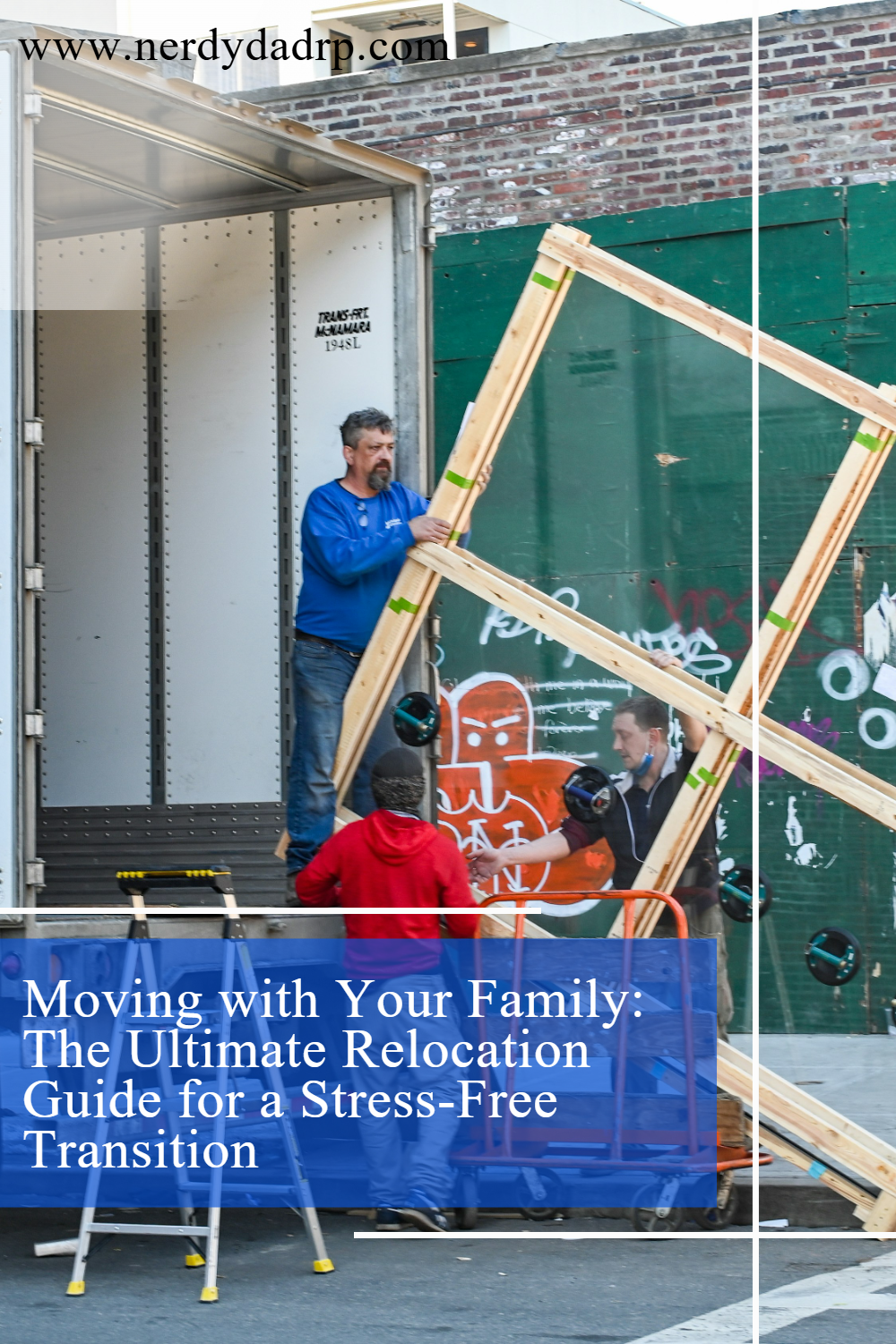
    men putting a large window in a moving truck with text that says Moving with Your Family: The Ultimate Relocation Guide for a Stress-Free Transition

    Moving with your family is like setting off on a grand adventure—exciting, a little nerve-wracking, and full of possibilities.

    Whether you’re relocating for a new job, better schools, or just a fresh start, careful planning and a sprinkle of optimism can turn what feels like a mountain of tasks into a manageable (and even enjoyable!) journey. This guide will walk you through every step, from preparation to settling into your new home, so your family’s transition is as smooth as possible.

    How to Plan and Prepare for a Family Move

    A successful move starts long before the first box is packed. Think of this stage as drawing the blueprint for your new life—every detail matters!

    Choosing the Best Location for Your Family

    Selecting the right place to call home is like picking the perfect puzzle piece to fit your family’s lifestyle. Research different areas based on cost of living, job opportunities, school ratings, healthcare facilities, safety, and overall vibe.

    If possible, take a trip to your prospective new home base to get a real feel for the neighborhood—stroll the streets, visit the local parks, and chat with potential neighbors.

    Smart Budgeting for Your Family Move

    Moving isn’t just about packing boxes—it’s a financial undertaking.

    Make a budget that includes moving services, travel expenses, security deposits, and any unexpected costs (because there will always be a few!). Having a financial plan in place will prevent last-minute stress and ensure your bank account doesn’t take an unnecessary hit.

    Finding the Perfect Home for Your Family

    Your home is your family’s anchor, so finding the right one is crucial. Consider proximity to work, schools, grocery stores, and hospitals.

    If renting, research the market and negotiate lease terms that suit your needs. If buying, work with a real estate agent who understands your priorities.

    Hiring the Best Moving Company for a Hassle-Free Relocation

    While moving yourself can seem like a money-saver, hiring professional movers is often worth the investment.

    A great moving company is like a well-oiled machine—they know how to transport your belongings safely and efficiently. Get multiple quotes, read reviews, and confirm their insurance coverage before signing any contracts.

    How to Prepare Your Family for a Move

    Relocating isn’t just about logistics; it’s an emotional shift, too. A smooth transition starts with clear communication and involvement from every family member.

    Talking to Your Kids About Moving

    The unknown can be scary—especially for kids.

    Have an open conversation with them about the move, addressing their concerns and highlighting the exciting parts, like a bigger backyard, new friends, or an awesome playground nearby.

    Making Moving Fun for Kids

    Kids love to feel included, so give them a role in the process.

    Let them help pack their own boxes, pick out decorations for their new room, or research fun places near their future home. Turning this into a team effort makes it less daunting for everyone.

    Saying Goodbye to Friends and Familiar Places

    Leaving behind familiar places and faces can be tough, so set aside time for proper goodbyes.

    Arrange playdates or farewell parties for the kids and encourage them to exchange contact info with friends. A few reassuring reminders that they can still stay in touch will help ease the transition.

    Essential Moving Day Tips for Families

    When moving day arrives, it’s all about strategy. Think of it as a game plan—you want efficiency, organization, and a good dose of patience.


    Infographic provided by Move Central, a top moving company in San Diego

    Smart Packing Tips for an Organized Move

    Labeling is your best friend! Clearly mark all boxes and keep an “essentials” bag handy with items like medications, important documents, chargers, and basic toiletries.

    Trust us—digging through a dozen boxes for your toothbrush at midnight is no fun.

    Keeping Important Documents Safe During a Move

    Passports, birth certificates, medical records, and financial paperwork should always travel with you, not on the moving truck. Losing these can cause unnecessary headaches down the road.

    How to Handle Moving Day Challenges

    No matter how well you plan, unexpected hiccups may arise—delays, misplaced items, or a sudden thunderstorm during loading. Stay patient and adaptable; problem-solving on the fly is part of the journey!

    How to Settle into Your New Home Quickly

    Now that you’ve arrived, it’s time to turn a house into a home.

    Unpacking and Organizing Your New Home

    Start with the essentials—kitchenware, bedding, and everyday clothing.

    Set up each room gradually, and don’t be afraid to decorate right away. Familiar family photos and cozy touches will make the space feel like yours in no time.

    Exploring Your New Neighborhood and Meeting Neighbors

    Take family walks, visit local shops, and introduce yourselves to the neighbors. Finding your go-to grocery store, favorite coffee shop and nearby playground will help you feel more connected to your new community.

    Enrolling Kids in School and Setting Up Utilities

    If you have school-age children, getting them enrolled quickly is a top priority. Also, ensure your utilities, internet, and healthcare providers are set up as soon as possible. The sooner everything is in place, the easier the transition.

    Helping Your Family Adjust After a Move

    Even after the boxes are unpacked, settling in takes time. Don’t stress if it is taking longer than you think it should. Just keep working at it. We moved over 6 months ago and still aren’t what I’d considered settled.

    Here’s how to ease into your new life:

    Maintaining Routines for a Smooth Transition

    Keeping familiar routines—whether it’s bedtime, mealtime, or weekend family movie night—can provide a comforting sense of normalcy for everyone.

    Helping Your Kids Make New Friends

    Help your kids make new friends by enrolling them in activities or sports. Attend local events, introduce yourself to neighbors, and explore community groups to build connections.

    Providing Emotional Support During a Move

    Change is hard, and it’s normal for family members to have mixed emotions. Be patient, check in with each other regularly, and celebrate the little wins—like finding the best pizza place in town!

    Conclusion: Enjoy the Journey of Moving with Your Family

    Moving with your family is a big transition, but with careful planning, open communication, and a positive mindset, it can be an exciting and rewarding experience.

    By tackling each step—from selecting the right location to helping your family adjust—you’ll turn this move into a fresh start full of new opportunities. So take a deep breath, embrace the adventure, and get ready to create new memories in your new home!

  • Designing a Family-Friendly Bathroom: Safety, Storage, and Style Made Simple

    Designing a Family-Friendly Bathroom: Safety, Storage, and Style Made Simple

    A well-planned bathroom is essential for any family home. Since it’s one of the most frequently used spaces, it should be functional, safe, and comfortable for everyone—kids, parents, and even visiting grandparents.

    With the right design choices, you can create a bathroom that keeps things organized, promotes safety, and looks stylish all at the same time.

    Preventing Accidents: Essential Safety Features for a Family Bathroom

    Safety comes first, especially in a bathroom that serves multiple generations. To prevent slips and falls, consider non-slip flooring like secure bath mats or textured tiles. Slow-close toilet seat lids can help avoid smashed fingers, while curved corners on countertops and vanities reduce the risk of bumps and bruises.

    Safety bars close to the tub and toilet offer extra stability for those who need support, and a faucet with temperature control ensures that little hands aren’t exposed to water that’s too hot. With these small but effective safety measures, you can make your bathroom a worry-free zone for the whole family.

    Keeping Things Tidy: Smart Storage Solutions for a Clutter-Free Space

    When multiple people share a bathroom, staying organized is key. Built-in cabinets and vanity drawers provide ample room for personal care products, while wall shelves maximize the room’s height without adding clutter.

    Hanging organizers and bins can store bath toys, towels, and daily essentials, keeping everything within easy reach.

    A little stool with storage compartments can also help young kids reach the faucets while offering a home for small items. With a place for everything, your bathroom will stay neat and tidy even on the busiest mornings.

    Stylish Yet Practical: Designing a Bathroom That Grows with Your Family


    Infographic provided by Bath Concepts

    A bathroom designed for kids doesn’t have to look like a children’s playroom. Instead of committing to child-themed decor, choose a neutral scheme that can easily be updated with accessories like colorful rugs, shower curtains, and towels.

    Adjustable fixtures, like a showerhead that moves up and down, accommodate users of all ages, making the room more practical for everyone.

    Plus, small additions like potty-training aids and stools encourage independence for little ones without compromising on style.

    Choosing the Right Materials: Durable, Low-Maintenance Options for Busy Families

    With a busy household, the last thing you want is a bathroom that’s hard to clean. Choose durable, easy-to-maintain materials to keep the space looking fresh with minimal effort. Waterproof paint helps keep mildew and mold from building up, and quartz countertops (the ones we have) are great because they resist stains and are easier to take care of than natural stone.

    Frameless showers clean easier than traditional framed doors, and floating toilets and counters leave floor space open, making mopping a breeze. By picking the right materials, you’ll spend less time scrubbing and more time enjoying your home.

    Making the Most of Your Space: Multi-Functional Features for Maximum Efficiency

    A family-friendly bathroom design should work for everyone, no matter their age. Double sinks are a great solution for busy mornings, letting more than one person get ready at the same time.

    Having both a shower and a tub is super convenient. Baths are great for little kids, while showers are faster for older kids and adults. If you’ve got the space, adding a pull-out hamper or even a washer/dryer combo in the bathroom can help keep dirty clothes out of sight and make family life a bit easier.

    Bright and Fresh: The Importance of Proper Lighting and Ventilation

    Good ventilation and lighting make a big difference in any bathroom. A combination of vanity lighting, ceiling lights, and nightlights makes the room bright and safe at all times.

    Natural light from windows or skylights creates a welcoming atmosphere, while a high-quality exhaust fan keeps the humidity down, preventing mold growth and keeping the air fresh. These small details can have a big impact on comfort and functionality.

    Final Thoughts

    A family-friendly bathroom should be a perfect blend of safety, organization, and convenience—without sacrificing style. By incorporating smart storage, durable materials, and thoughtful design elements, you can create a space that works for every family member.

    With the right approach, your bathroom can be a comfortable, practical, and stylish retreat that grows with your family for years to come.

  • 10 Ways to Naturally Treat Lawn Pests: Avoiding Chemicals

    10 Ways to Naturally Treat Lawn Pests: Avoiding Chemicals

    a green grass field with text overlay

    If you’re like most homeowners, you want a lush, green lawn without having to use harsh chemicals. Pesticides and herbicides can be harmful not only to the environment but also to your family and pets. There are many ways to treat lawn pests naturally without using any harsh chemicals. In this article, we will discuss 10 of the best methods for doing so!

    Improve soil quality

    Soil health is important for several reasons. It impacts the overall appearance of your lawn and can also affect how well your grass grows.

    If you want to treat lawn pests naturally, one of the best things you can do is improve the quality of your soil. This can be done by adding organic matter, such as compost or mulch. You can also improve drainage by aerating the soil and adding sand.

    Water your lawn regularly

    Another important step in treating lawn pests naturally is regularly watering your grass. This will help keep the grass’s roots healthy, which in turn will make it more resistant to pests and diseases. Make sure to water deeply rather than just giving the grass a quick sprinkle.

    Mow your yard regularly

    Mowing your lawn on a regular basis is also important for pest control. This helps to keep the grass short, which makes it harder for pests to hide in. It also helps to remove any potential hiding places for pests, such as long blades of grass.

    Use organic fertilizers on your lawn

    If you want to treat lawn pests naturally, it’s important to use organic fertilizers. These are made from natural ingredients and are safe for the environment and your family.

    Look for organic fertilizers that contain ingredients like compost, manure, or blood meal.

    Attract beneficial insects to your yard

    One of the best ways to treat lawn pests naturally is to attract beneficial insects. These include ladybugs, lacewings, and dragonflies. These insects will help to control the population of harmful pests, such as aphids and caterpillars. You can attract them to your lawn by planting flowers that they are attracted to.

    Remove debris

    Another way to treat lawn pests naturally is to remove debris from your lawn. This includes leaves, twigs, and other organic material. These can provide hiding places for pests and also attract them to your lawn. Be sure to clean up any debris on a regular basis.

    Use traps to control pests

    Traps are a great way to control pests without using any chemicals. There are many different types of traps available, such as those that attract and capture insects or those that kill them. You can even make your own traps using things like soda bottles or coffee cans.

    Plant resistant varieties

    One of the best ways to prevent pests from damaging your lawn is to plant resistant varieties of grass. Many different types of grass are resistant to pests, including Bermuda grass, fescue, and bluegrass.

    Use physical barriers

    Another way to treat lawn pests naturally is to use physical barriers. You can do this by covering your garden beds with mulch or using row covers. This will help keep pests from reaching your plants.

    Use natural predators

    One of the best ways to control pests is to use their natural predators. For example, if you have a problem with aphids, you can introduce ladybugs into your garden. These will help to control the aphid population and keep your plants healthy.

    Final Thoughts

    As you can see, there are many different ways to treat lawn pests naturally. By following these tips, you can keep your lawn healthy and free of harmful chemicals. Happy gardening!

  • Important Things To Take Care of Before Selling Your Home

    Important Things To Take Care of Before Selling Your Home

    Important Things To Take Care of Before Selling Your Home

    Selling your home is a massive undertaking. Many factors are involved in the sale of property, and every seller should strive to get the best price for their property and have it sold quickly.

    With the average time a house is on the market currently being 61 days and the process from start to finish taking anywhere from 6 to 9 months, getting a head start in preparing your home and having it ready to hit the market can help you ensure prospective buyers see the home in its best possible light and that no obstacles are impacting your ability to sell.

    So, what do you need to do as a homeowner prior to listing your home on the market?

    Declutter Before Selling Your House

    Decluttering your home before selling can be a liberating experience. It’s the perfect time to sort through everything you own, deciding what you truly need and what can be let go. This process helps you organize your space and can significantly increase your home’s selling price and speed up the sale process, as a clutter-free home is more appealing to potential buyers.

    This goes for everything, from sorting your kitchen cabinets to organizing your wardrobe to the kids’ toys. Anything and everything needs to be sorted and decluttered.

    Start by making a list of every room in the house. From here, break it down into smaller, manageable sections. Go drawer by drawer, clothing type by clothing type, section by section until you have covered everything, including those storage areas or seasonal items you put away when not in use.

    Once you have organized each section, you need to act on the results immediately. If you remove items, do so immediately so they’re not hanging around. If you’re selling them or donating again, do this immediately so you’re not just moving things from one place to another.

    Creating a timeline for decluttering can give you a sense of control and ensure steady progress. By setting a schedule, you can work through the decluttering process and have your home ready for staging and photography. This sense of control will empower you in the selling process.

    Deep Clean

    Deep cleaning prior to listing your home for sale is a great idea. While you, of course, probably keep a clean house daily, you need to take the extra time to really clean those areas that don’t get as much attention.

    You can hire expert deep cleaners to come in and do this for you closer to the time you’re preparing for viewings, or you can do this yourself by adding different chores to your usual routine to stay on top of things.

    Go room by room. Look at things like ceilings, walls, under furniture, kickboards, door handles, architraves, light fittings, grout, etc, and make a plan for cleaning them. Buyers will be scrutinizing all the small details, and while your home might be clean, they will be looking for reasons to offer a lower price, or their standards might not align with what you’re offering.

    So, having a fresh, clean home that has been deep cleaned will help you present it in its best position and remove instances of people being put off due to hygiene and cleanliness standards.

    Check for Pests Before Putting Your House Up for Sale

    The last thing you want is for people to arrange a viewing only to be confronted with signs that you have a pest infestation. Now is the time to inspect your home to ensure this isn’t something you are having a problem with.

    From looking for signs of rodent activity along walls on countertops or in pantries so you can put down humane mouse traps to help you rid your home of this problem to look for signs of bed bugs, wasps nests, or pests under or around your home living on your property.

    If you’re unsure if you have a pest problem, you can talk to pest control services to enable you to fully check all areas of your home and give you and prospective buyers peace of mind that nothing else is making itself in your home that they will have to deal with if they do buy your home.

    Have Minor Repairs Completed

    Broken door knobs, leaky faucets, doors that don’t quite close, that damaged gate on the side of our property, or the faulty garage door—all those little things that you love because they are not major but still a bit of an inconvenience need to be fixed. These minor repairs can significantly improve the overall appeal of your home.

    While they might not be too much of a problem for you right now, they can be for new owners to have to come in and fix, and a poorly maintained home will not fetch its full value or be as attractive to the right type of buyers.

    If you want your home to look its best and present well at viewings, you need to take care of all of those little jobs you have been putting off and, for one reason or another, delaying repairing.

    Have A Home Inspection

    A home inspection can provide you, your realtor, and your buyers with peace of mind.

    While a home inspection is typically carried out by the buyers when they are after a sale, you can get a jumpstart on the process by having it done before the property is listed. This early inspection can help you identify and address any issues that might hamper the sale and your asking price, giving you confidence in the selling process.

    Boost Curb Appeal Before Listing Your House

    Your home’s curb appeal is the first impression people get of it when they arrive. And if that impression isn’t a good one, chances are they’ve made their mind up about you and your home before they even set foot inside.

    It doesn’t matter how amazing the interior is if the front of the property doesn’t convey the same vibe or aesthetic; it won’t be appreciated as much as it should be.

    Stand outside and take a good, long look at the front of your property. Are there things you’ve become blind to over time—like a messy lawn, clutter around the garage, a broken fence, or something that just feels off? Maybe the exterior looks generally shabby and unkempt.

    If so, it might be time to give your home a much-needed facelift. Small improvements can make a big difference, whether that’s tidying the yard or replacing worn elements.

    Consider upgrading to new uPVC doors or adding modern cladding to instantly boost curb appeal and give your home a fresh, clean look. To explore stylish and durable options, visit countrywideupvc.co.uk for more details.

    Make It Less Personal

    Depersonalizing your home means that potential buyers can view the property and envision themselves living there, where their own furniture would fit, and what would be possible. Many people struggle to see through others’ belongings when viewing houses to buy.

    You don’t need to give it a completely blank slate. Removing pictures, ornaments, knick-knacks, etc., can help you give it a clearer, fresher look that isn’t so cluttered. People can see past the decor and personalization of the property’s appearance when they move in.

    A good idea is to start packing anything not essential for living your life and storing it either in your home or in a separate storage facility so that you can depersonalize the place and get a head start on packing for your eventual move.

    Final Thoughts

    These tips can be instrumental in helping you sell your home and get the best price possible for it. They also ensure that you aren’t waiting on the market too long before starting the next adventure in your life. Don’t leave things at the last minute; get started organizing your belongings, giving the place a deep, depersonalizing it, checking for pests, and decluttering to help you be in the best possible position.

  • How Many Years Does a Roof Last?

    How Many Years Does a Roof Last?

    How Many Years Does a Roof Last?

    A roof is one of the most crucial components of a home, protecting it from the elements and ensuring the comfort and safety of its inhabitants. As a homeowner, it’s essential to understand the lifespan of your roof and the factors that can affect its longevity. In this article, we’ll explore the various types of roofing materials and their expected lifespans, as well as the signs that indicate it’s time for a roof replacement.

    Factors Affecting Roof Longevity

    Before delving into the specific lifespans of different roofing materials, it’s important to understand the factors that can impact the longevity of your roof:

    1. Climate: Harsh weather conditions, such as heavy rainfall, strong winds, extreme temperatures, and frequent freeze-thaw cycles, can accelerate the deterioration of your roof.
    2. Quality of materials: The quality of the roofing materials used can significantly affect the lifespan of your roof. Higher-quality materials tend to be more durable and resistant to wear and tear.
    3. Installation: Proper installation is crucial for ensuring the longevity of your roof. A poorly installed roof is more susceptible to leaks, damage, and premature failure.
    4. Maintenance: To ensure the longevity of your roof, it is crucial to perform regular maintenance tasks, including cleaning gutters, removing debris promptly, and addressing minor repairs without delay. Neglecting these tasks could lead to costly roof damage in the long run.

    Lifespan of Common Roofing Materials

    Asphalt Shingles

    Thanks to their affordability, versatility, and ease of installation, asphalt shingles are the most popular roofing material. There are three main types of asphalt shingles:

    1. 3-tab shingles: These basic asphalt shingles have a uniform appearance and typically last between 15 to 20 years.
    2. Architectural shingles: Architectural shingles, also called dimensional or laminate shingles, are thicker and more durable and offer a textured appearance. They last 25-30 years.
    3. Premium shingles: These high-end asphalt shingles are designed to mimic the look of slate or wood shake roofs. They can last up to 30 to 50 years with proper maintenance.

    Clay and Concrete Tiles

    Clay and concrete tiles are known for their durability, fire resistance, and attractive appearance. These roofing materials are commonly used in regions with warm climates and can last between 50 and 100 years with proper maintenance. However, they are heavier than asphalt shingles and may require additional structural support.

    Slate Tiles

    Slate is a natural, long-lasting roofing material with a distinctive and elegant appearance. A well-maintained slate roof lasts between 75 and 200 years, making it one of the most durable roofing options. However, slate is also one of the most expensive roofing materials and requires specialized installation and repair skills.

    Metal Roofing

    Metal roofing, such as steel, aluminum, or copper, is becoming increasingly popular due to its durability, energy efficiency, and low maintenance requirements. Depending on the specific material and coating used, a metal roof can last between 40 and 70 years.

    Metal rooves are lightweight, fire-resistant, and can be designed to mimic the appearance of other roofing materials.

    Wood Shingles and Shakes

    Wood shingles and shakes offer a rustic, natural appearance and are often used in traditional or historic homes. Cedar is the most common type of wood used for roofing, as it is naturally resistant to decay and insects.

    A well-maintained wood roof can last 30 to 50 years but requires regular treatments to prevent deterioration and fire.

    Signs That Your Roof Needs Replacement

    Knowing the signs that indicate your roof needs replacement can help you address the issue before it leads to more extensive damage and costly repairs. Some common signs include:

    1. Age: If your roof has exceeded its expected lifespan, it’s time to start planning for a replacement. Don’t wait until it’s too late and you’re dealing with costly damages. Act now to ensure the safety and protection of your home.
    2. Curling, cracking, or missing shingles: These signs indicate that your shingles are reaching the end of their life and may no longer provide adequate protection.
    3. Sagging roof: A sagging roof can be a sign of structural damage and should be addressed immediately to prevent collapse.
    4. Granules in gutters: As asphalt shingles age, they lose their protective granules. If you notice an excessive amount of granules in your gutters, it may be time for a new roof.
    5. Daylight through the roof boards: If you can see daylight coming through your roof boards in the attic, it means your roof has holes or gaps that need to be addressed.
    6. Water stains or leaks: Water stains on your ceilings or walls can indicate a leaking roof, which can lead to more severe problems if left unaddressed.

    Maintaining Your Roof

    Regular maintenance is key to extending the lifespan of your roof and preventing costly repairs. Some essential maintenance tasks include:

    1. Cleaning gutters and downspouts: Clogged gutters can cause water to back up and damage your roof, so it’s important to keep them clean and free-flowing.
    2. Trimming overhanging branches: Branches that overhang your roof can scratch and damage the surface, as well as provide access for pests.
    3. Inspecting for damage: Regularly inspect your roof for signs of damage, such as missing or broken shingles, and address any issues promptly.
    4. Ventilating the attic: Proper attic ventilation helps regulate temperature and moisture levels, which can prevent damage to your roof decking and shingles.
    5. Professional inspections: Having your roof inspected by a professional every few years can help identify potential problems early on and extend the life of your roof.

    Conclusion

    Your roof is one of the most important parts of your home, and its lifespan depends on several crucial factors. The type of roofing material, climate, quality of installation, and maintenance are all key considerations that can impact how long your roof lasts. Take care of your roof, and it will take care of you and your family for years to come.

    By understanding the expected lifespans of different roofing materials and recognizing the signs that indicate it’s time for a replacement, you can make informed decisions about your home’s roofing needs.

    Regular maintenance is crucial for extending the life of your roof and preventing costly repairs. If you suspect that your roof may need replacement, consult with a professional roofing contractor to assess your options and ensure that your home remains protected for years to come.