Breast cancer is a storm that shakes not just the person diagnosed but their entire family. While much attention is given to the patient’s experience, the role of a father—whether as a husband, partner, or caregiver—often drifts into the background. But make no mistake: dads play a crucial role in this journey.
And when treatment ends, their job is far from over. In fact, transitioning into post-treatment life comes with its own set of challenges, requiring patience, resilience, and a whole lot of love.
Coping with Emotional Highs and Lows After Breast Cancer Treatment
For many dads, the end of chemotherapy, radiation, or surgery brings a sigh of relief—like finally reaching the shore after months in turbulent waters. But even as the immediate danger subsides, waves of anxiety can still crash in. Fear of recurrence is a real and lingering concern, and adjusting to a “new normal” after months (or years) of high alert isn’t as simple as flipping a switch.
Many men struggle with expressing emotions, and when a loved one has been through something as overwhelming as breast cancer, this challenge can feel even greater. There’s often a belief that showing vulnerability might add to the family’s burden, leading dads to bottle up their feelings like a shaken soda can, ready to burst.
But suppressing emotions only leads to stress and burnout. Seeking support—whether through therapy, support groups, or simply honest conversations—can help dads navigate this phase in a healthier way, ensuring they stay strong in a way that truly counts.
Adjusting to New Roles and Responsibilities in Post-Treatment Life
During treatment, many dads become the glue holding the household together—juggling cooking, childcare, medical appointments, and emotional support. It’s a balancing act worthy of a circus performer. Once treatment ends, there’s often an expectation that life will snap back to how it used to be. But the truth is, “normal” may never look the same again.
Side effects of treatment, such as fatigue, cognitive fog (often called “chemo brain”), and emotional ups and downs, can linger for months or even years. That means dads may need to continue carrying extra weight on their shoulders while their partner heals.
The key here is flexibility—understanding that healing is a journey, not a finish line. Keeping an open mind and adjusting expectations can make a world of difference in maintaining a healthy, supportive family dynamic.
Rebuilding Intimacy and Strengthening Emotional Connections
Breast cancer can leave its mark on a relationship, not just emotionally but physically. Surgery, hormonal changes, and the emotional toll of the disease can make intimacy feel like uncharted territory. Many dads feel unsure of how to approach this aspect of their relationship, fearing they’ll say or do the wrong thing.
The secret? Open communication. Creating a space where both partners feel safe discussing their feelings, fears, and needs can help rebuild intimacy—one conversation at a time.
And remember, intimacy isn’t just about physical closeness; it’s about emotional connection too. Simple gestures—holding hands, leaving a sweet note, sharing a quiet moment together—can be just as powerful in rekindling a sense of closeness.
Prioritizing Self-Care for Caregivers: Avoiding Burnout and Fatigue
In the race to support a loved one, many dads forget to care for themselves. Caregiver fatigue is real, and ignoring it can lead to exhaustion, frustration, and even resentment. Think of it like running a car on empty—eventually, it’s going to break down.
Self-care isn’t selfish; it’s necessary. Whether it’s going for a run, meeting up with friends, diving into a hobby, or simply taking a deep breath and stepping away for a moment, dads need to refuel.
And if stress starts feeling overwhelming, seeking professional support can make all the difference. After all, being strong for someone else starts with being strong for yourself.
Finding Support: Connecting with Other Caregivers for Strength and Guidance
Being a caregiver can be isolating. While the world focuses on the patient’s recovery, dads can feel like they’re standing in the shadows. That’s why finding a support system is crucial. Whether it’s a caregiver support group, an online forum, or a trusted friend, having someone to talk to can be a game-changer.
Connecting with other men who have walked this path can provide reassurance and practical advice. Just knowing that they’re not alone in their struggles can lift a huge weight off their shoulders. Support is out there—it’s just a matter of reaching for it.
Embracing the Future: Building a Fulfilling Life After Breast Cancer
The post-treatment phase isn’t about going back to how things were—it’s about moving forward into a new chapter, one that prioritizes health, emotional well-being, and strong family bonds. For dads, this means continuing to be a pillar of support while also allowing space for their own growth and healing.
Life after breast cancer is an ongoing journey, filled with adjustments, learning, and resilience. By fostering open communication, staying flexible, and seeking support when needed, dads can navigate this new terrain with confidence and compassion.
Because at the end of the day, being a great dad, partner, and caregiver isn’t about knowing everything—it’s about being there, loving with your whole heart, and taking it one step at a time.

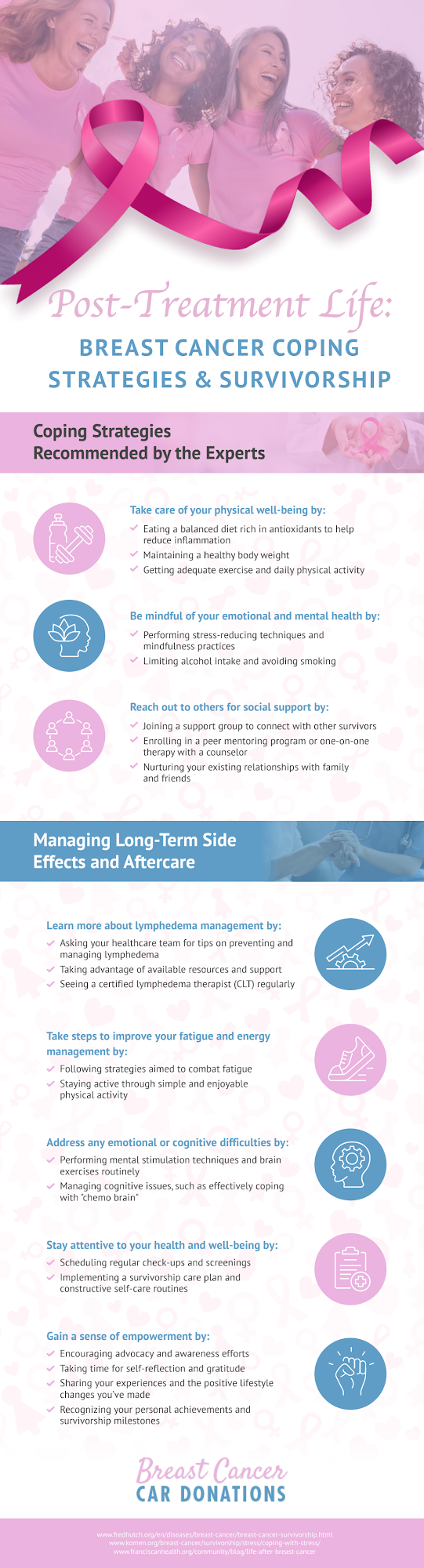 Infographic provided by Breast Cancer Car Donations, a top company for donating a car in Florida






Leave a Reply