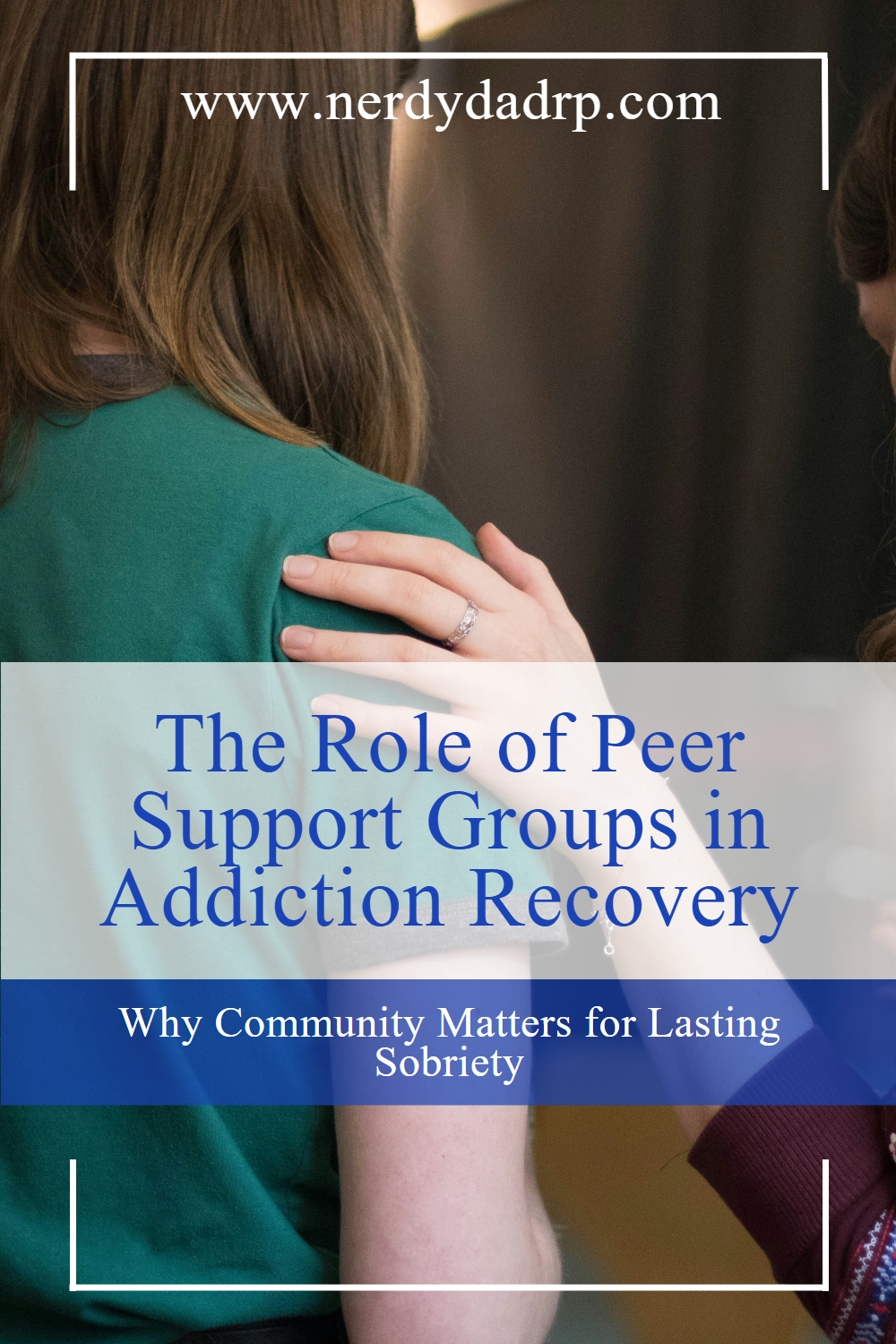
Addiction recovery is a lifelong journey, and no one should walk it alone. While professional treatment and therapy are important, one of the most powerful tools for lasting recovery comes from peer support groups. These groups bring people with shared experiences together, creating safe spaces for connection, accountability, and hope—and research shows they can dramatically improve your chances of staying sober long-term.
The role of peer support groups in addiction recovery goes far beyond just showing up to meetings. It’s the difference between climbing a mountain solo and hiking with a team that knows every treacherous pass, every place to rest, every view that makes the struggle worthwhile. Peer support is not about judgment—it’s about listening, understanding, and reminding people that recovery is possible. For many, it becomes a lifeline that helps them stay sober and rebuild their lives.
What Are Peer Support Groups in Addiction Recovery?
Peer support groups are gatherings where people in recovery share their experiences, struggles, and successes. The members are not therapists or doctors but individuals who understand addiction because they have lived it. Think of them as fellow travelers who’ve navigated the same rough terrain and are willing to share their map.
Groups can be formal, like Alcoholics Anonymous (AA) or Narcotics Anonymous (NA), or informal, like community meetups or online recovery communities. Some groups follow a structured program, such as the 12 steps, while others focus on open discussion and mutual support.
According to the Substance Abuse and Mental Health Services Administration (SAMHSA), peer support is “a system of giving and receiving help founded on key principles of respect, shared responsibility, and mutual agreement of what is helpful”.
Takeaway: Peer support creates spaces where shared experiences become the foundation for healing.
Key Benefits of Peer Groups
Reducing Isolation
Addiction often builds walls between people and everyone they love—family, friends, and society. Peer groups break down those walls by creating a community where members feel accepted and understood without fear of judgment.
When you’re surrounded by people who’ve walked the same path, those walls start to come down brick by brick. The shame that often accompanies addiction begins to lift.
Building Accountability
Recovery is easier when someone checks in and encourages progress. These groups create accountability, reminding members that their choices affect not only themselves but also their community. It’s like having a running partner who shows up at your door every morning—knowing you’ll see familiar faces at next week’s meeting can be the difference between relapse and resilience.
Providing Hope
Seeing others who are further along in recovery proves that change is possible. Hope is contagious, and witnessing success stories can motivate those just beginning their journey. It’s the light at the end of the tunnel, held steady by people who’ve already made it through. As one long-term AA member puts it: “I keep coming back because I need to remember where I came from—and newcomers need to see where they can go.”
Offering Practical Advice
Peers share strategies that worked for them—how to handle cravings, rebuild trust, or manage stress without substances. This practical wisdom complements professional treatment and fills gaps that clinical care alone cannot address. Instead of textbook theories, you get battle-tested tools from people who’ve used them in real life.
Takeaway: Peer support addresses the emotional and social dimensions of recovery that medical treatment often misses.
Research on Peer Support and Addiction Recovery Outcomes
The evidence doesn’t just whisper—it speaks clearly.
A study in Substance Abuse and Rehabilitation found that people in peer support programs had higher rates of abstinence and lower relapse rates compared to those without peer support.
Research also suggests these programs cost significantly less than professional treatment while still delivering strong outcomes, making them accessible to more people.
Takeaway: Decades of research back up what millions already know from experience—peer support works.
Different Types of Peer Support Programs
12-Step Programs (AA, NA)
Programs like Alcoholics Anonymous and Narcotics Anonymous are the most well-known. They follow a structured path of admitting powerlessness over addiction, seeking support, making amends, and committing to ongoing growth. With meetings in nearly every city worldwide, they offer unparalleled accessibility—a global safety net woven from millions of shared stories.
Best for: Those who resonate with spiritual principles and structured progression.
SMART Recovery
SMART (Self-Management and Recovery Training) focuses on self-empowerment and evidence-based strategies, such as cognitive behavioral therapy tools, to manage addiction. Unlike 12-step programs, SMART Recovery doesn’t emphasize powerlessness but rather building self-reliance. It’s less about surrender and more about learning to steer your own ship.
Best for: People seeking a secular, science-based approach.
Faith-Based Groups
Some groups incorporate spirituality or religion into recovery, offering faith-driven encouragement and guidance. Celebrate Recovery, for example, blends Christian teachings with 12-step principles. For many, faith becomes the anchor that holds steady when cravings storm through.
Best for: Those whose faith is central to their identity and healing process.
Online Communities
Digital communities provide 24/7 support through forums, video calls, or chat apps. Platforms like In The Rooms, Reddit’s r/stopdrinking, and apps like Loosid connect people worldwide.
These are especially helpful for people in rural areas or those who prefer anonymity. It’s like having a support group in your pocket—always there when you need it, even at 3 AM.
Best for: Anyone with scheduling conflicts, mobility issues, or social anxiety around in-person meetings.
Community-Based Programs
Local organizations may host groups tailored to specific populations, such as veterans, LGBTQ+ individuals, parents, or young adults. These specialized groups address unique challenges that general meetings might overlook. When you find people who share not just your addiction story but your whole story, recovery feels less like fitting into someone else’s mold and more like coming home.
Best for: Those seeking support from peers with intersecting identities or experiences.
Takeaway: There’s no one-size-fits-all—recovery is personal, and finding the right fit increases your chances of long-term success.
Peer Support vs. Professional Treatment: What’s the Difference?
This isn’t an either/or question—it’s a both/and answer. They work together like roots and branches on the same tree.
Peer support is powerful, but it works best when combined with professional treatment. Medical detox, therapy (such as CBT or DBT), and sometimes medication-assisted treatment are necessary for many people, especially during early recovery. Peer groups add a layer of social and emotional support that professional care alone cannot provide.
Think of it like treating a broken leg: medical care sets the bone, but physical therapy—your peer community—helps you walk again, then run, then dance.
When to prioritize professional treatment:
Severe withdrawal symptoms requiring medical supervision
Co-occurring mental health disorders (depression, PTSD, anxiety)
Maintaining long-term sobriety after clinical treatment
Building a sober social network
Finding meaning and purpose in recovery
Takeaway: The strongest recovery combines clinical expertise with community connection.
Challenges You Might Face in Support Groups
While peer groups are effective, they’re not without limitations. Even the best tools have their constraints.
Accessibility: Not everyone has a group nearby, though online options are growing rapidly. Rural areas may have limited meeting options, and transportation can be a barrier. For some, the nearest meeting is an hour’s drive on roads that feel impossibly long when you’re struggling.
Stigma and fear: Fear of being judged or “outed” in a small community may keep people from joining, especially in early recovery when shame is highest. Walking through that door the first time can feel like exposing your deepest wound to strangers.
Finding the right fit: Some people may not connect with certain group styles. It often takes trying several different groups before finding the right match. The first group you try might feel like wearing someone else’s shoes—uncomfortable, even if they’re technically the right size.
Group dynamics: These groups lack professional oversight, which means dynamics can sometimes become unhealthy through gossip, romantic relationships, or power imbalances.
If the first group doesn’t feel right, try another. Recovery is personal, and different approaches resonate with different people.
Takeaway: Persistence pays off—most people who stick with the process eventually find a community that feels like home.
The Role of Family and Community in Sustaining Recovery
The role of peer support groups extends beyond formal meetings. Recovery doesn’t happen in a vacuum—it ripples outward into families and communities.
Families can provide support by:
Encouraging open conversations without shame or secrets. Healing thrives in sunlight, not shadows.
Celebrating progress, even small milestones like 30 days sober or completing an outpatient program. Every step forward deserves recognition.
Reducing stigma and offering compassion instead of judgment. When we treat addiction like a moral failing instead of a medical condition, we push people further into isolation.
Removing practical obstacles, such as offering childcare or transportation to meetings. Sometimes the most powerful support is simply making it easier to show up.
When family members educate themselves and join groups like Al-Anon, Nar-Anon, or CRAFT programs, they strengthen recovery for everyone involved.
Practical tip: If your loved one is in recovery, ask them, “How can I support you this week?” rather than assuming you know what they need. That simple question can be a bridge instead of a wall.
Takeaway: Community support amplifies the benefits of formal groups and creates a safety net during vulnerable moments.
How to Find Peer Support Groups for Addiction Recovery
For those seeking support, here are proven ways to start. The hardest part is often the first search, but it gets easier from there.
Search local community centers or addiction recovery organizations in your area
Ask healthcare providers (therapists, primary care doctors, outpatient clinics) for referrals
Join online platforms like In The Rooms, Loosid, or Reddit communities (r/stopdrinking, r/OpiatesRecovery)
Call SAMHSA’s National Helpline: 1-800-662-HELP (4357) for free, confidential referrals
Tips for your first meeting:
Arrive 10 minutes early to introduce yourself. Those few extra minutes can transform strangers into friendly faces.
You don’t have to share in your first meeting—listening is enough. Just showing up is a victory.
Try at least 3-4 different meetings before deciding if it’s for you. The first meeting might not click, but the fourth one might change your life.
Bring a notebook to jot down helpful quotes or strategies. Sometimes one sentence from a stranger becomes the lifeline you needed.
As one NA regular shared: “I was terrified to walk through that door. Now it’s the safest place I know.”
Takeaway: Finding support is easier than ever, with both in-person and online options available 24/7.
Why Peer Support Matters for Lasting Sobriety
Peer support groups play a vital role in addiction recovery. They reduce isolation, provide accountability, and offer hope through shared experiences. While professional treatment addresses the medical and psychological sides of addiction, peer support strengthens the social and emotional foundation needed for lasting recovery. It’s the soil where new habits take root and grow strong.
The message is clear: recovery is stronger together. With peers who listen, encourage, and inspire, the journey toward healing becomes not only possible but sustainable.
The science backs this up, but so do millions of lived experiences. Whether you’re considering your first meeting or looking to deepen your existing recovery network, peer support can transform not just sobriety—but your entire relationship with yourself and others. It’s where you stop running alone and start walking with others who understand the path.
Peer Support in Recovery: FAQs
How does peer support help prevent relapse?
Peer support helps prevent relapse by providing accountability, immediate crisis support, and coping strategies from people who’ve faced similar triggers. Individuals with active networks have lower relapse rates compared to those without. It’s like having spotters at the gym—they catch you before you fall.
Can peer groups replace professional therapy?
No, they should complement—not replace—professional treatment. While peer groups excel at emotional support and accountability, professional therapy addresses underlying trauma, mental health disorders, and clinical intervention needs that peers cannot. Think of therapy as the foundation and peer support as the walls—you need both to build a strong house.
What’s the difference between AA and SMART Recovery?
Alcoholics Anonymous follows a 12-step spiritual model emphasizing surrender and lifelong participation. SMART Recovery uses a 4-point program based on cognitive behavioral therapy, focusing on self-empowerment and eventual graduation from meetings. Both are effective; the best choice depends on personal values—whether you connect more with spiritual principles or scientific tools.
How do I know if a peer support group is right for me?
Try attending 3-4 different meetings or online groups before deciding. Look for groups where you feel safe, heard, and inspired by others’ stories. If the first group doesn’t fit, explore different formats. You’ll know you’ve found the right group when leaving feels harder than staying.









Leave a Reply