
Blog

  • Hidden Hazards: How Poor Parking Lot Design Endangers Schoolchildren

    Hidden Hazards: How Poor Parking Lot Design Endangers Schoolchildren

    close up of a school bus with text that says Hidden Hazards: How Poor Parking Lot Design Endangers Schoolchildren

    When we think about school safety, we often picture locked doors, security cameras, and playground supervision. But there’s another critical area that’s frequently overlooked—the school parking lot. It may seem like just a functional space, a place for cars to come and go, but a poorly designed parking lot is a ticking time bomb for accidents.

    Picture a beehive during peak hours, with cars, buses, and pedestrians buzzing in every direction. Without clear organization, this chaos can put students directly in harm’s way.

    Why School Parking Lot Safety Matters More Than You Think

    Every school day, children step onto school grounds, navigating the complex dance of traffic and pedestrian movement. These parking lots and drop-off zones are high-traffic intersections where buses, staff vehicles, and hurried parents converge. Without thoughtful design, they quickly become confusing mazes, increasing the likelihood of accidents.

    One of the most alarming dangers in school parking lots is the lack of proper separation between pedestrians and vehicles. In many cases, crosswalks are either poorly marked or missing entirely, forcing children to weave between moving cars like an impromptu game of Frogger.

    Kids, being kids, don’t always pay attention to their surroundings, and drivers—often distracted or in a hurry—might not see a small child darting across their path. Add blind spots and poor visibility to the mix, and you have a recipe for disaster.

    Traffic Jams and Dangerous Congestion During Peak Hours

    If you’ve ever experienced a school drop-off or pick-up, you know it’s like rush hour condensed into a 30-minute window. The influx of vehicles creates a traffic jam, with parents competing for parking spots and navigating tight spaces.

    When parking areas are unclear or inadequate, some resort to stopping in no-parking zones, blocking bus lanes, or double-parking, forcing children to cross through dangerous areas just to reach their ride.

    The frustration and impatience of drivers in these situations often lead to reckless behavior—speeding, cutting off other vehicles, ignoring crosswalks, or making sudden, erratic turns. Without properly marked lanes and clear traffic flow, the confusion escalates, turning what should be a safe passageway into a high-stakes obstacle course.

    The Lifesaving Importance of Clear Signage and Traffic Flow

    An effectively designed parking lot should act as a well-orchestrated symphony, where every element moves smoothly in harmony. Clear signage and designated pathways for vehicles and pedestrians are key to making this happen. Unfortunately, many school lots resemble a puzzle missing critical pieces, with faded or absent markings, unclear stop signs, and traffic lanes that make little sense.

    When drivers and pedestrians aren’t sure where to go, mistakes happen. Children may dart across unexpected areas, assuming they have the right of way, while drivers make split-second decisions based on guesswork. The absence of well-marked drop-off and pick-up zones only worsens the problem, increasing the risk of miscommunication and collisions.

    By establishing clearly marked lanes, dedicated pedestrian crosswalks, and enforced traffic direction rules, schools can significantly cut down on the confusion and reduce accidents. Something as simple as a few well-placed signs and painted lines can transform a chaotic lot into a safer environment.

    Poor Lighting Turns School Parking Lots into Danger Zones


    Imagine trying to navigate a crowded parking lot at dusk, with dim lighting casting long shadows. Now imagine that same lot filled with small children who can be difficult to spot in low light. Poor lighting is another major safety concern in school parking lots. Early mornings and late afternoons—when many students are arriving or leaving—are prime times for low visibility, making it even harder for drivers to see young pedestrians.

    Beyond pedestrian safety, inadequate lighting creates other security concerns. Dark areas can become hiding spots for unwanted activity, putting students and staff at risk. Installing bright, well-placed lights can solve multiple problems at once—improving visibility, deterring crime, and creating a safer, more welcoming environment.

    How Schools Can Make Parking Lots Safer for Everyone

    The good news? These problems are fixable. Schools don’t need a complete parking lot overhaul to make a meaningful difference. Even small changes can have a huge impact.

    1. Separate Pedestrians from Vehicles: Clearly marked, designated walkways for students can prevent them from walking through traffic areas.
    2. Improve Traffic Flow: Establishing one-way lanes, drop-off/pick-up zones, and no-parking areas helps keep cars moving smoothly.
    3. Enhance Signage and Markings: Freshly painted crosswalks, stop signs, and directional arrows reduce confusion and improve safety.
    4. Increase Lighting: Bright, well-distributed lighting makes it easier for drivers to see students and enhances overall security.
    5. Implement Safety Technology: Surveillance cameras, speed bumps, and vehicle sensors can help monitor and control traffic conditions.
    6. Routine Maintenance: Cracked pavement, faded markings, and broken signs should be regularly inspected and repaired.

    Even seemingly minor details—like strategically placing outdoor trash cans for sale to keep pathways clear—can contribute to a safer, more organized space.

    Final Thoughts: Prioritizing School Parking Lot Safety Saves Lives

    When it comes to protecting schoolchildren, no detail is too small to overlook. A poorly designed parking lot isn’t just an inconvenience; it’s a hazard that risks young lives. Schools can create a safer, more efficient environment for students, parents, and staff by investing in better design, clear signage, adequate lighting, and regular maintenance.

    A parking lot should never be the most dangerous part of a child’s school day. With the right improvements, we can turn these everyday spaces into secure, well-managed areas where safety takes the front seat. The question isn’t whether we can afford to make these changes—it’s whether we can afford not to.

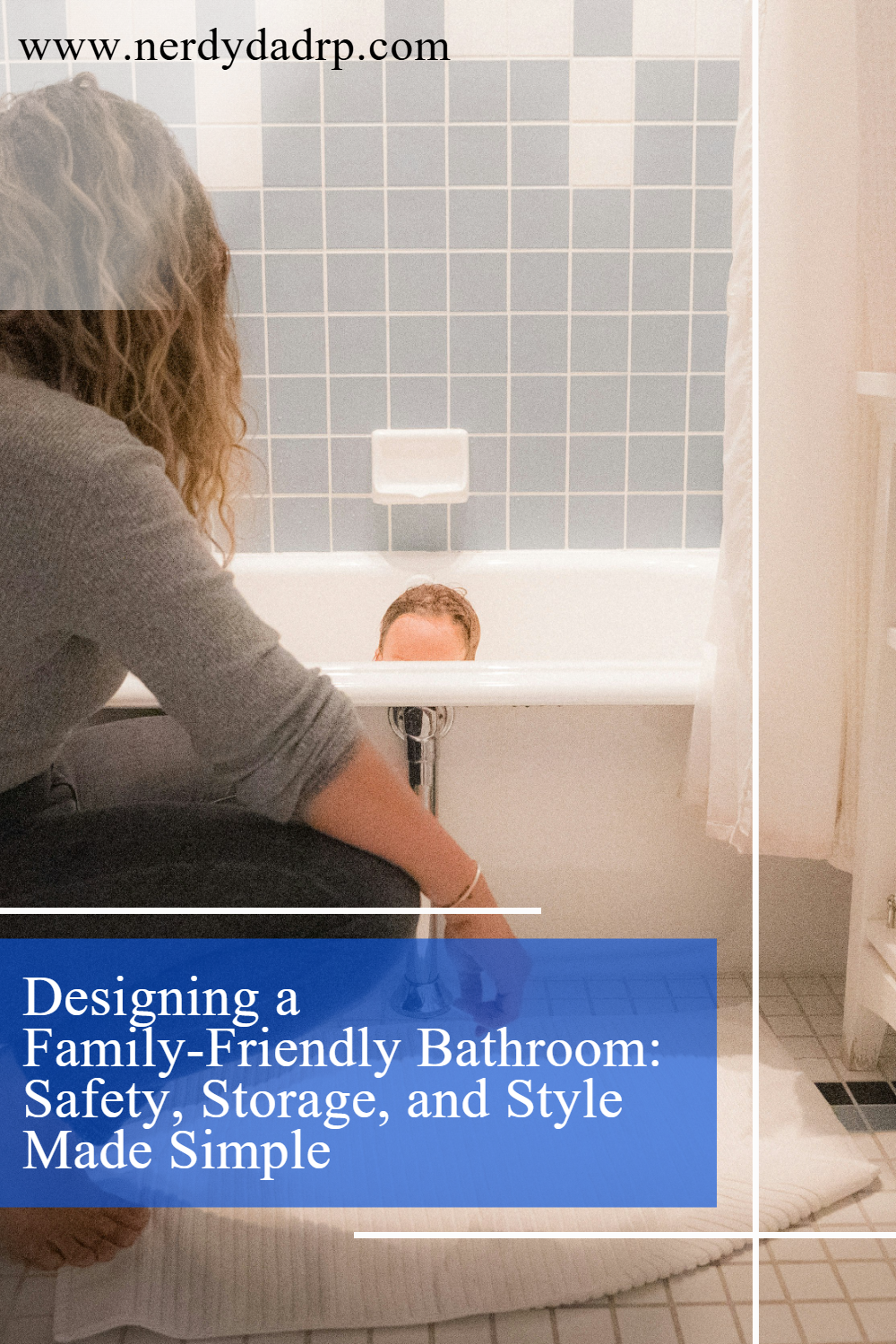
  • Designing a Family-Friendly Bathroom: Safety, Storage, and Style Made Simple

    Designing a Family-Friendly Bathroom: Safety, Storage, and Style Made Simple

    A well-planned bathroom is essential for any family home. Since it’s one of the most frequently used spaces, it should be functional, safe, and comfortable for everyone—kids, parents, and even visiting grandparents.

    With the right design choices, you can create a bathroom that keeps things organized, promotes safety, and looks stylish all at the same time.

    Preventing Accidents: Essential Safety Features for a Family Bathroom

    Safety comes first, especially in a bathroom that serves multiple generations. To prevent slips and falls, consider non-slip flooring like secure bath mats or textured tiles. Slow-close toilet seat lids can help avoid smashed fingers, while curved corners on countertops and vanities reduce the risk of bumps and bruises.

    Safety bars close to the tub and toilet offer extra stability for those who need support, and a faucet with temperature control ensures that little hands aren’t exposed to water that’s too hot. With these small but effective safety measures, you can make your bathroom a worry-free zone for the whole family.

    Keeping Things Tidy: Smart Storage Solutions for a Clutter-Free Space

    When multiple people share a bathroom, staying organized is key. Built-in cabinets and vanity drawers provide ample room for personal care products, while wall shelves maximize the room’s height without adding clutter.

    Hanging organizers and bins can store bath toys, towels, and daily essentials, keeping everything within easy reach.

    A little stool with storage compartments can also help young kids reach the faucets while offering a home for small items. With a place for everything, your bathroom will stay neat and tidy even on the busiest mornings.

    Stylish Yet Practical: Designing a Bathroom That Grows with Your Family


    Infographic provided by Bath Concepts

    A bathroom designed for kids doesn’t have to look like a children’s playroom. Instead of committing to child-themed decor, choose a neutral scheme that can easily be updated with accessories like colorful rugs, shower curtains, and towels.

    Adjustable fixtures, like a showerhead that moves up and down, accommodate users of all ages, making the room more practical for everyone.

    Plus, small additions like potty-training aids and stools encourage independence for little ones without compromising on style.

    Choosing the Right Materials: Durable, Low-Maintenance Options for Busy Families

    With a busy household, the last thing you want is a bathroom that’s hard to clean. Choose durable, easy-to-maintain materials to keep the space looking fresh with minimal effort. Waterproof paint helps keep mildew and mold from building up, and quartz countertops (the ones we have) are great because they resist stains and are easier to take care of than natural stone.

    Frameless showers clean easier than traditional framed doors, and floating toilets and counters leave floor space open, making mopping a breeze. By picking the right materials, you’ll spend less time scrubbing and more time enjoying your home.

    Making the Most of Your Space: Multi-Functional Features for Maximum Efficiency

    A family-friendly bathroom design should work for everyone, no matter their age. Double sinks are a great solution for busy mornings, letting more than one person get ready at the same time.

    Having both a shower and a tub is super convenient. Baths are great for little kids, while showers are faster for older kids and adults. If you’ve got the space, adding a pull-out hamper or even a washer/dryer combo in the bathroom can help keep dirty clothes out of sight and make family life a bit easier.

    Bright and Fresh: The Importance of Proper Lighting and Ventilation

    Good ventilation and lighting make a big difference in any bathroom. A combination of vanity lighting, ceiling lights, and nightlights makes the room bright and safe at all times.

    Natural light from windows or skylights creates a welcoming atmosphere, while a high-quality exhaust fan keeps the humidity down, preventing mold growth and keeping the air fresh. These small details can have a big impact on comfort and functionality.

    Final Thoughts

    A family-friendly bathroom should be a perfect blend of safety, organization, and convenience—without sacrificing style. By incorporating smart storage, durable materials, and thoughtful design elements, you can create a space that works for every family member.

    With the right approach, your bathroom can be a comfortable, practical, and stylish retreat that grows with your family for years to come.

  • Wake Up Smarter: How Smart Home Tech Can Make Morning Time Easier

    Wake Up Smarter: How Smart Home Tech Can Make Morning Time Easier

    a woman opening glass french doors in a bedroom after waking up with text that says Wake Up Smarter: How Smart Home Tech Can Make Morning Time Easier

    Mornings can be brutal. One minute, you’re in dreamland, floating through a peaceful, imaginary vacation; the next, your alarm is blaring like a fire drill. The struggle is real! But what if your morning could be easier, smoother—dare I say, pleasant?

    Enter smart home technology, the game-changing hero that can transform your groggy, chaotic mornings into a seamless, stress-free routine. Let’s talk about how the right gadgets can make morning time easier and actually (gasp!) make waking up enjoyable.

    Rise and Shine—The Smart Way to Simplify Your Morning Routine

    We all know the classic alarm clock battle—smack the snooze button, roll over, and repeat. But smart home technology has flipped the script.

    Imagine a wake-up experience that mimics the natural sunrise, gradually brightening your room like a gentle, warm morning glow. Smart alarm clocks like the Philips SmartSleep Wake-Up Light or the Hatch Restore use soft lighting and calming sounds to wake you up naturally—no more heart-pounding jolts from blaring alarms!

    Pair that with smart blinds like Lutron Serena Shades, which automatically open to let in natural light when it’s time to rise. It’s like your own personal sunrise on demand.

    You’ll feel more refreshed, and it beats waking up to a pitch-black room with an angry alarm. These innovations help make morning time easier by creating a gentle and natural start to your day.

    Coffee First, Questions Later—Effortless Mornings with Smart Coffee Makers

    Let’s be honest: mornings don’t officially begin until coffee is in hand. But standing in the kitchen, waiting for the coffee maker to do its thing? That’s precious time wasted.

    Enter the smart coffee maker—your new best friend. Devices like the Hamilton Beach Smart Coffee Maker or the Keurig K-Supreme SMART can be programmed to start brewing before your feet even touch the floor.

    Better yet, integrate it with your Amazon Alexa (my personal go-to) or Google Assistant and simply say, “Hey Alexa, start my coffee.” Like magic, your liquid motivation is ready to fuel your day. No more fumbling with coffee pods or filters when your brain is still half asleep. This is another way that smart home gadgets can make morning time easier and stress-free.

    Your Personal Morning DJ—Wake Up with Seamless Smart Audio

    Music has the power to set the tone for the day. Whether you need some pump-up jams to shake off the sleepiness or calming tunes to ease into the morning, smart speakers like the Sonos OneAmazon Echo, or Google Nest Audio have you covered.

    Set up a morning playlist that kicks in automatically when you wake up, or better yet, have it sync with your alarm so your favorite songs start playing the moment you open your eyes (this is what I do).

    And if you’re the type who prefers a little motivation, ask your smart speaker for a daily briefing. It can give you the weather, news, or even a dose of positive affirmations to start your day with good vibes.

    Smart Showers for the Ultimate Wake-Up Call—Make Morning Time Easier

    Forget standing under the shower, waiting for the water to heat up while shivering in your towel. With a smart shower system like Moen Smart Shower or U by Moen, you can pre-set your preferred water temperature, and the shower will be perfectly warm the second you step in. It’s like having a personal butler for your bathroom.

    For an extra boost, smart showers can also sync with voice assistants. Simply say, “Alexa, start my shower,” and voilà—instant luxury. Who needs a spa day when you have this kind of effortless morning magic at home?

    A Closet That Does the Thinking for You—Hassle-Free Morning Outfits

    Picking out an outfit in the morning can feel like solving a puzzle before coffee has kicked in.

    Smart mirrors like the HiMirror or the Fitness Smart Mirror can give you fashion advice, check the weather to recommend an outfit, and even suggest color pairings. It’s like having your own personal stylist who never judges your fashion choices (even when you’re considering sweatpants for the third day in a row).

    A Smarter Exit Strategy—Stress-Free Mornings with Smart Tech

    The moment you step out the door, a hundred things pop into your head—Did I lock the front door? Did I turn off the lights? Is the thermostat set? Smart home security and automation make these worries disappear. August Smart Locks let you lock (or unlock) your door remotely, Nest Thermostat adjusts the temperature for energy savings, and smart plugs ensure that no rogue curling iron is left on.

    And if you’re really in a rush, set up a morning routine with your smart assistant. A simple “Hey Google, I’m leaving” can turn off lights, lock doors, adjust the thermostat, and even remind you to grab your keys. With these tools, you can make morning time easier and get out the door with peace of mind.

    Mornings Made Effortless—How Smart Tech Creates a Smooth Start

    No more grumpy mornings. No more chaotic rushes out the door. Smart home technology can take all the morning madness and turn it into a smooth, effortless experience. From gently waking you up to brewing your coffee, choosing your outfit, and securing your home, these gadgets don’t just simplify your morning routine—they make it better.

    So, why not embrace a smarter way to start the day? Your future self—the one who’s well-rested, caffeinated, and actually on time—will thank you!

  • Learn Computer Programming by Yourself: A Simple, Fast, and Painless Step-by-Step Guide

    Learn Computer Programming by Yourself: A Simple, Fast, and Painless Step-by-Step Guide

    cartoon guy sitting at a desk typing with text that says Learn Computer Programming by Yourself: A Simple, Fast, and Painless Step-by-Step Guide

    So, You Want to Learn Computer Programming by Yourself? Let’s Make It Easy!

    Thinking about diving into the world of programming but feeling overwhelmed? Don’t worry—you’re not alone! Learning to code on your own might seem like climbing Mount Everest in flip-flops, but I promise, it’s more like a fun road trip.

    You just need the right map, a little patience, and some good tunes along the way. Let’s break it down into bite-sized steps, so you can start coding without breaking a sweat.

    Step 1: Pick Your First Programming Language (It’s Like Choosing Your Superpower)

    The first big decision is choosing which programming language to start with. Think of programming languages like different superpowers—each one gives you unique abilities! Here are some great beginner-friendly options:

    • Python – The Swiss Army knife of coding. Simple, readable, and used everywhere, from AI to web development.
    • JavaScript – The magic behind websites. If you want to make interactive web pages, this is your go-to.
    • Scratch – If you’re a total beginner and want a fun way to learn coding logic, this drag-and-drop language is perfect.
    • C# or Java – Great for game development and building apps.

    Pick one that excites you—don’t overthink it! You can always learn others later.

    Step 2: Find the Right Learning Resources (No Boring Textbooks, Please!)

    Gone are the days when learning to code meant buying a giant, dull textbook. Today, you’ve got tons of fun and interactive ways to learn:

    • Interactive Websites: Codecademy, freeCodeCamp, and Khan Academy offer step-by-step coding lessons.
    • YouTube Tutorials: Channels like CS Dojo and Traversy Media make learning feel like hanging out with a friend.
    • Coding Apps: Try Mimo or SoloLearn to practice on the go.
    • Online Courses: Platforms like Udemy and Coursera have beginner-friendly programming courses.

    Find what clicks for you—some people love videos, while others prefer hands-on challenges. Experiment and stick with what keeps you engaged!

    Step 3: Start Small – Build Mini Projects (Like LEGO but for Code)

    Jumping straight into coding theory is like trying to learn swimming by reading about it. You need to get your hands dirty! Start with small, fun projects to apply what you learn. Here are some beginner project ideas:

    • A simple calculator
    • A to-do list app
    • A basic website (HTML, CSS, and JavaScript)
    • A Rock-Paper-Scissors game

    These small wins will boost your confidence and keep you motivated. Think of it like leveling up in a video game—each mini-project is another XP boost!

    Step 4: Join Coding Communities (Because Learning Alone is Boring)

    Learning in isolation can be tough. The good news? There are amazing online communities where you can ask questions, share projects, and get feedback:

    • Stack Overflow – A lifesaver for debugging errors (because trust me, you will have errors!)
    • Reddit (r/learnprogramming) – A supportive place to ask beginner-friendly questions
    • Discord & Slack Groups – Many coding communities have live chat spaces where you can connect with fellow learners
    • GitHub – A great place to collaborate and see how real-world coding projects work

    Surrounding yourself with fellow coders makes the journey more fun and helps you stay motivated.

    Step 5: Practice Daily (Even 15 Minutes Counts!)

    Consistency is key. Learning to code is like learning an instrument—the more you practice, the better you get. Even if you can only dedicate 15-30 minutes a day, it adds up over time. Try coding challenges on platforms like:

    • LeetCode (for problem-solving skills)
    • HackerRank (for coding puzzles and challenges)
    • CodeWars (for gamified coding practice)

    Treat coding like a habit, not a chore. Make it a part of your daily routine, and soon enough, you’ll see major progress.

    Step 6: Break Stuff, Make Mistakes, and Debug Like a Detective

    Let’s be real: you’re going to run into errors. Lots of them. But that’s good!

    Debugging is where real learning happens. Think of it like solving a mystery—you’re the detective, and the error message is your first clue. Google will become your best friend, and you’ll learn to read error messages like a pro.

    Mistakes are just stepping stones to mastery. So embrace them!

    Step 7: Build Something Bigger – Your First Real Project

    Once you’re comfortable with the basics, it’s time to create something cool. Maybe a personal website, a budgeting app, or even a simple game. This will solidify everything you’ve learned and give you something awesome to show off.

    Plus, projects make great portfolio pieces if you ever want to land a job or freelance gigs!

    Final Thoughts: You’ve Got This!

    Learning computer programming by yourself might seem like a daunting task, but trust me, it’s totally doable. Start small, be consistent, join communities, and most importantly—have fun with it! Coding is like a superpower that lets you create anything from scratch. And once you get the hang of it, there’s no limit to what you can build.

    So, are you ready to take the plunge? Grab your laptop, pick a language, and start your coding journey today!

  • Fun Bridal Party Entrance Ideas for Your Wedding Reception

    Fun Bridal Party Entrance Ideas for Your Wedding Reception

    people staring at a wedding reception with sparklers and text that says Fun Bridal Party Entrance Ideas for Your Wedding Reception

    The bridal party entrance is always a memorable moment during the wedding reception. It’s a chance for the bride and groom to show off their friends and family, and it sets the tone for the rest of the evening.

    If you’re looking for some fun ideas for your bridal party entrance, you’ve come to the right place! In this blog post, we will discuss several options that will surely excite everyone. Let’s get started!

    Choreographed Dance Entrances That Will Wow Your Guests

    This is a great option if you have a large bridal party or if you want to get everyone involved in the fun right from the start! You can have your bridal party dance their way into the reception hall, and it’s sure to get everyone laughing and smiling.

    If you’re worried about people not being able to dance, don’t worry – you can always have a few bridal party members lead the way and get everyone else moving.

    Make an Entrance: Bikes, Scooters & More Fun Wedding Arrival Ideas

    This is another fun option that is sure to get people laughing. You can have your bridal party come in on bicycles, scooters, or even roller skates!

    Just be sure that everyone is comfortable with their “transportation” before the big day.

    Surprise Your Guests with Multiple Bridal Party Entrances

    You can have the bridal party come in from different doors or even have them come in from outside! Just be sure that everyone knows where they’re supposed to go so that there’s no confusion on the big day.

    Funny and Heartfelt Bridal Party Skits for Your Grand Entrance

    You can have your bridal party perform a skit as they make their way into the reception hall.

    For example, you could have them re-enact your first date or how you got engaged. This is sure to be a memorable moment for everyone involved!

    Hilarious Bridal Party Entrance Idea: Piggyback Rides

    This is a great option if you want to add a bit of humor to your bridal party entrance. You can have the bridesmaids piggyback the groomsmen or vice versa!

    Be sure to play some fun music as you make your way into the reception hall, and you’re sure to get everyone laughing.

    Role-Reversal Wedding Entrance: Bridesmaids in Tuxes & Groomsmen in Dresses

    You can have the bridesmaids wear the groom’s tuxes, and the groomsmen can wear the bridesmaids’ dresses. This will get everyone smiling and laughing, and it’s sure to be a memorable entrance!

    Also, be sure to take some pictures before you make your way into the reception hall – this is sure to be a moment that you’ll want to remember!

    Enchant Your Guests with a Fairytale-Inspired Snowy Wedding Entrance

    If you’re having your wedding during the winter, you can have a snow machine going as everyone makes their way into the reception hall! This will create that fairytale winter wonderland entrance that you’ve always dreamed of.

    May the Force Be with Your Wedding: A Lightsaber Battle Entrance

    This is the perfect option for all you Star Wars fans out there!

    Have your bridesmaids and groomsmen come in fighting with lightsabers. This is sure to be a memorable entrance that your guests will be talking about for years to come.

    Make Your Grand Entrance Pop with Balloons, Confetti & More

    You can have your bridal party use props to make their entrance more fun and memorable.

    For example, you could have them all carry balloons or confetti cannons. They could also wear fun costumes or hats. The possibilities are endless!

    Final thoughts

    As you can see, there are lots of fun bridal party entrance ideas that you can use for your wedding reception. Just be sure to choose an option that is comfortable for everyone involved and that will fit the overall tone of your wedding day. Have fun!

  • Make Your Own Avatar: Bring Your Digital Self to Life!

    Make Your Own Avatar: Bring Your Digital Self to Life!

    avatar of a man standing outside near mountains with text that says Make Your Own Avatar Bring Your Digital Self to Life!

    Alright, imagine this—you walk into a party where everyone has a dazzling, unique outfit that screams their personality. Some are rocking neon mohawks, others have cyberpunk shades, and a few are even rocking dragon wings! Now, replace that party with the digital world, and what you’ve got is the magic of creating your own avatar.

    An avatar is your digital alter ego, the online reflection of who you are—or who you want to be. It’s like having a costume closet full of endless possibilities where you can mix, match, and experiment without any real-world limitations. Whether you’re designing a cartoonish version of yourself for social media, a sleek virtual reality persona, or a battle-hardened warrior for your favorite game, crafting an avatar is like painting your personality onto a digital canvas.

    Why Bother Making an Avatar?

    You might be wondering, “Why not just use a regular profile picture?” Well, where’s the fun in that? Your avatar is your chance to showcase your style, creativity, and personality in a way that a plain old selfie never could.

    Think of it as a superhero costume—Superman wouldn’t be as iconic without his red cape, right? Your avatar is your chance to amplify your essence, whether that’s by adding a dash of mystery, humor, or even fantasy.

    Plus, in the digital world, an avatar gives you control over how you’re perceived. Want to be a neon-haired space traveler? Go for it! Prefer a cute and cuddly fox character? No one’s stopping you!

    The Art of Avatar Creation

    1. Choosing Your Style

    First things first, what kind of avatar do you want? Different platforms offer different styles:

    • Realistic avatars (Think Bitmoji, Memoji, or Meta Avatars)
    • Cartoon or anime-style avatars (Perfect for social media or gaming profiles)
    • Pixel art or retro avatars (Old-school gaming vibes!)
    • Full-blown 3D avatars (Used in VR, games, and metaverse platforms)

    Your choice sets the tone for how you present yourself in the digital world. Are you the quirky, animated type? Or do you want a sleek, hyper-realistic digital twin? The possibilities are endless.

    2. Facial Features & Expressions

    Your face is your most recognizable feature, so naturally, avatars let you tweak every detail to get that just-right look. You can adjust your:

    • Eye shape and color – because the eyes are the windows to the digital soul!
    • Nose and mouth – whether you want a button nose, sharp jawline, or big cartoon lips, the power is in your hands.
    • Hairstyle and color – ever wanted to try blue hair but were too scared in real life? Now’s your chance!

    3. Outfit & Accessories: The Digital Wardrobe

    Now, let’s talk about style. Your avatar’s outfit can say as much about you as your real-world wardrobe. You can go classic with jeans and a T-shirt, futuristic with cybernetic armor, or completely out of the box with something like a tuxedo and bunny ears (hey, we don’t judge!).

    Don’t forget accessories—glasses, hats, earrings, even glowing energy auras! They all add flair to your digital self. And let’s not forget tattoos or war paint if you’re feeling extra bold.

    4. Special Effects & Unique Add-ons

    The digital world allows for things that reality simply doesn’t. Want cat ears? A robotic arm? Glowing neon circuits running through your skin? This is your chance to be whoever—or whatever—you want to be.

    Play with filters, lighting, and animation effects to give your avatar that extra pop.

    Where to Make Your Own Avatar

    There are tons of platforms where you can bring your digital self to life:

    • Bitmoji – Great for social media, and I love using it in text messaging, too.
    • ZEPETO – A 3D avatar creator with a social world.
    • Ready Player Me – A fantastic option for a full-body 3D avatar.
    • Avatoon – A fun, cartoon-style avatar maker.
    • VRChat & Metaverse Avatars – If you want to step into virtual reality.

    Each of these platforms has its own perks, so it depends on where and how you want to use your avatar.

    Avatars & Self-Expression: More Than Just a Digital Face

    An avatar is more than just a fun graphic—it’s a reflection of self-expression, a shield of anonymity when you need it, and sometimes even a confidence booster. Some people use avatars to experiment with looks they wouldn’t try in real life, while others create fantasy versions of themselves that represent their ideal selves.

    In gaming, your avatar can be a powerful warrior, a stealthy rogue, or even a mischievous goblin. In social spaces, your avatar might be a representation of your best self, exuding confidence and style. Some people even use avatars as a form of escapism, creating a digital version of themselves that’s free from the constraints of the real world.

    Pro Tips for creating a digital Avatar

    1. Stay true to yourself – Whether it’s exaggerated or realistic, make sure your avatar represents something about you.
    2. Experiment fearlessly – You can always change it, so have fun and get creative!
    3. Consider where you’ll use it – A professional platform might need a sleek look, while gaming allows for more crazy creativity.
    4. Pay attention to details – Small things like a unique accessory or color scheme can make your avatar stand out.
    5. Update it over time – Just like fashion trends, avatars evolve! Keep yours fresh with new styles and tweaks.

    Final Thoughts

    Creating your own avatar is like sculpting your ideal digital identity—whether that’s a direct representation of you or something wildly imaginative. It’s your chance to explore, express, and have fun in a way that real life doesn’t always allow.

    So, what are you waiting for? Jump into an avatar creator, tweak those sliders, and bring your digital self to life. Who knows? You might just discover a whole new side of yourself along the way!