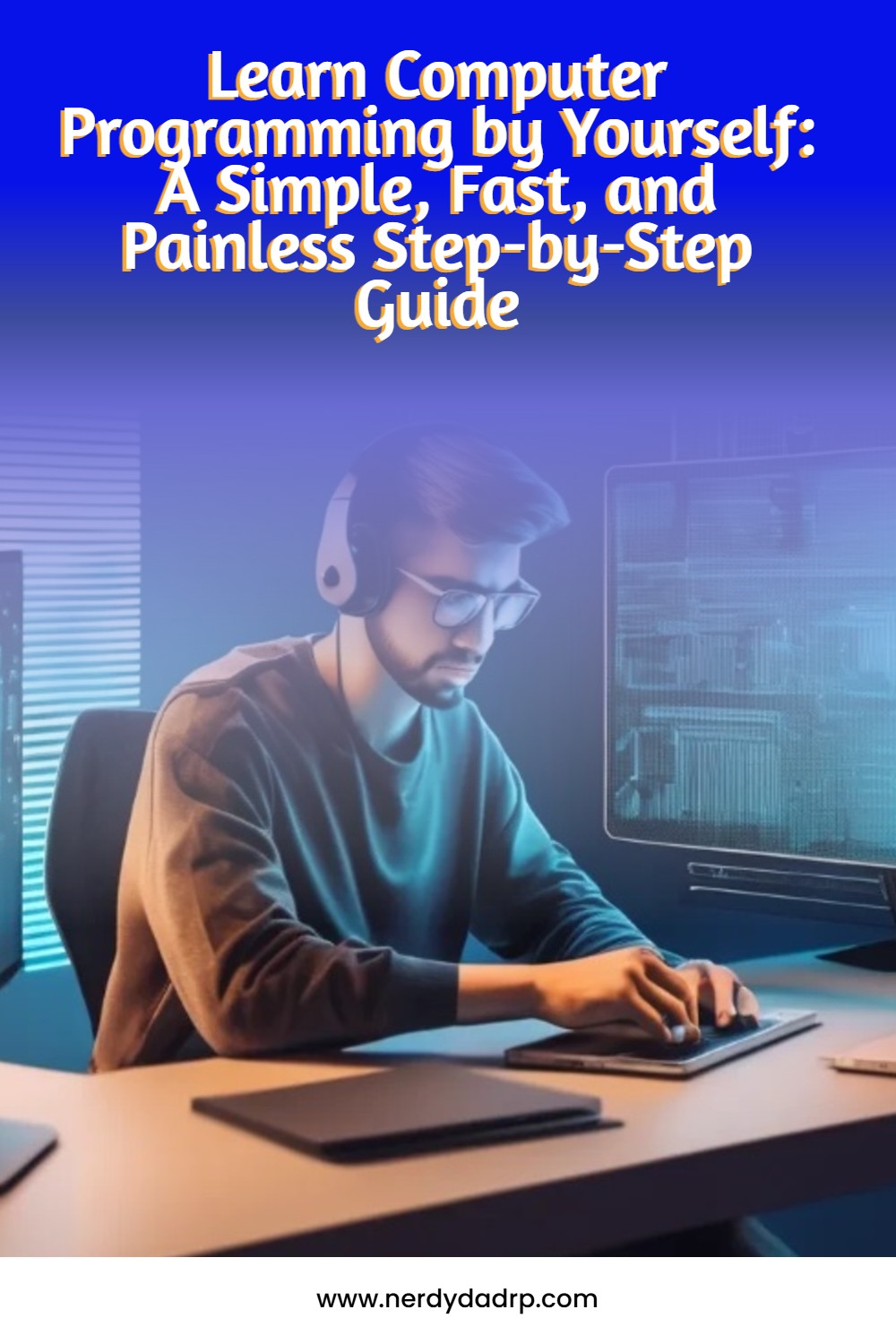
So, You Want to Learn Computer Programming by Yourself? Let’s Make It Easy!
Thinking about diving into the world of programming but feeling overwhelmed? Don’t worry—you’re not alone! Learning to code on your own might seem like climbing Mount Everest in flip-flops, but I promise, it’s more like a fun road trip.
You just need the right map, a little patience, and some good tunes along the way. Let’s break it down into bite-sized steps, so you can start coding without breaking a sweat.
Step 1: Pick Your First Programming Language (It’s Like Choosing Your Superpower)
The first big decision is choosing which programming language to start with. Think of programming languages like different superpowers—each one gives you unique abilities! Here are some great beginner-friendly options:
Python – The Swiss Army knife of coding. Simple, readable, and used everywhere, from AI to web development.
JavaScript – The magic behind websites. If you want to make interactive web pages, this is your go-to.
Scratch – If you’re a total beginner and want a fun way to learn coding logic, this drag-and-drop language is perfect.
C# or Java – Great for game development and building apps.
Pick one that excites you—don’t overthink it! You can always learn others later.
Step 2: Find the Right Learning Resources (No Boring Textbooks, Please!)
Gone are the days when learning to code meant buying a giant, dull textbook. Today, you’ve got tons of fun and interactive ways to learn:
Interactive Websites: Codecademy, freeCodeCamp, and Khan Academy offer step-by-step coding lessons.
YouTube Tutorials: Channels like CS Dojo and Traversy Media make learning feel like hanging out with a friend.
Coding Apps: Try Mimo or SoloLearn to practice on the go.
Online Courses: Platforms like Udemy and Coursera have beginner-friendly programming courses.
Find what clicks for you—some people love videos, while others prefer hands-on challenges. Experiment and stick with what keeps you engaged!
Step 3: Start Small – Build Mini Projects (Like LEGO but for Code)
Jumping straight into coding theory is like trying to learn swimming by reading about it. You need to get your hands dirty! Start with small, fun projects to apply what you learn. Here are some beginner project ideas:
A simple calculator
A to-do list app
A basic website (HTML, CSS, and JavaScript)
A Rock-Paper-Scissors game
These small wins will boost your confidence and keep you motivated. Think of it like leveling up in a video game—each mini-project is another XP boost!
Step 4: Join Coding Communities (Because Learning Alone is Boring)
Learning in isolation can be tough. The good news? There are amazing online communities where you can ask questions, share projects, and get feedback:
Stack Overflow – A lifesaver for debugging errors (because trust me, you will have errors!)
Reddit (r/learnprogramming) – A supportive place to ask beginner-friendly questions
Discord & Slack Groups – Many coding communities have live chat spaces where you can connect with fellow learners
GitHub – A great place to collaborate and see how real-world coding projects work
Surrounding yourself with fellow coders makes the journey more fun and helps you stay motivated.
Step 5: Practice Daily (Even 15 Minutes Counts!)
Consistency is key. Learning to code is like learning an instrument—the more you practice, the better you get. Even if you can only dedicate 15-30 minutes a day, it adds up over time. Try coding challenges on platforms like:
LeetCode (for problem-solving skills)
HackerRank (for coding puzzles and challenges)
CodeWars (for gamified coding practice)
Treat coding like a habit, not a chore. Make it a part of your daily routine, and soon enough, you’ll see major progress.
Step 6: Break Stuff, Make Mistakes, and Debug Like a Detective
Let’s be real: you’re going to run into errors. Lots of them. But that’s good!
Debugging is where real learning happens. Think of it like solving a mystery—you’re the detective, and the error message is your first clue. Google will become your best friend, and you’ll learn to read error messages like a pro.
Mistakes are just stepping stones to mastery. So embrace them!
Step 7: Build Something Bigger – Your First Real Project
Once you’re comfortable with the basics, it’s time to create something cool. Maybe a personal website, a budgeting app, or even a simple game. This will solidify everything you’ve learned and give you something awesome to show off.
Plus, projects make great portfolio pieces if you ever want to land a job or freelance gigs!
Final Thoughts: You’ve Got This!
Learning computer programming by yourself might seem like a daunting task, but trust me, it’s totally doable. Start small, be consistent, join communities, and most importantly—have fun with it! Coding is like a superpower that lets you create anything from scratch. And once you get the hang of it, there’s no limit to what you can build.
So, are you ready to take the plunge? Grab your laptop, pick a language, and start your coding journey today!









Leave a Reply