Category: Baby & Toddler

Parenting a baby or toddler can be both rewarding and challenging. On one hand, it’s wonderful to see your child taking their first steps or uttering their first words. But on the other hand, you may also find yourself feeling exhausted from all the feeding, changing, and rocked-to-sleep sessions. If you’re a parent of a baby or toddler, here are a few tips to help you make it through the early years. First, remember to take breaks when you can. It’s okay to hand off your little one to a trusted family member or friend so you can have some time to yourself. Second, don’t be afraid to ask for help. Whether it’s another parent who can offer advice or a babysitter who can give you a night out, accepting assistance can make parenting a bit easier. Finally, cherish the small moments. From gummy smiles to belly laughs, these moments are fleeting and will soon be replaced by new milestones. If you can take a step back and appreciate the joys of parenting a young child, the more challenging moments will become manageable.

  • Toy Safety 101: A Parent’s Guide to Fun and Risk-Free Play

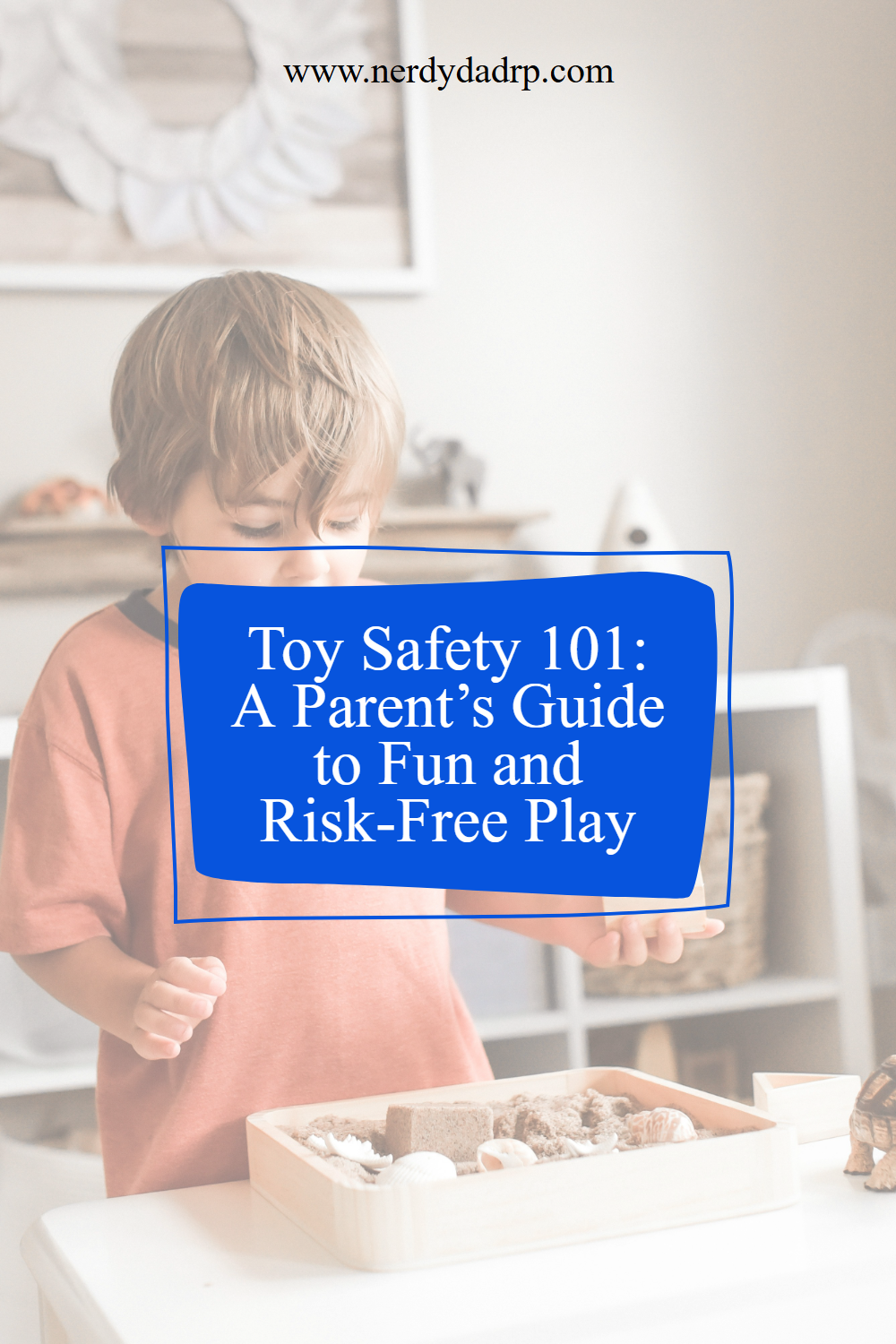
    Toy Safety 101: A Parent’s Guide to Fun and Risk-Free Play

    little boy playing with shells indoors and text that says Toy Safety 101: A Parent’s Guide to Fun and Risk-Free Play

    Toys are the heartbeat of childhood—sparking imagination, fueling learning, and keeping kids entertained for hours. But while they bring joy and adventure, they can also pose hidden dangers if not chosen and handled with care.

    As a parent, ensuring your child’s toys are safe is like being the captain of a ship navigating through stormy waters—you need to stay vigilant and prepared. This guide will help you steer clear of toy hazards, pick the safest options, and maintain a secure play space.

    Common Toy Hazards: Hidden Dangers in the Toybox

    Not all dangers are obvious at first glance. Some toys may look harmless but can quickly turn into risks if misused or broken. Here are a few hazards to watch out for:

    1. Choking Hazards: Tiny Troubles

    Small parts can be like sneaky little bandits, slipping into tiny mouths and causing serious trouble. Be cautious with marbles, tiny figurine accessories, and small building blocks, especially around children under three.

    A quick test? If a toy part can fit inside a toilet paper roll, it’s too small for little ones.

    2. Strangulation & Suffocation Risks: The Silent Threats

    Long cords, strings, or ribbons might seem harmless, but they can become strangulation hazards faster than you can say “tug-of-war.” Keep any cords on toys under 12 inches long.

    Also, don’t let plastic packaging stick around—it can turn into a suffocation danger for curious explorers.

    3. Sharp Edges & Points: Ouch!

    Broken toys or poorly made ones may have sharp edges lurking like tiny daggers. Regularly check toys for cracks, splinters, or jagged corners to prevent cuts and scrapes.

    4. Harmful Chemicals: The Invisible Danger

    Not all toys are made with kid-friendly materials. Some older toys or cheap, unregulated ones may contain lead, BPA, or other nasty chemicals.

    Stick with toys labeled as non-toxic and meet safety standards from trusted organizations like the Consumer Product Safety Commission (CPSC).

    5. Battery-Related Risks: Tiny But Mighty Dangerous

    Button batteries and lithium coin cells may be small, but if swallowed, they can cause severe internal injuries in record time. Always check that battery compartments are securely closed and out of reach.

    6. Electrical Hazards: When Toys and Water Don’t Mix

    Electric-powered toys can be fun but also dangerous if they meet water. Ensure all electric toys meet safety standards and are only used as intended.

    Choosing Safe Toys: Your Parental Shopping Checklist

    Buying safe toys doesn’t mean taking the fun out of the experience! Here’s how to make smart, safe choices:

    • Follow Age Recommendations: Toy labels aren’t just suggestions—they’re safety guidelines based on developmental stages.
    • Look for Safety Certifications: Check for labels from the CPSC or ASTM (American Society for Testing and Materials) to ensure toys meet safety standards.
    • Beware of Small Parts: If a toy comes with detachable small pieces, reconsider if it’s suitable for your child’s age.
    • Pick Non-Toxic Options: Always choose toys made from safe, BPA-free, lead-free, and non-toxic materials.
    • Go for Durable Construction: Sturdy, well-made toys last longer and are less likely to break into dangerous pieces.
    • Be Cautious with Magnets & Batteries: Avoid giving toys with powerful magnets or button batteries to younger children.

    Creating a Safe Play Space: Where Fun Meets Safety


    Infographic provided by Scott Marshall Injury Attorney, one of the top product liability lawyers in Florida

    Once you have safe toys, setting up a secure play environment is just as crucial. Here’s how to make your child’s playtime worry-free:

    • Inspect Toys Regularly: Look for signs of damage and retire any toy that’s seen better days.
    • Store Toys Smartly: Use bins without heavy lids to prevent little fingers from getting trapped.
    • Supervise Playtime: Keep an eye on younger kids to ensure they’re using toys properly.
    • Teach Safe Play Habits: Encourage gentle play (which I’ve found can be a task if you have boys) to prevent toy breakage and possible injuries.
    • Secure Battery Compartments: Double-check that battery covers are tightly secured and out of reach of tiny hands.

    What to Do in Case of Toy-Related Emergencies

    Even with all precautions, accidents can still happen. Knowing what to do can make all the difference.

    • Choking: If a child is choking, perform the Heimlich maneuver or back blows (for infants). Seek emergency help immediately.
    • Swallowed Hazardous Objects: If a child swallows a button battery, magnet, or toxic substance, get medical help right away. Do not induce vomiting unless advised by a doctor.
    • Cuts & Wounds: Clean minor cuts with soap and water, apply a bandage, and get medical help for deeper wounds.
    • Strangulation or Suffocation: If a child is struggling to breathe, remove the object immediately and call emergency services if needed.

    Final Thoughts: Play Safe, Stay Safe

    Keeping playtime safe is like being a superhero for your child—always on the lookout for hidden dangers while ensuring their world stays full of fun and adventure.

    By choosing the right toys, setting up a secure play area, and staying informed about safety risks, you can create an environment where laughter and imagination thrive without unnecessary risks. Stay alert, stay informed, and most importantly, let your child enjoy the magic of play—safely!

  • Helpful Tips for Establishing a Positive Dental Hygiene Routine for Your Child

    Helpful Tips for Establishing a Positive Dental Hygiene Routine for Your Child

    We all want our children to have healthy teeth and gums, but creating a proper dental hygiene regimen can be challenging. You can, however, help your child acquire strong dental hygiene practices that will set them up for a lifetime of healthy smiles with a little direction and persistence. 

    In this post, we’ll give you pointers on how to get your child into a good dental regimen. We’ve covered everything from the necessity of early dental care to creative methods to get your child to brush and floss.

    Why Early Dental Care Matters

    Early dental care is critical to your child’s oral health. It lays the groundwork for good dental hygiene practices and aids in preventing dental problems. It is advised that your child’s first dental visit be scheduled by their first birthday or within six months of the eruption of their first tooth.

    This appointment allows the dentist to monitor your child’s tooth growth and development and treat any issues as they arise. It also helps your youngster become acquainted with the dental office and develop a positive relationship with dental care. 

    If you want to start your child on the path to good dental health, contact dentists who are reliable and trustworthy.

    Choosing the Right Toothbrush and Toothpaste

    When selecting a toothbrush for your child, choose one with soft bristles and a tiny head that fits easily in their mouth. Look for toothbrushes made particularly for children, with entertaining characters or bright colors that will make brushing more pleasurable. 

    Choose fluoride toothpaste recommended by the American Dental Association (ADA). Fluoride is necessary for enamel strengthening and tooth decay prevention. Begin with a little smear of toothpaste for children under the age of three and a pea-sized quantity for children three and over.

    Creating a Fun and Engaging Dental Routine

    Making dental care a fun and engaging experience is key to establishing a positive dental routine for your child. Here are some tips to make brushing and flossing enjoyable:

    Set a Good Example

    Children frequently replicate their parents’ behavior, so show them you practice proper dental hygiene. Brush and floss your teeth as a family to create a bonding experience.

    Make it a Game

    Make brushing and flossing a game. Set a timer or play their favorite music to ensure that kids brush for the entire two minutes. You may also make a sticker chart to reward them for being consistent with their dental care.

    Use Child-friendly Products

    For children, there are several dental care devices available, such as toothbrushes with timers, musical toothbrushes, and flavored floss. Allow your child to select their own toothbrush and toothpaste to get them interested and enthused about using them.

    Tell Stories or Sing Songs

    Make up tales about brushing and flossing or sing catchy songs about it. This will pique your child’s interest and make the routine more pleasurable. There are also some children’s books about dental hygiene that you may read together.

    Visiting the Dentist Regularly

    Regular dental check-ups are critical for your child’s oral health. Dentists can detect early symptoms of dental decay, monitor tooth development, and do expert cleanings. Dental appointments should be scheduled every six months or as your child’s dentist recommends. 

    These visits assist in highlighting the significance of dental care and allow the dentist to address any concerns or provide extra information.

    Dealing with Dental Anxiety

    Some children may experience dental anxiety or fear of visiting the dentist. To alleviate their anxiety, consider the following strategies:

    Communication

    Explaining the dentist appointment pleasantly and age-appropriately is one helpful method. Take the time to answer your child’s inquiries honestly, using soothing language and avoiding scary or unpleasant remarks.

    Role Play

    Role-playing at home might be a beneficial approach. Pretend to be the dentist while your child pretends to be the patient. This engaging playing can help kids get more comfortable with dental procedures, minimizing their apprehension.

    Choose a Pediatric Dentist 

    Choosing a pediatric dentist may make a significant impact when dealing with dental anxiety. These dental specialists specialize in treating children and know how to provide a safe and pleasant environment for them. 

    Pediatric dentists attempt to make dental treatment more fun for children by providing child-friendly décor, toys, and entertainment options in the waiting room.

    Sedation Options 

    Dentists may give sedative solutions to assist your kid in relaxing during dental operations if they have significant dental anxiety. Sedation treatments can range from moderate to profound, with nitrous oxide (laughing gas) being the mildest. Discuss these choices with your child’s dentist to find the best solution for your child’s requirements.

    Takeaway

    Establishing a healthy dental regimen is critical for your child’s oral health. You can prepare your child for a lifetime of good smiles by starting early, using the correct dental products, making it fun, and seeing the dentist regularly. Remember to set a good example, to be consistent, and to address any dental anxieties your child may have. 

    By instilling outstanding dental practices in your children from a young age, you are providing your child with the gift of a bright and healthy smile for years to come. 

  • How To Take Care Of Your Baby When It’s Cold

    How To Take Care Of Your Baby When It’s Cold

    Babies need plenty of fresh air, and taking them outside once a day for a short walk is a great idea. However, if you have a newborn (or even a slightly older baby), taking them outside when the weather is cold isn’t always going to sit well with you – parents are often worried their baby will get sick if they get too cold. 

    The truth is that a baby will get sick if they get too cold, but they’ll also get sick if they don’t get to go outside and breathe in the fresh air, and that means you’ll need to find various ways to take care of you baby when it’s cold. The good news is that there are lots of ways you can do this, so your baby will benefit, and you won’t have to worry. Read on to find out more. 

    Dress Your Baby In Layers

    Just like when you’re an adult, wearing layers is a fantastic way to ensure your baby stays nice and toasty even if they’re out and about in cold weather. Layers are great because they’re so versatile, so if things start to get warmer, you can remove a layer or two, and if it gets colder, you can always add more (although do be careful – babies can’t regulate their own temperature, so you’ll need to keep checking to see how hot they are as you don’t want them to overheat due to too many clothes. Something else that’s great about layers is that they allow pockets of warm air to get caught between them, heating things up even more. 

    An example of how to dress a baby in layers could be to start with a bodysuit or leggings (something snug) and then put some pants, socks, and a long-sleeved top over them. Finally, add a hat, mittens, a jacket, and some booties. It’s best to use breathable materials like cotton to ensure a good level of comfort, too. 

    Wear Your Baby

    Wearing your baby is something you’ll probably be more than happy to do – it’s a wonderful way to bond with your little one, and since it also helps them to stay warm when you go outside in the cold weather, it’s an ideal excuse (not that you need one) to cuddle up. 

    Invest in a sling or similar piece of equipment so you can keep your arms free in case you need them (and to prevent yourself from getting too tired – even a little newborn will start to get heavy after a while), and think carefully about what you’re dressing them in – and what you’re wearing too.

    We mentioned layers above, and that’s still a good idea, but if the baby is in a carrier or sling and they’re getting the benefit of your body weight, the number of layers can be reduced. Plus, you’ll need to be careful that their airway isn’t obstructed, especially when you’re wearing a heavy winter coat; make sure their face isn’t pressed right up against you and the thick material of the jacket you’re wearing. 

    This means the baby’s face will be more exposed to the elements, so it’s wise to learn what to do if your baby has chapped lips, as that’s definitely something that can come about whether the weather is colder. 

    Keep The Indoor Temperature Right

    Although keeping your baby safe and warm when they’re outside is crucial, don’t forget that they could become quite uncomfortable even inside if the temperature in your home could do with some adjustments – remember, just because you want the temperature at a certain level that doesn’t mean it’s right for your baby, and since they’re the priority, you’ll need to do what best for them rather than yourself (but that’s parenthood in a nutshell, so it’s something you can start getting used to). 

    What’s best for your baby is to keep the indoor temperature at somewhere between 68F and 72F, and ideally at the cooler end of that range. The reason for keeping things cooler indoors is that the warmer it is, the dryer it will be, and that’s not good for your baby’s delicate skin – it can cause chapped lips, like we mentioned above, as well as general soreness, especially if they’re teething and there’s excess saliva on their chins, cheeks, and necks which can irritate when it dries out. 

    Final Thoughts

    There are lots of things to think about when you have a new baby to take care of, and many things that you might not have considered before suddenly become important. However, don’t be scared or worried; it’s just a matter of thinking things through before you act, and soon enough you’ll learn exactly what it is your baby needs. 

  • How to Prepare Mentally for the Arrival of Your Baby and Parenthood

    How to Prepare Mentally for the Arrival of Your Baby and Parenthood

    How to Prepare Mentally for the Arrival of Your Baby and Parenthood

    Becoming a parent is one of the most transformative experiences anyone can have. Along with the excitement, there’s a whirlwind of emotions – anxiety, anticipation, joy, and uncertainty, to name just a few. Preparing mentally for this big change is crucial, not only for yourself but for integrating your new addition into your life.

    Embracing The Emotional Rollercoaster of Parenthood

    Understanding The Spectrum Of Emotions of Becoming a New Parent

    The transition to parenthood is as emotional as it is physical. From the joy of seeing the first positive pregnancy test to the nerve-wracking anticipation of labor, your emotions will run wild. Hormonal changes during pregnancy and postpartum can also magnify feelings.

    The trick is not to suppress them but to acknowledge and process them. Speak about your fears, share your joys, and allow yourself to feel without judgment.

    Finding Parental Support Systems

    Prenatal Classes

    These classes aren’t just about the technicalities of birthing. They are spaces of shared anticipation where you meet others on the same journey.

    Building Bonds: The connections you make in prenatal classes can often turn into lasting friendships as you bond over shared experiences and the anticipation of parenthood.

    Expert Guidance: Apart from fellow expectant parents, you also get access to professionals who can answer your questions, quell your fears, and offer practical advice, making the unknown territory of childbirth slightly more familiar.

    Join Parenting Groups

    Both online and offline groups offer a plethora of shared experiences and wisdom.

    Diverse Perspectives: Every parent has a unique journey, and hearing different perspectives can broaden your understanding and offer new solutions to common challenges.

    Immediate Assistance: Got a question at 2 a.m. about a baby issue? Chances are, there’s another parent online at the same time who’s been through it or is experiencing it now.

    Lean On Family And Friends

    The age-old adage, “It takes a village,” still holds.

    Practical Help: From babysitting shifts to help with household chores, loved ones can offer tangible support that can be immensely helpful.

    Emotional Anchor: Sharing your feelings, fears, and joys with someone you trust can be therapeutic. They offer a sense of continuity in your rapidly changing world and can act as an emotional anchor.

    Taking Time For Self-reflection

    Visualizing Parenthood

    Taking the time to dream about your upcoming role can make the abstract idea of “becoming a parent” more concrete.

    Goal Setting: What are your aspirations as a parent? How do you hope to handle challenges? Visualization can guide your actions once the baby arrives.

    Connecting with Your Inner Self: As you visualize, you also connect deeply with your desires, fears, and expectations, offering clarity.

    Creating A Vision Board

    This tangible representation of your dreams can be both fun and enlightening.

    Creativity Unleashed: Gathering materials, images, and quotes for your vision board can be a creative outlet. It allows you to express your feelings and hopes in a visual format.

    A Constant Reminder: Placing the vision board in a visible spot acts as a daily reminder of your aspirations and the joy that awaits you.

    Journaling

    The act of writing can be profoundly therapeutic and grounding.

    Processing Emotions: Journaling helps in articulating and processing the myriad emotions that accompany the anticipation of parenthood. It offers a safe space to express fears, uncertainties, joys, and hopes.

    Memory Keeping: Over time, these journals become treasured keepsakes. They capture the raw, unfiltered journey of your transition to parenthood, which can be heartwarming to revisit later.

    Allowing Space For Your Partner

    If you have a partner in this journey, remember they’re undergoing their emotional transformation. Open communication channels give them space to express themselves and lean on each other.

    Engaging in couples’ activities like prenatal classes or simply taking evening walks together can further strengthen the bond.

    Setting Realistic Expectations of being a new parent

    The Myth Of Being Perfect Parents

    Comparisons Are Deceptive

    In the age of Instagram-perfect images and flawless parenting blogs, it’s easy to feel like you’re not measuring up.

    Behind The Scenes: Remember that every perfect shot often has numerous outtakes. What you see is a curated reality, not the entirety of someone’s experience. They are only showing you the good parts.

    Embracing Authenticity

    Instead of aiming to match someone else’s highlight reel, focus on the genuine, raw, and beautiful moments in your parenting journey.

    Embrace Authenticity: Living true to yourself and your child is more rewarding than trying to fit a mold.

    Real Bonds: Genuine emotions often lead to stronger bonds with your child, even if they involve tears or frustration.

    Mental Peace: Accepting the imperfections in your journey can provide a sense of calm and relieve the pressures of trying to be the “perfect parent.”

    Seek Real Stories

    Real stories, not edited ones, provide the most comfort and perspective.

    Shared Experiences: Talking to other parents about their challenges, joys, and mistakes can offer solace, as you know you’re not alone in your experiences.

    Grounding Perspective: Authentic stories ground your expectations, making you better prepared for the beautiful mess that parenting often is.

    Anticipating Changes In Relationships because of your new parental role

    Connect with Your Partner

    With a new baby, your relationship with your partner can go through many transitions.

    Quality Over Quantity: Time becomes a luxury with a newborn. Prioritise quality interactions, even if they are brief. A shared glance, a quick hug, or a short conversation can keep the bond strong.

    Open Dialogues: Regularly check in with each other’s feelings and concerns. Mutual understanding can mitigate feelings of neglect or being overwhelmed.

    Communicate With Friends And Extended Family

    Your social dynamics will inevitably shift, but that doesn’t mean losing connections.

    Setting Boundaries: Be clear about your new priorities and limitations, ensuring friends and family respect and support your choices.

    Stay Connected: While lengthy meet-ups might be rare, a quick message, a photo share, or a brief call can keep the bond alive.

    Adapting To A New Routine With A Baby

    Expect The Unexpected

    Newborns are bundles of unpredictability, which means flexibility becomes your best ally.

    Trial and Error: What works for one baby might not work for another. Be prepared to experiment with different routines until you find what suits your child. You’ll inevitably determine which newborn sleep schedules and patterns work best for your baby.

    Evolving Patterns: As your baby grows, their sleep patterns, feeding times, and play routines will change. Stay adaptable and receptive to these shifts.

    Seek Help When Needed

    There’s no shame in asking for assistance; it doesn’t make you any less of a parent.

    Pooling Resources: Maybe you have a friend with a child the same age. Consider play dates or shared babysitting days.

    Professional Assistance: If you’re feeling overwhelmed, consider seeking help from lactation consultants, sleep trainers, or parent coaches.

    Celebrate Small Victories

    In the grand scheme, they might seem trivial, but these moments matter.

    Positive Reinforcement: Patting yourself on the back for small achievements boosts morale and motivation.

    Documenting Progress: Taking note of these victories, however minor, can be encouraging. On tougher days, they act as a reminder of how far you’ve come.

    Embrace A Growth Mindset when parenting a new baby

    Learning On The Job

    Being Open To Feedback

    In the journey of parenthood, everyone, from your grandmother to your neighbor, might have advice to offer. While it’s crucial to trust your instincts, there’s value in listening.

    Filtering Information: Not all advice will apply to your situation. However, by listening, you can gather varied perspectives and then choose what aligns with your beliefs and needs.

    Appreciating Experience: Many seasoned parents or caregivers share insights based on their personal experiences. Their hindsight can sometimes be your foresight.

    Accepting Mistakes

    Nobody gets parenting right all the time, and that’s okay. It’s a process of constant learning.

    Building Resilience: Every mistake is a lesson. By acknowledging errors and seeking solutions, you’re not only rectifying situations but also building resilience.

    Modelling Behaviour: As your child grows, they’ll make mistakes, too. By handling your own with grace, you’re setting a positive example of how to cope and learn.

    Document Your Journey

    There’s so much to learn from the past, and documenting helps you remember.

    Reflection: Looking back at previous experiences can offer insights into patterns, growth, and areas of improvement.

    Cherishing Memories: Beyond the learning aspect, documentation, whether through photos, journals, or videos, becomes a cherished archive of fleeting moments. If you want free video editors, check out Adobe Express tools.

    Embrace Flexible Parenting

    Stay Informed

    While your baby doesn’t come with a manual, there’s plenty of information out there to guide you.

    Continuous Learning: Child development research is ongoing. By staying updated, you can benefit from the latest findings and recommendations.

    Balancing Information with Intuition: While being informed is great, always pair knowledge with your intuition. Every child is unique, and sometimes, a parent’s gut feeling is the best guide.

    Re-evaluate Often

    As your baby grows and evolves, so too will their needs.

    Being Proactive: By periodically assessing routines and strategies, you can anticipate changes and make adjustments before minor issues become significant challenges.

    Open-mindedness: Keeping an open mind allows you to adapt more seamlessly, making transitions smoother for both you and your baby.

    Final Thoughts

    The arrival of a baby is a monumental event. While it’s easy to get lost in the tangible preparations – like setting up the nursery or buying baby clothes – the mental and emotional preparations are equally vital.

    Remember, every parent has their own unique journey. Celebrate yours, bumps and all.

    What surprised you most about parenthood?

  • Should My Baby Only Wear Organic Cotton?

    Should My Baby Only Wear Organic Cotton?

    Our newly expanded family has been showered with gifts galore, from the most practical to the most adorable! Every little thing, down to each tiny pair of socks, has brought us joy!

    Some of my favorite items for the baby happen to be labeled as “organic cotton,” or come from a company supporting the “sustainable fashion” movement.

    Besides the fact that these products feel and look absolutely luxurious, I had to learn more about what it actually means for my baby’s clothing to be organic and how that compares to the other items that do not list where their material comes from.

    Does choosing organic cotton make a difference, or is this a clever sales gimmick?

    After reading several articles and watching some heart-wrenching videos on what makes organic cotton ethical and sustainable, my eyes were opened to all the dangerous agricultural practices

    I was heartbroken to learn that the life expectancy of the average non-organic cotton farmer in India is only 35, and the poisons these workers spray, touch, and inhale are contributing to 20,000 death yearly!

    I couldn’t help but think of all the things my baby would be exploring with his mouth! It is frightening to think that any residual carcinogens from insecticides or chemical processing would remain on the material that children would make contact with. 

    With just a minimal amount of research, it is easy to understand why organic products spanning from foods to fashion appeal to someone desiring to live a healthy lifestyle.

    I now have cause to re-examine my own values

    When I think about who I am, do I see myself as someone who seeks out organic, fair-trade, ethical products? Maybe I ought to, more often.

    I definitely am sick over the idea of cotton workers being pawns in a money-making scheme and the land and air being soaked in toxins.

    Perhaps my values aren’t aligning with my spending habits because while I try to be fair, ethical, and careful about how my actions affect others in my interactions with others, the priority of my purchases has been getting a “bang for my buck” above all.
    (Ok, I’ll just confess: I’m a cheapskate!)

    Why do I suddenly feel ashamed that all my son’s items aren’t made from 100% pure, organic cotton? The uncertainty of whether or not the manufacturers of every hooded towel and blankie we’ve been given pay their employees living wages weighs on my conscience. 

    Could I really find out if the farmers who grew and harvested the cotton used to make the bundle of spit-up cloths from my baby shower are protected from dangerous insecticides? Are the dyes in our swaddles harboring harmful chemicals?

    Am I not providing the best of the best for my child? Essentially:  am I already failing as a parent?

    If your inner dialog has been as troubled as mine has, here is a thought that may ground you:

    Take a deep breath. Our jobs as parents are to love, cherish, protect, feed, and provide for our children.

    If your baby has just spit up, it’s your job to wipe it up lovingly

    Whether it gets wiped with a tissue, a worn-out washcloth, the corner of your t-shirt, or a 100% organic cotton cloth…the important thing, at the moment, is that the spit-up gets wiped- so life can move forward.

    We can appreciate that there are companies that make it their business to ensure that their associates are being treated with dignity and fairness. But our business as parents is to do the wiping right away.

    In that sense, KeaBabies, Burt’s Bees, or Honest, as examples, help you to take care of your child’s immediate needs by creating reliable items while taking it upon themselves to maintain highly responsible standards in your stead. 

    Should I be tossing anything that isn’t meeting certified standards of fairness?

    Some purists out there might insist that I ought to, but wouldn’t that be wasteful? These items are already in my possession, so I will use them.

    Why? Because there are still some measures, I can take to make them as safe as possible while still staying sane. How so?

    Wash every item in a safe, baby-friendly detergent and wash your worries away. 

    That’s every item, no exceptions.

    Your detergent doesn’t necessarily have to be made for babies specifically, but nearly every big-brand company makes a sensitive skin, dye-free, or fragrance-free version of their product. Its also recommended skipping fabric softeners altogether, just to be on the safe side.

    That way, even if your baby’s clothes aren’t guaranteed 100% organic cotton, or if they are treated with sus dyes or chemicals like formaldehyde (yes, that’s a thing), the wash cycle will take care of that for you. 

    One step at a time

    Ideally, if you wish, you can make ethical, eco-friendly purchasing choices little by little or as your resources allow. Maybe one day, you can be an ecologically ethical purist like some champions are. 

    You can also request that your loved ones eager to pamper you and your new baby consider patronizing certain brands or look into companies that maintain ethical and sustainable standards when making their selections. If it is important to you, many people will respect your wishes. 

    But, in the meantime, cut yourself a break from idealism. Being a new parent requires a lot of attention to what is right in front of you, for now. 

    So wipe-on! Wipe with whatever you have, and be thankful you have the opportunity.

  • Why Fathers Should Be Granted Paternity Leave

    Why Fathers Should Be Granted Paternity Leave

    Fathers should be granted paternity leave as well to bond with their children and have a more fulfilling family life. Studies show that children benefit from having a father who is actively involved in their lives.

    [click_to_tweet tweet=”Learn about the benefits of paternity leave for fathers and their families! #PaidLeave #PaternityLeave” quote=”Learn about the benefits of paternity leave for fathers and their families! “]

    Increase Father Involvement

    We all know the importance of maternity leave for a new mother. However, some fathers might feel they have to choose between their careers and being present in their child’s life. For this reason, paternity leave is just as important as maternity leave to promote parent-child bonding.

    The best way to lessen the stress on working families is by granting fathers time off with their children and family. It’s highly beneficial for everyone involved!

    Improve Outcomes for Children

    Studies have shown that having a father in the labor room makes labor and delivery more successful. The presence of a father during birth positively affects a baby’s brain development. The presence of a father encourages breastfeeding and is related to better sleep and increased happiness.

    Children who grow up with involved fathers are more likely to have healthier relationships and higher self-esteem. Father involvement also helps increase academic performance in children as well as fewer behavioral problems.

    Children who grow up in a single-parent home are more likely to experience emotional and behavioral health problems. In addition, they have a higher risk of developing a mental illness and a lower socioeconomic status. A child needs both parents to be present to develop healthy habits for life.

    Gender Equality at Home and Work

    Work-life balance is a phrase that often applies to women and the demands of their job, but it should also apply to men and the demands of their careers. Allowing paternity leave time not only benefits children and families but also gender equality at home and work.

    A world where we live together as equals should mean we do what we can to promote parity at all levels for those closest to us. Paternity leave encourages more men to help more around the house as well as a chance for women to earn more in the workplace.

    Though mothers are essential to the rearing of children and need to have a good understanding of the physical and mental responsibilities of taking care of a newborn, it’s important that they take a break from their duties. Research shows that working mothers tend to get paid less because companies favor hiring men over women. So, if fathers took paternity leave, women wouldn’t get less pay or have to be penalized.

    Paternity Leave Increases Children’s Chances of Not Being Abused

    Moms who go back to work too soon can experience some serious mental health issues. Working moms who return to work before six months must take care of their own mental health and the mental health of their children.

    Moms who go back to work right after childbirth feel guilty and put pressure on themselves. Mothers who have to leave their children sometimes feel like failures.

    Women who can take an extended maternity leave face greater risks of postpartum depression and depression due to long-term stress.

    A good relationship with parents is vital for a child’s mental wellbeing. Research has found that when one of the parents in the home is absent, children are more likely to be abused.

    Final Thoughts

    The time has come for fathers to be granted paternity leave. If you’re a father and feel that your employer is not giving you the same opportunity as mothers, it’s time to speak up. You have rights too!

    Fathers need more than two weeks of paid leave to spend with their newborns. It would allow them to bond with their child from day one while also being there for mom in her recovery process.

    Do you have any arguments against paternity leave?