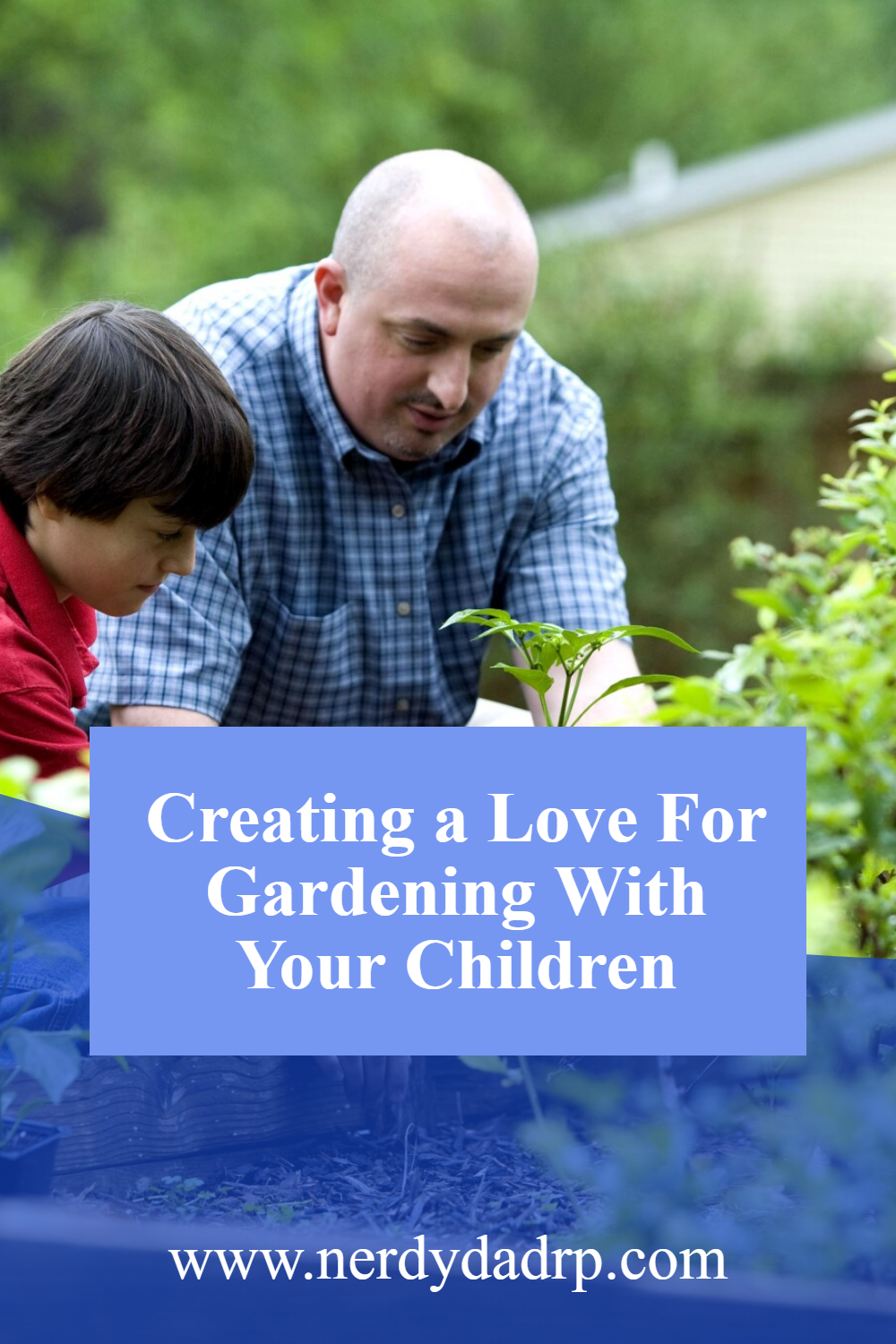
Introducing children to the wonders of gardening is a delightful journey that not only fosters a love for nature but also instills valuable life skills and a sense of responsibility. Creating a love for gardening with your children involves making the experience enjoyable, educational, and hands-on. Here are some tips to cultivate the joy of gardening in your little ones:
1) Start Small:
Begin with small and manageable gardening projects. Planting seeds or bulbs in containers or a small garden bed allows children to witness the entire growth process from seed to plant. Choose plants that are easy to grow and have relatively short growing seasons to maintain their interest.
2) Kid-Friendly Plants:
Opt for plants that capture children’s imagination and senses. Colorful flowers, fragrant herbs, and vegetables with interesting shapes engage their curiosity. Sunflowers, cherry tomatoes, and strawberries are popular choices due to their vibrant appearance and tasty rewards.
3) Create a Personalized Garden Space:
Designate a specific area in the garden for your child. Let them personalize it with their own choice of plants, decorations, or even handmade signs. Having a space of their own fosters a sense of ownership and pride in caring for their garden.
4) Teach Through Play:
Gardening offers a fantastic opportunity to integrate educational aspects in a fun and engaging way through playful activities. For example, when planting seeds, children can practice counting by measuring out how many seeds they are placing in the ground. This simple act not only reinforces their numeracy skills but also fosters a sense of responsibility for the plants they are helping to grow.
Additionally, exploring the concept of colors can become a delightful experience. By drawing attention to the variety of flowers—like vibrant reds, deep blues, and sunny yellows—children can learn about color recognition and even discuss patterns. This encourages creativity as they visualize how these colorful plants come together in their garden.
Moreover, discussing the essential elements for plant growth, such as sunlight and water, can be made interactive. For instance, educators can set up experiments to show how plants react to different light conditions or have children measure out water to understand how much each plant needs to thrive.
By turning the learning process into a game, it becomes not only enjoyable but also memorable, ensuring that the educational experiences rooted in gardening leave a lasting impact. Children are more likely to develop a love for nature and an understanding of basic biological concepts, paving the way for lifelong learning.
5) Explore Garden Themes:
Choose a theme for your garden that aligns with your child’s interests. Whether it’s a fairy garden, a dinosaur-themed garden, or a pizza garden with herbs and veggies for homemade pizzas, a themed approach adds an extra layer of excitement and creativity.
6) Hands-on Activities:
Involve children in hands-on activities like digging, planting, and watering. Allow them to experience the different textures of soil, seeds, and plants. These sensory-rich activities stimulate their senses and create a deeper connection with nature.
7) Create Garden Art:
Encourage creativity by incorporating art into the garden. Painted rocks, handmade garden markers, or colorful banners add a personal touch. These art projects not only enhance the garden’s aesthetics but also provide opportunities for self-expression.
8) Observation and Exploration:
Foster a sense of wonder by encouraging children to observe and explore the garden. Look for insects, observe plant changes, and discuss the different stages of growth. This cultivates an appreciation for the interconnectedness of living organisms in the garden ecosystem.
9) Planting for Wildlife:
Teach children about the role of plants in supporting wildlife. Choose plants that attract butterflies, bees, or birds. Building birdhouses or creating a small water feature can turn the garden into a welcoming habitat for various creatures.
In conclusion, in nurturing a love for gardening with your children, the emphasis is on making the experience enjoyable, educational, and memorable. By combining playful activities, hands-on learning, and creative exploration, you create a positive and lasting connection between your children and the natural world. Gardening becomes not just a hobby but a source of joy, learning, and cherished family moments.









Leave a Reply