Tag: gardening

  • Smart Home Garden Solutions for Easy and Fun Plant Care

    Smart Home Garden Solutions for Easy and Fun Plant Care

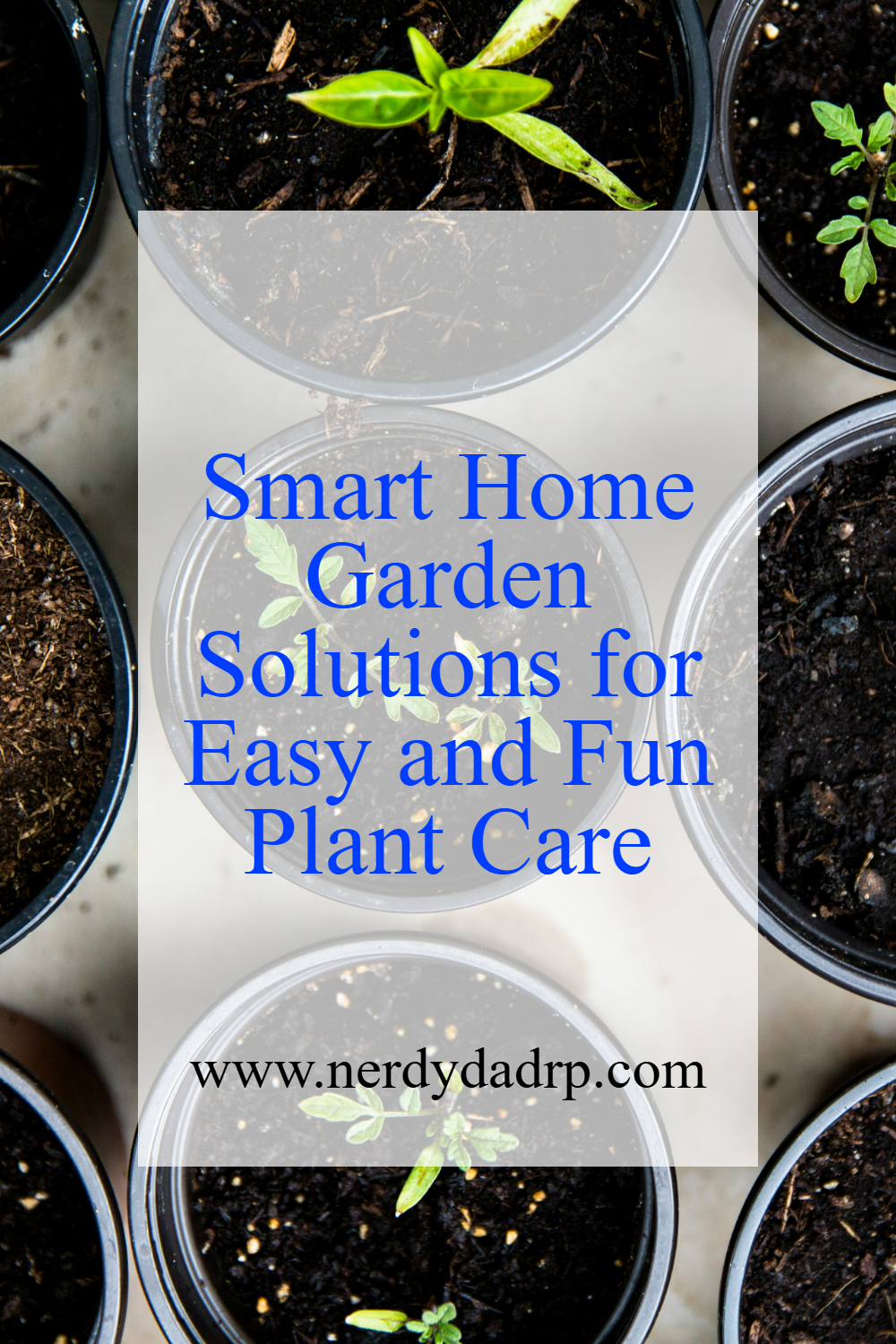
    group of plants starting to grow in little black pots with text that says Smart Home Garden Solutions for Easy and Fun Plant Care

    Gardening is a hobby that has grown roots in the hearts of many. Whether you have a sprawling backyard or a small balcony, there’s something magical about nurturing plants and watching them flourish.

    But what if you could add a little bit of tech to your garden? That’s where smart home garden solutions come in! Imagine being able to water your plants, track their health, and even adjust their lighting all from your smartphone. It’s like giving your garden a digital assistant that keeps everything in tip-top shape.

    What Are Smart Home Garden Solutions?

    Just as smartphones revolutionized how we live, smart home garden solutions are revolutionizing how we care for our plants. These innovative gadgets use technology to make gardening easier, more efficient, and even a bit more fun. From smart watering systems that never forget to hydrate your plants to automatic light adjustments that ensure your greens get the perfect amount of sunlight, these solutions are like having a personal gardener on call 24/7.

    Think of it as having a garden that is always alive and buzzing with energy, but without you needing to spend every minute tending to it. The beauty of these solutions lies in how they make your gardening life so much smoother—like a friend who remembers to water your plants when you forget, or a guardian angel who ensures everything is thriving while you relax.

    The Benefits of Smart Home Garden Solutions

    Just like a well-planned garden bed that grows with minimal effort, smart home garden solutions bring a host of benefits that cater to the busy gardener, the newbie, and the seasoned green thumb alike. Here’s why they’re such a game-changer:

    1. Convenience at Your Fingertips

    Imagine being able to control your garden with just a tap of your finger. Whether you’re watering your plants, adjusting the temperature, or checking the soil’s moisture levels, smart gardening tools let you do it all from your smartphone.

    No more lugging around watering cans or stressing over whether you’ve overwatered or underwatered. It’s as if you’ve handed over the reins to a helpful little assistant that’s there whenever you need it.

    2. Saves Time and Effort

    We all know that gardening can be time-consuming. With smart home garden solutions, you can save precious time by automating routine tasks like watering, lighting, and temperature control.

    These systems are programmed to take care of things while you focus on enjoying your garden instead of constantly maintaining it. It’s like having a personal garden butler who handles the hard work so you can enjoy the beauty.

    3. Better Plant Health

    Plants are picky, and they need the right conditions to thrive. Smart devices help you monitor everything from soil moisture to temperature and humidity, ensuring that your plants get exactly what they need.

    It’s like giving your plants a personalized care plan based on their unique preferences. With smart home garden solutions, your plants will thank you by growing stronger, greener, and more vibrant.

    Must-Have Smart Home Garden Solutions

    Now that you know the perks of these innovative solutions, let’s dive into some of the most popular smart home garden solutions that can transform your gardening game.

    1. Smart Watering Systems

    Watering your garden is an essential but repetitive task. The good news? With a smart watering system, you can automate this process to ensure your plants get just the right amount of hydration. These systems use sensors to monitor soil moisture and weather conditions, so they only water your plants when needed—no more wasting water or worrying about dry soil.

    It’s like having a weather-savvy friend who knows exactly when your plants need a drink and delivers it with precision. Some smart watering systems can even connect to weather forecasts, adjusting watering schedules based on predicted rainfall. Talk about smart!

    2. Smart Garden Sensors

    Garden sensors are the unsung heroes of smart gardening. These devices can measure soil moisture, temperature, light intensity, and even the pH level of your soil. By syncing with your smartphone, they give you real-time updates on your plant’s health. It’s like being able to peek into your garden’s soul and understand exactly what it needs to thrive.

    Think of it as a check-up for your plants. You wouldn’t want to miss out on vital health information about your plants, and with these sensors, you won’t have to!

    3. Smart Grow Lights

    Indoor gardening can be a bit tricky, especially when it comes to providing your plants with enough light. That’s where smart grow lights come in. These lights are designed to mimic natural sunlight, helping your plants grow strong even when they’re indoors. And just like a sunlight schedule, you can set them to turn on and off at specific times, providing your plants with the perfect lighting routine.

    It’s like having a mini sun in your home that’s always ready to shine just when your plants need it most.

    4. Smart Plant Care Apps

    If you’re anything like me and don’t exactly have a green thumb, there’s hope—thankfully, there are some amazing apps out there made just for us! These handy little tools can remind you when it’s time to water, fertilize, or even repot your plants. They’ll help you figure out what kind of plant you’re dealing with and give you tips on how to keep it happy and healthy. Honestly, it’s like carrying a tiny plant doctor around in your pocket—which I totally need, because left to my own devices… well, let’s just say my plants wouldn’t stand a chance.

    With these apps, your gardening knowledge will grow as quickly as your plants—because who doesn’t want to learn as they go?

    How to Choose the Right Smart Home Garden Solutions for You

    Just like picking the right plants for your garden, choosing the right smart home garden solutions depends on your needs, space, and gardening style. Here are a few tips to help you make the best decision:

    • Consider Your Garden Size: If you’re gardening in a small apartment, a compact smart watering system or a set of smart grow lights might be all you need. For larger gardens, a more robust system with sensors and automatic irrigation may be better suited for your space.
    • Think About What You Need: Do you want to focus on watering, lighting, or monitoring soil health? Some solutions specialize in one area, while others offer a more comprehensive approach.
    • Look for Compatibility: Many smart gardening devices can connect to other smart home systems like Alexa or Google Assistant. Check to make sure your devices will work seamlessly with your existing tech setup.

    Conclusion

    Gardening is a labor of love, but it doesn’t have to be a laborious task. Thanks to smart home garden solutions, you can bring a little bit of magic into your gardening routine. These gadgets take the guesswork out of plant care, making it easier to keep your plants happy and healthy.

    So, whether you’re a seasoned gardener or just starting out, these smart solutions are here to help you grow your green thumb in the most effortless way possible. It’s like having your own personal garden assistant, always at your service, ready to help you nurture your garden to perfection.

    Happy gardening!

  • Creating a Love For Gardening With Your Children

    Creating a Love For Gardening With Your Children

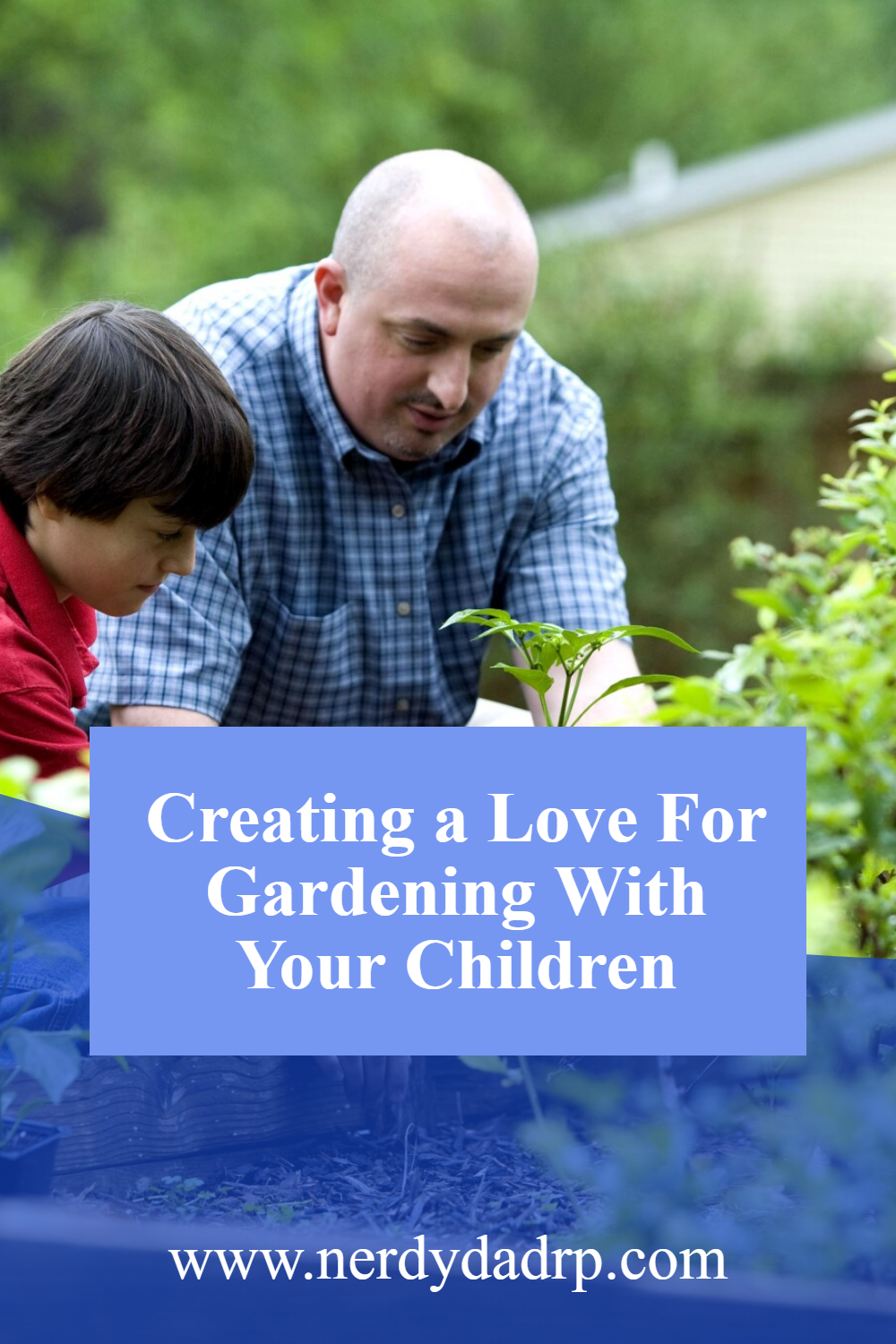
    Introducing children to the wonders of gardening is a delightful journey that not only fosters a love for nature but also instills valuable life skills and a sense of responsibility. Creating a love for gardening with your children involves making the experience enjoyable, educational, and hands-on. Here are some tips to cultivate the joy of gardening in your little ones:

    1) Start Small:

    Begin with small and manageable gardening projects. Planting seeds or bulbs in containers or a small garden bed allows children to witness the entire growth process from seed to plant. Choose plants that are easy to grow and have relatively short growing seasons to maintain their interest.

    2) Kid-Friendly Plants:

    Opt for plants that capture children’s imagination and senses. Colorful flowers, fragrant herbs, and vegetables with interesting shapes engage their curiosity. Sunflowers, cherry tomatoes, and strawberries are popular choices due to their vibrant appearance and tasty rewards.

    3) Create a Personalized Garden Space:

    Designate a specific area in the garden for your child. Let them personalize it with their own choice of plants, decorations, or even handmade signs. Having a space of their own fosters a sense of ownership and pride in caring for their garden.

    4) Teach Through Play:

    Gardening offers a fantastic opportunity to integrate educational aspects in a fun and engaging way through playful activities. For example, when planting seeds, children can practice counting by measuring out how many seeds they are placing in the ground. This simple act not only reinforces their numeracy skills but also fosters a sense of responsibility for the plants they are helping to grow.

    Additionally, exploring the concept of colors can become a delightful experience. By drawing attention to the variety of flowers—like vibrant reds, deep blues, and sunny yellows—children can learn about color recognition and even discuss patterns. This encourages creativity as they visualize how these colorful plants come together in their garden.

    Moreover, discussing the essential elements for plant growth, such as sunlight and water, can be made interactive. For instance, educators can set up experiments to show how plants react to different light conditions or have children measure out water to understand how much each plant needs to thrive.

    By turning the learning process into a game, it becomes not only enjoyable but also memorable, ensuring that the educational experiences rooted in gardening leave a lasting impact. Children are more likely to develop a love for nature and an understanding of basic biological concepts, paving the way for lifelong learning.

    5) Explore Garden Themes:

    Choose a theme for your garden that aligns with your child’s interests. Whether it’s a fairy garden, a dinosaur-themed garden, or a pizza garden with herbs and veggies for homemade pizzas, a themed approach adds an extra layer of excitement and creativity.

    6) Hands-on Activities:

    Involve children in hands-on activities like digging, planting, and watering. Allow them to experience the different textures of soil, seeds, and plants. These sensory-rich activities stimulate their senses and create a deeper connection with nature.

    7) Create Garden Art:

    Encourage creativity by incorporating art into the garden. Painted rocks, handmade garden markers, or colorful banners add a personal touch. These art projects not only enhance the garden’s aesthetics but also provide opportunities for self-expression.

    8) Observation and Exploration:

    Foster a sense of wonder by encouraging children to observe and explore the garden. Look for insects, observe plant changes, and discuss the different stages of growth. This cultivates an appreciation for the interconnectedness of living organisms in the garden ecosystem.

    9) Planting for Wildlife:

    Teach children about the role of plants in supporting wildlife. Choose plants that attract butterflies, bees, or birds. Building birdhouses or creating a small water feature can turn the garden into a welcoming habitat for various creatures.

    In conclusion, in nurturing a love for gardening with your children, the emphasis is on making the experience enjoyable, educational, and memorable. By combining playful activities, hands-on learning, and creative exploration, you create a positive and lasting connection between your children and the natural world. Gardening becomes not just a hobby but a source of joy, learning, and cherished family moments.