
Tag: moving

  • Moving with Your Family: The Ultimate Relocation Guide for a Stress-Free Transition

    Moving with Your Family: The Ultimate Relocation Guide for a Stress-Free Transition

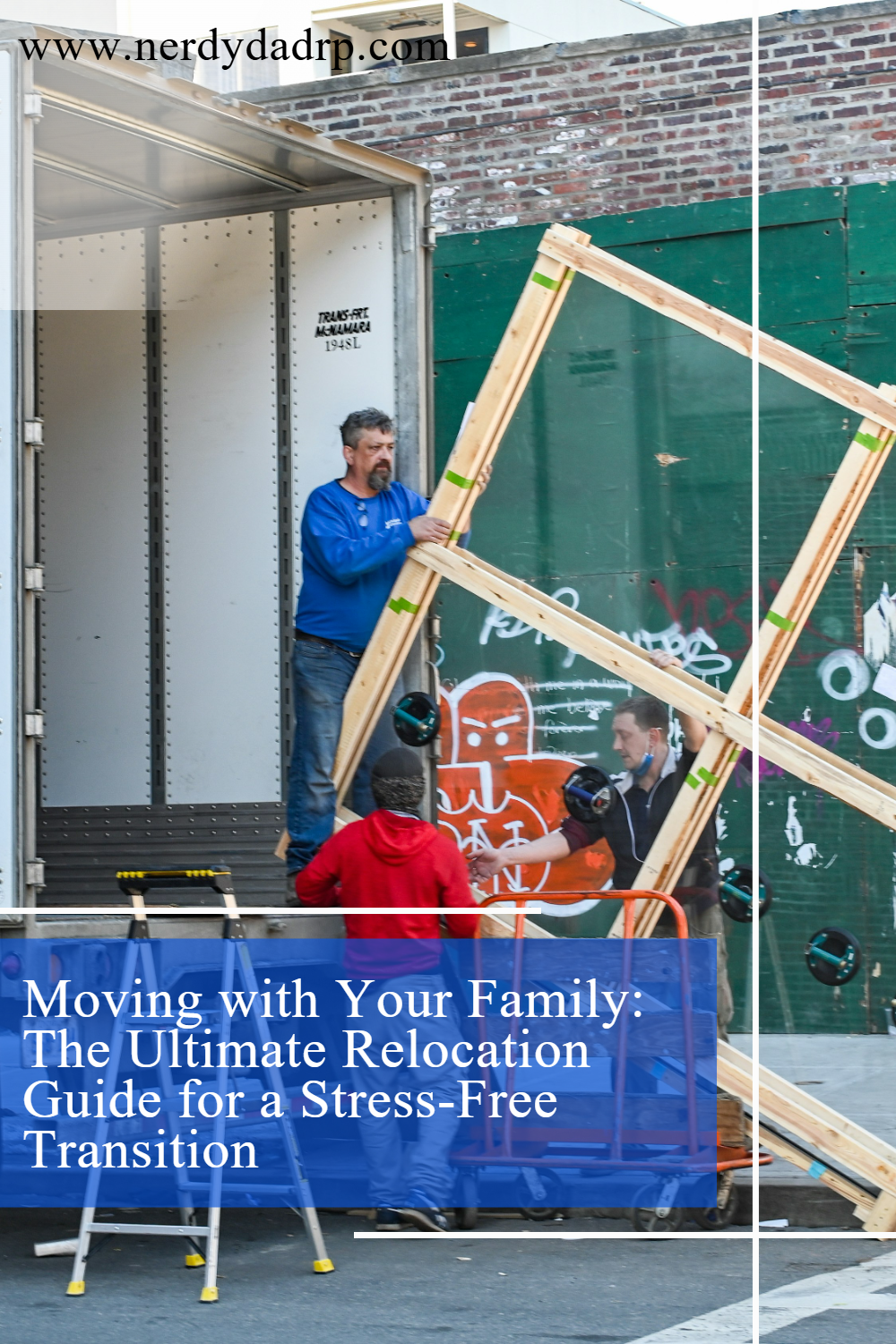
    men putting a large window in a moving truck with text that says Moving with Your Family: The Ultimate Relocation Guide for a Stress-Free Transition

    Moving with your family is like setting off on a grand adventure—exciting, a little nerve-wracking, and full of possibilities.

    Whether you’re relocating for a new job, better schools, or just a fresh start, careful planning and a sprinkle of optimism can turn what feels like a mountain of tasks into a manageable (and even enjoyable!) journey. This guide will walk you through every step, from preparation to settling into your new home, so your family’s transition is as smooth as possible.

    How to Plan and Prepare for a Family Move

    A successful move starts long before the first box is packed. Think of this stage as drawing the blueprint for your new life—every detail matters!

    Choosing the Best Location for Your Family

    Selecting the right place to call home is like picking the perfect puzzle piece to fit your family’s lifestyle. Research different areas based on cost of living, job opportunities, school ratings, healthcare facilities, safety, and overall vibe.

    If possible, take a trip to your prospective new home base to get a real feel for the neighborhood—stroll the streets, visit the local parks, and chat with potential neighbors.

    Smart Budgeting for Your Family Move

    Moving isn’t just about packing boxes—it’s a financial undertaking.

    Make a budget that includes moving services, travel expenses, security deposits, and any unexpected costs (because there will always be a few!). Having a financial plan in place will prevent last-minute stress and ensure your bank account doesn’t take an unnecessary hit.

    Finding the Perfect Home for Your Family

    Your home is your family’s anchor, so finding the right one is crucial. Consider proximity to work, schools, grocery stores, and hospitals.

    If renting, research the market and negotiate lease terms that suit your needs. If buying, work with a real estate agent who understands your priorities.

    Hiring the Best Moving Company for a Hassle-Free Relocation

    While moving yourself can seem like a money-saver, hiring professional movers is often worth the investment.

    A great moving company is like a well-oiled machine—they know how to transport your belongings safely and efficiently. Get multiple quotes, read reviews, and confirm their insurance coverage before signing any contracts.

    How to Prepare Your Family for a Move

    Relocating isn’t just about logistics; it’s an emotional shift, too. A smooth transition starts with clear communication and involvement from every family member.

    Talking to Your Kids About Moving

    The unknown can be scary—especially for kids.

    Have an open conversation with them about the move, addressing their concerns and highlighting the exciting parts, like a bigger backyard, new friends, or an awesome playground nearby.

    Making Moving Fun for Kids

    Kids love to feel included, so give them a role in the process.

    Let them help pack their own boxes, pick out decorations for their new room, or research fun places near their future home. Turning this into a team effort makes it less daunting for everyone.

    Saying Goodbye to Friends and Familiar Places

    Leaving behind familiar places and faces can be tough, so set aside time for proper goodbyes.

    Arrange playdates or farewell parties for the kids and encourage them to exchange contact info with friends. A few reassuring reminders that they can still stay in touch will help ease the transition.

    Essential Moving Day Tips for Families

    When moving day arrives, it’s all about strategy. Think of it as a game plan—you want efficiency, organization, and a good dose of patience.


    Infographic provided by Move Central, a top moving company in San Diego

    Smart Packing Tips for an Organized Move

    Labeling is your best friend! Clearly mark all boxes and keep an “essentials” bag handy with items like medications, important documents, chargers, and basic toiletries.

    Trust us—digging through a dozen boxes for your toothbrush at midnight is no fun.

    Keeping Important Documents Safe During a Move

    Passports, birth certificates, medical records, and financial paperwork should always travel with you, not on the moving truck. Losing these can cause unnecessary headaches down the road.

    How to Handle Moving Day Challenges

    No matter how well you plan, unexpected hiccups may arise—delays, misplaced items, or a sudden thunderstorm during loading. Stay patient and adaptable; problem-solving on the fly is part of the journey!

    How to Settle into Your New Home Quickly

    Now that you’ve arrived, it’s time to turn a house into a home.

    Unpacking and Organizing Your New Home

    Start with the essentials—kitchenware, bedding, and everyday clothing.

    Set up each room gradually, and don’t be afraid to decorate right away. Familiar family photos and cozy touches will make the space feel like yours in no time.

    Exploring Your New Neighborhood and Meeting Neighbors

    Take family walks, visit local shops, and introduce yourselves to the neighbors. Finding your go-to grocery store, favorite coffee shop and nearby playground will help you feel more connected to your new community.

    Enrolling Kids in School and Setting Up Utilities

    If you have school-age children, getting them enrolled quickly is a top priority. Also, ensure your utilities, internet, and healthcare providers are set up as soon as possible. The sooner everything is in place, the easier the transition.

    Helping Your Family Adjust After a Move

    Even after the boxes are unpacked, settling in takes time. Don’t stress if it is taking longer than you think it should. Just keep working at it. We moved over 6 months ago and still aren’t what I’d considered settled.

    Here’s how to ease into your new life:

    Maintaining Routines for a Smooth Transition

    Keeping familiar routines—whether it’s bedtime, mealtime, or weekend family movie night—can provide a comforting sense of normalcy for everyone.

    Helping Your Kids Make New Friends

    Help your kids make new friends by enrolling them in activities or sports. Attend local events, introduce yourself to neighbors, and explore community groups to build connections.

    Providing Emotional Support During a Move

    Change is hard, and it’s normal for family members to have mixed emotions. Be patient, check in with each other regularly, and celebrate the little wins—like finding the best pizza place in town!

    Conclusion: Enjoy the Journey of Moving with Your Family

    Moving with your family is a big transition, but with careful planning, open communication, and a positive mindset, it can be an exciting and rewarding experience.

    By tackling each step—from selecting the right location to helping your family adjust—you’ll turn this move into a fresh start full of new opportunities. So take a deep breath, embrace the adventure, and get ready to create new memories in your new home!

  • 3 Amazing Tips For Moving Homes With Pets

    3 Amazing Tips For Moving Homes With Pets

    Everyone knows what it’s like to move homes, especially after they first move out of their parents’ house. That doesn’t mean all home moves are the same, though. Circumstances can change, and these can often make the process feel more difficult.

    Moving homes with pets is one of the more notable of these. You wouldn’t just have to deal with the stresses of moving homes. You’ll have to do it while taking care of your pet. That often feels like it’s too difficult to manage. It isn’t.

    It’s just a matter of using a few tips to help with the process.

    Preparing Your Pet for a Move

    1. Get Professional Help

    You’ll have to juggle quite a few tasks when you’re moving homes with pets. You’ll still have to look after your pet while getting all the home moving tasks done, too. It’s easy to see why more than a few people stress out because of it. You could consider hiring a few professionals to help with this.

    There are various types to choose from, some of which offer comprehensive home-moving services. You can even find professionals that’ll transport your belongings from one place to another, with Allied Van Lines Canada being a great pick for this. Consider getting help to take the stress away.

    2. Keep Your Pets Safe

    Safety is necessary when you have a pet, no matter what you’re doing. You would’ve pet-proofed your home because of that, and you might’ve already done that with the home you’re moving into. That isn’t the only thing you’ll need to do during the process.

    When you’re packing things up and actually moving them to the new home, there are plenty of opportunities for your pet to hurt themselves accidentally. By keeping close to them and ensuring they’re behaving, you shouldn’t have anything to worry about. It’ll make sure they’re as safe as possible.

    3. Try Not To Change Your Pets Routines

    Pets, especially dogs, are creatures of habit. It’s why you would’ve developed a routine for them when you first got them. Interrupting this routine can often cause them a lot of stress and anxiety. This leads to them acting out, which nobody wants to happen.

    It’s worth spending some time avoiding that, but it doesn’t have to be difficult. It’s just a matter of sticking to their routine as much as possible. While you could naturally have to make a few changes during the move itself, try to keep these to a minimum. You’ll avoid a lot of extra stress and hassle because of it.

    Wrapping Up

    Moving homes with pets often feels like it’s overwhelmingly complicated, but it doesn’t need to be. There are more than a few ways you can make it easier. You’ll just need to put a little effort into them.

    With the right tips, it should all go a lot easier than you’d think. There’s no reason not to make it easier for yourself, so it’s worth trying each of the tips.

  • Prepare Your Home For A Worry-Free Move

    Prepare Your Home For A Worry-Free Move

    Are you thinking about moving homes? If so, then it’s worth noting that this is one of the most stressful experiences that you can go through in adult life. That’s why it’s important to make things as easy as possible. There are lots of ways to do this. 

    Hire The Right People

    First, you need to make sure that you are hiring the right people. It’s absolutely vital that you get the right team for the job. This is true whether you are hiring a real estate agency or perhaps even a moving company.

    All the pieces need to be in place. This means that you should always research the different companies on the market to find the right choice for you and your needs. For instance, certain moving companies specialize in providing services for long-distance moves. 

    Make The Repairs

    Next, you should also consider completing all the necessary repairs around your home. If you have owned your property for at least a few years, then it may have developed some issues.

    For instance, there could be a few slates missing from the roof. Or, you might find that there are problems with cracks and crevices in the outside walls. This could mean that there are problems with your home insulation, which will make it more difficult to keep your home at the right temperature in both summer as well as winter.

    Certain repairs you can DIY. For instance, you could have a problem with your toilet. If it’s clogged, then you probably just need to use a plunger. On the other hand, if there’s a more significant issue, you might need to invest in different toilet tank parts for your home. You could also require a pro to install them for you. 

    Take Great Photos

    You might also want to think about taking the best possible photos of your home. Your home photos will have a huge impact on whether you get views and interest in your property.

    For instance, the right photos can help guarantee that you draw attention to key elements of your home. It can also make your property look more impressive than it actually is.

    If you get the lighting and angles right, then you can ensure that rooms in your home look larger or brighter. This is particularly useful if you have a box room which is quite common with today’s builders. 

    Fix Up The Garden

    Your garden is one of the most important parts of your property. Particularly as more people are keen to embrace the alfresco lifestyle these days. To create the right impact, you need to make sure that you are thinking about the type of features that people want in their garden.

    One example of this would be a water feature. While you can purchase water features, you can also create a DIY feature that will always look incredible and create the right impact. Some fantastic videos can show you how to do this online.

    Make It Feel Like Home 

    Next, you should make sure that you take steps to make your house feel like a home to potential buyers. There are lots of little details that can have an impact here.

    For instance, you might want to think about baking some bread or even putting out some freshly cut flowers. Scents like this are sure to remind people of home. 

    Speak To The Neighbors 

    You could also think about speaking to your neighbors before you put your property on sale.

    Believe it or not, the neighbors will always have a huge impact on whether or not people decide to buy your home. They always want to be close to people who they get along with or who fit with their personal lifestyle choices. That’s why it’s important to get the neighbors on board before you sell. 

    Keep Costs Under Control 

    One thing you need to try and keep under control is the money that goes into moving houses. You will have already paid for the home you are moving into, which may have left you a bit short. However, there are easy ways to carry out a house move on a lower budget.

    You can do the move yourself, for instance, rather than hire movers. You could rally around friends and family members to help you for very little cost. Obviously, doing this yourself means you will only have to pay for petrol costs. 

    Make A Checklist 

    If you want your move to go as smoothly as possible, then it is always helpful to make a list and check it twice. Without a list, you might be running around like a crazy person trying to remember everything that you need to do. This includes who you need to book and what needs to be packed.

    There are an awful lot of things to remember concerning a house move. If you are an organized person and you thrive on knowing what is going on, then you will get through this incredibly stressful time with no hiccups. 

    Declutter

    Finally, if you want to ensure your home is clear and ready for a move, then there is nothing better than decluttering your home. If you spend some time decluttering before your big move then you won’t be taking so much stuff with you when you go.

    There is an easy way to declutter. You could head to each individual room and sort your items into four piles. These piles should consist of the things you want to keep, throw away, donate, and sell. 

    It is always a nice idea to donate the items you don’t want to those less fortunate than you. Selling some things that you no longer need will give you a nice little cash pot to use for the new house.

    We hope this helps you understand some of the key steps that you can take to ensure a worry-free, painless move that doesn’t end up making you want to tear your hair out before you’re finished. 

  • You Thought There Was No Such Thing As A Stress-Free House Move, But Were You Wrong?

    You Thought There Was No Such Thing As A Stress-Free House Move, But Were You Wrong?

    You’ve probably heard it said that moving home is one of the major stresses in life, alongside other notable events like getting married and having kids. After all, moving home is a major upheaval, and we’ll level with you, there are a lot of things about the moving process that people hate.

    But, like with anything, the more tense you feel about your moving journey, the more likely it is to drag you down. By comparison, a positive mental outlook and the right approach to your move in general could quickly show you that a stress-free house move isn’t as far out of your reach as you might have previously thought.

    Now, it’s important to be upfront here—your house move will inevitably have some, at least slightly stressful, elements. But the overall process can be a positive one, and we’re going to consider a few ways to make that possible. 

    Keep some savings in the bank for moving expenses

    House-moving stresses often start and end with money. There is simply no end to the additional expenses that you can face, including often unexpected extras like home surveys, inspections, and additional solicitor services. These extras will push you over the edge if you’re already running on empty.

    But, in the grand scheme of your house move, these extra costs are often negligible and more than worth your while. To calmly accept that, without your blood pressure rising, you simply need to make sure that you have at least a few grand set aside for these things beforehand. That way, these extra costs will never have the power to stress you out.

    Trust the professionals with your house move

    The more that you try to do alone during your house move, the more stressed you’ll end up overall. But there’s simply no need for you to shoulder the burden of a big move alone. Instead, there are plenty of professionals out there to make your life easier.

    Even with a long-distance move, trusting legal paperwork to an experienced solicitor and taking the time to seek the best long-distance mover means that you can pretty much sit back and let things happen. If you want to take that ease even further, some companies can pack and unpack your belongings for you, as well as cleaners who can blitz the whole house so that you don’t have to. 

    Eliminate last-minute rushes

    A stress-free house move should be a relaxed and gradual process, as you’ll find it impossible to stay calm if you’re moving against the clock. Admittedly, with many final moving dates not announced until a few weeks in advance, this can be easier said than done.

    But, as can be seen from this moving timeline, starting at least basic moving prep a month or two in advance means that you’ll always be ahead of the moving curve and a lot calmer as a result. 

    Final thoughts

    It’s time to forget everything you thought you knew about house moves. Moving homes can be a stressful experience, but if you plan ahead, give yourself plenty of time, and stay organized, the experience can actually be surprisingly stress-free.

    A little strategic thinking and preparation can go a long way in making your house move smooth and successful, and give you more time to anticipate the joys of making your new house a home.

    By at least minimizing moving stress in these ways, you should find it far easier to enjoy the process, get organized, and ultimately arrive at your new house smiling. So don’t be afraid of taking the plunge—you never know, you might just enjoy it!

  • Moving to London: Some Simple Advice

    Moving to London: Some Simple Advice

    Moving to London: Some Simple Advice

    Moving to a big, bustling global city like London can seem thrilling yet daunting. With its world-renowned sights, rich history, arts and culture, fashion, food and nightlife scenes, and plentiful career opportunities, it’s no wonder over 8 million people call London home.

    If you plan on joining the ranks of Londoners, read on for some key tips to make your move and transition to London life go as smoothly as possible.

    Finding a Place to Live in London

    One of the first steps when relocating to London is sorting out where you will live. With high demand and limited housing stock, finding a suitable place at an affordable price can be tricky. Here are some of the main options to consider for housing when moving to London:

    Renting

    The most common route is to rent rather than buy property. As a major metropolis, rental prices in London vary widely across the different boroughs, with central areas like Mayfair and Chelsea being the most expensive.

    Just like anywhere these days, housing is not cheap, no matter what option you choose. On average, across Greater London, expect to pay between £1,200 – £2,000 per month for a modest one-bedroom flat. Less central areas like Croydon and Ilford tend to be more affordable. Check major rental listing sites like Rightmove and Zoopla to search current listings and get a feel for prices.

    House sharing/flat sharing

    Sharing a property with other renters is very common for younger people or tenants on tighter budgets. Searching for a room in a shared house or apartment starts at around £700 per month, which shares the cost of rent.

    Useful sites to find house share listings include Spareroom, Gumtree, MoveFlat, and IdealFlatmate.

    Shared ownership

    Shared ownership can help first-time buyers in London and east London, in particular, to gradually get a foot on the property ladder. With this scheme, you purchase a share of a property, typically between 25% – 75%, and pay subsidized rent to a housing association on the remaining share that you don’t own.

    Shared ownership is one helpful option for those who don’t qualify for social housing but can’t afford to buy a home outright.

    Social housing

    Applying for council (local authority) or housing association homes is another potential avenue for more affordable long-term housing for Londoners on low incomes or benefits. However, be prepared for very long waiting lists, especially for family-sized homes. Patience and persistence is key.

    When viewing rental flats or rooms in person, take time to check out and get a feel for the neighborhood, local amenities like shops and restaurants, proximity to public transport, any noise issues, etc., to determine whether the location and property will suit your needs and lifestyle.

    Navigating Transport Options for Getting Around London

    London boasts a world-class transport system, though traveling during packed rush hours can be energy-sapping. Here’s a quick guide to the main transport options for getting around the UK’s sprawling capital:

    The London Underground (Tube)

    The Tube is the quickest and easiest mode of transport for moving between central London destinations and beyond. London’s underground metro system comprises 11 different colored lines that broadly service different areas.

    Key lines for central London include the Central, Victoria, Northern, Circle, District and Jubilee lines. Check the latest Tube map for help visualizing London’s underground network.

    Overground trains

    In addition to the Tube, suburban rail networks like the London Overground, Docklands Light Railway (DLR), and Thameslink provide wider metro coverage to outer London areas not serviced by underground lines.

    These are particularly handy for reaching destinations in residential boroughs like Shoreditch, Stratford, Greenwich, Richmond, and more.

    Buses

    London’s extensive red bus network helps fill gaps the Tube doesn’t reach, especially for shorter cross-city trips within central London.

    Buses run 24 hours a day, though they are less frequent in the early morning. Single bus journeys cost £1.65 or use an Oyster card for fare capping.

    Taxis (black cabs)

    London’s ubiquitous black cabs can be hailed on the street when the yellow light is on. These are most useful as a backup option when tube stations are closed or if you have lots of luggage. However, taking traditional taxis regularly can get pricey.

    Cycling

    Cycling has become more popular in London despite the often-hectic traffic. Seek out quieter designated cycle routes or backstreet roads, or join one of London’s public bike hire schemes like Santander Cycles for short rides between docking stations.

    Walking

    Central London is fairly compact and walkable, depending on where you need to go. Always have an umbrella handy! Useful apps like CityMapper can suggest walking times between destinations.

    Investing in an Oyster card is advised to take advantage of capped daily and weekly fares across London’s public transport network. Top up your Oyster card online or at stations. Contactless payment cards are also accepted.

    Finding Work and Advancing Your Career in London

    As a major global city and financial, media, technology, and cultural hub, London offers abundant employment opportunities in fields like finance, professional services, healthcare, retail, hospitality, and more. Here are some tips for job seekers relocating to London:

    • Polish up your CV to highlight relevant skills, achievements, and experience for your chosen roles. Adapt your CV for each application rather than sending a generic version everywhere.
    • Tap into your professional network, contacts, and connections already based in London who may be able to suggest insider job leads or make introductions. Attend industry events and conferences to expand your network.
    • Regularly browse major online job portals like Indeed, TotalJobs, Monster, and LinkedIn to search for current openings. You can also look for London-based jobs directly on company career web pages.
    • Seek help from specialist recruitment agencies and headhunters focusing on your particular sector or industry. Register with agencies for access to opportunities.
    • Be vigilant for job scams – avoid any employers asking you to hand over money for training, visas, or equipment before you start working. Research companies before accepting job offers.
    • Prepare thoroughly for interviews by researching the company, practicing your responses, and having questions ready to ask the interviewer. Reread the job description and think about how to sell yourself best.
    • Don’t just look at the well-known sites. Checking London’s local papers like The Evening Standard and community papers and websites can sometimes uncover more unique job listings. Gumtree is another option.
    • Once employed, take advantage of opportunities for training and development to boost your skills. Network internally and get to know key people in the organization to further your career.
    • In the meantime, if you are seeking employment opportunities and want to advance your career, especially in areas or sectors such as government, defense, or certain industries with sensitive information, it’s advisable to consult professionals like a security clearance attorney. Several sectors often require individuals to obtain clearances for certain roles in a bid to guarantee the protection of classified information and national security interests. For this reason, you may need the guidance of these professionals throughout the process, including application preparation, navigating potential issues that may arise during background checks, and addressing any legal complexities associated with clearance denial or revocation.

    Registering for Essential Services as a London Resident

    Once you’ve secured housing and employment, an important next step is getting registered for the key services you will need living and working in the city:

    Register at a GP surgery

    Having a local general practitioner (GP) is vital for accessing NHS healthcare services in London. Use the NHS website to search for GP practices accepting patients near your home or work and register with one.

    Sign up to an NHS dentist

    Likewise, being registered with an NHS dentist will allow you to get subsidized dental checkups and treatment. You may need to go on a waiting list. There are also private dentists if you want to pay out of pocket.

    Open a UK bank account

    You’ll need a UK current/checking account set up to manage paying rent, bills, salaries etc. Major banks like HSBC, Barclays, and Lloyds have branches throughout London. Compare account features and fees.

    Get a local mobile phone

    Purchasing a UK SIM card or signing up with a mobile provider will provide you with a London phone number. Leading carriers include EE, Vodafone, O2, Three, and Giffgaff.

    Sort your internet

    Arrange installation or signup for broadband, fiber, or 4G/5G home internet through one of London’s main providers like BT, Sky, Virgin Media, or TalkTalk. Compare speeds and prices.

    Purchase a TV license

    Watching or streaming live broadcast television legally requires paying the annual TV license fee, which is around £159 per year. Failing to purchase one risks a fine.

    Set up utilities

    Contact utility companies like British Gas, EDF Energy, or E.ON to set up gas, electricity, and water accounts for your home.

    These everyday services make adjusting to life in the capital easier.

    Enjoying All That London Has to Offer

    Once the essentials of housing, employment, transportation, and services are handled, it’s time to enjoy living in one of the world’s most iconic and diverse cities!

    Here are some ideas for making the most of London’s abundant leisure activities, arts and culture, food scene and nightlife:

    • Tour London’s numerous historic and cultural iconic landmarks like the Tower of London, Tower Bridge, Buckingham Palace, Big Ben and the Houses of Parliament, the London Eye, St Paul’s Cathedral and more. Multi-attraction passes like The London Pass offer discounted entry to sites.
    • Wander through charming historic neighborhoods like Westminster, Notting Hill, Covent Garden, Islington, Hampstead, and Greenwich and take in the atmosphere, architecture, cafes, shops, and people-watching.
    • See spectacular musicals, dramas, comedies, and more at West End theatre venues from huge stages like the National Theatre to smaller fringe theatres on the Strand or Shaftesbury Avenue. Queue early for discounted day tickets.
    • Sample the diversity of international cuisine from around the globe. Try Chinatown, Southall for Indian curries, Turkish food in Dalston, Vietnamese in Shoreditch, and much more.
    • Relax with picnics, boat rides, and open-air events in London’s many green spaces and parks on sunny days like Hyde Park, Regents Park, Hampstead Heath, and Richmond Park nearby.
    • Peruse the stalls at London’s colorful outdoor markets like Borough, Portobello Road, Old Spitalfields, Camden, and Brick Lane Markets for street food, vintage fashion, antiques/collectibles, and handmade crafts.
    • Take advantage of free museums and galleries like the British Museum, National Gallery, Tate Modern, Natural History Museum, Science Museum, V&A, and more.
    • Hit the shops on Oxford Street, Regent Street, and Westfield malls, or discover unique boutiques, bookstores, and galleries in areas like Soho, Marylebone, and Shoreditch.
    • Make the most of London’s pumping nightlife scene – theatre, concerts, clubs, comedy, pubs, and bars offer evenings out for all tastes (drink responsibly, of course!).

    Living in London, days out, entertainment, and leisure activities are abundant. Take advantage of all this world capital has to offer! The key is being open-minded, curious, and willing to try new experiences. Enjoy London’s countless opportunities.

    Have you ever been to London?